
From Commodity Categories to Global Brands: How Water Bottles, Tools, and Flashlights Are Breaking Through Overseas Markets
 By Han Xiao | Edited by He Yang
[Ebrun Original] In recent years, the global consumer market has been undergoing dramatic fragmentation. EY's 2025 Global Consumer Survey shows that 81% of consumers cite price sensitivity as an important factor in purchase decisions, yet 33% are still willing to pay higher prices for enhanced product value.
This means consumers are becoming more cautious, re-examining whether every expense is worthwhile; but at the same time, this is not simply consumption downgrading—it reflects a shift toward rational consumption, carefully weighing each product while remaining willing to pay a premium for products that genuinely deliver higher value.
For brands going global, the logic of competition is also changing: price and basic functionality alone can no longer establish long-term advantages. Companies need to deeply understand the preferences of different markets and consumer segments, identify unmet niche demands, and translate them into innovative products and services to build brand recognition.
But from market insight to product innovation to brand building, this path of advancement is not easy. Especially when facing unfamiliar markets, brands relying solely on their own experience often incur higher trial-and-error costs.
Power tool brand Fanttik successfully expanded from the US to the European market; drinkware company Bottle Bottle identified niche scenario opportunities and rapidly entered the top tier; WUBEN, which redefined its category, took a single outdoor flashlight to conquer global markets. Three brands with different backgrounds and distinct challenges all received support from the same professional partner at critical junctures of globalization—Amazon Seller Growth Services.
As a "companion" in brand globalization, Amazon Seller Growth Services provides professional guidance, data insights, and resource support to help businesses seize market opportunities, enhance operational capabilities, and empower Chinese brands' long-term development in global markets.
01
Understanding the Market: Finding the Right Entry Point for Global Expansion
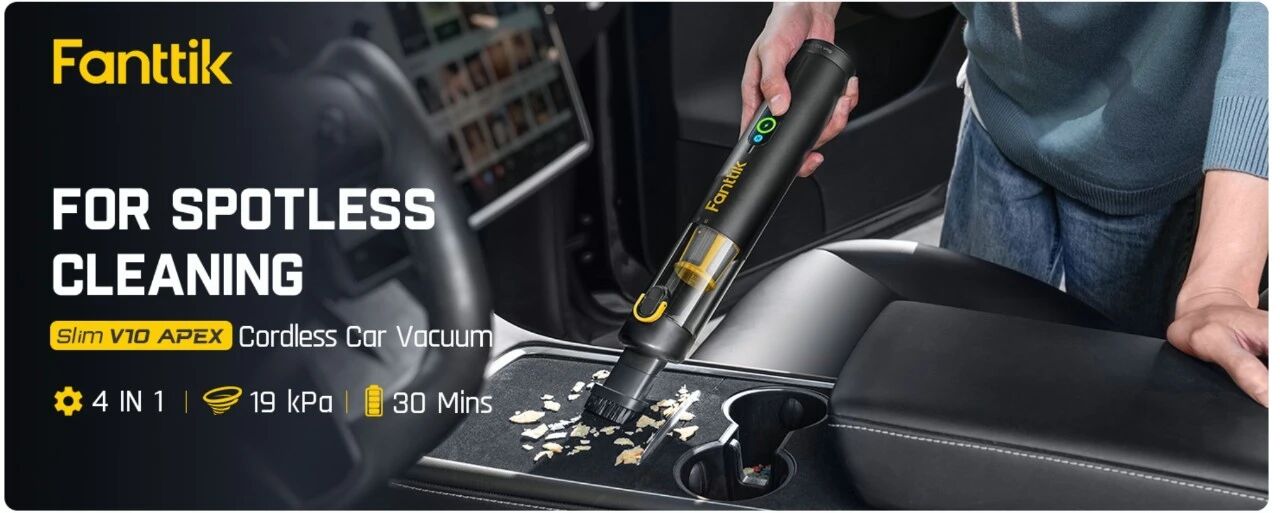
In 2020, Shenzhen-based brand Fanttik reshaped power tools with strong magnetic motors, fast charging, and brushless motor technology, quickly opening the North American market. When entering Europe in 2024, the team assumed they only needed to translate the North American version into several languages. Only after digging deeper did they realize that language differences were just the surface layer.
Fanttik had resources and strong product capabilities but lacked deep market insight. Europe is not a single market—consumer habits, category structures, and competitive landscapes differ across each marketplace. Fanttik didn't know where to allocate resources, and simply copying the North American playbook didn't work.
"Europe's difficulty lies in its 'fragmentation,' but opportunities are hidden within that fragmentation. When you're willing to break the large European market into specific countries and subcategories, you can see which demands are growing and which supply hasn't caught up." said Ashley, an official dedicated advisor at Amazon Seller Growth Services. So the Amazon Seller Growth Services team helped Fanttik break Europe into specific markets, building a market-by-market map based on consumer profiles, price bands, category structures, and entry timing for each country.
Fanttik quickly spotted a market gap: in Europe, electric screwdrivers are mostly used for furniture assembly, home renovation, and relatively large-scale assembly scenarios, while precision electronics like phones, watches, cameras, and computers are still repaired with traditional manual screwdrivers—a poor experience. This was exactly Fanttik's opportunity. They launched precision electric screwdrivers in Europe first, aiming to solve efficiency and experience problems in niche repair scenarios.
They also found that the tire inflator pump that was popular in the US might not perform well in Europe. Because environmentalism and old-town preservation policies make Europeans prefer cycling, Fanttik chose to focus on bicycle inflator pumps in Europe.
Flashlight brand WUBEN, expanding from the US to Europe, first encountered a compliance challenge upon market entry. A bestselling WUBEN flashlight was classified under "cylindrical lithium batteries" and banned from sale. Since this flashlight contributed significantly to sales, the team was extremely nervous at the time. Fortunately, the official dedicated advisor identified that this was a systemic classification error affecting multiple sellers, fed the issue back to the relevant team, and assisted WUBEN in relisting under the correct product classification.
In fact, compliance certification qualifications vary greatly by region. Because the products have built-in lithium batteries, WUBEN's flashlights simultaneously triggered TIC (third-party testing and certification) reviews in five markets—the UK, Germany, France, Italy, and Spain. But certification materials accumulated in the North American market could not be directly used in the European market; the brand needed to re-organize product classifications, technical files, and applicable regulatory documents for each country.
"The North American materials mainly explain whether this product is safe. In Europe, you first have to clarify what this product is and which set of rules it should follow." said the official dedicated advisor at Amazon Seller Growth Services.
Therefore, the official dedicated advisor first assisted WUBEN in organizing product structure, usage methods, and existing technical files, clarifying classification and compliance direction, and recommended prioritizing the German market—which has relatively complete requirements—to work through core materials and review processes, then screening other markets accordingly. This reduced redundant preparation and lowered the uncertainty of advancing across multiple countries simultaneously.
Against the backdrop of tightening global compliance requirements, compliance must shift from "remedial work" to a prerequisite for brands. Clarifying relevant requirements is also an indispensable step for brands to understand new markets. What Amazon Seller Growth Services does is translate these scattered compliance policies into actionable market entry paths for brands—first clarifying product types and usage rules, then determining the action plan.
Additionally, Amazon's cross-validation of data can help brands better understand the market, determining whether user insights represent a scalable universal demand or a niche preference.
Behind drinkware brand Bottle Bottle is a company with over twenty years of deep expertise in drinkware manufacturing. After transitioning to its own brand, the team's first listed product—a large-capacity plastic cup—received a lukewarm market response. The team then resolved to face users directly, collecting target users' needs for drinkware through 6,000 survey questionnaires and 300 hours of one-on-one interviews. But the research feedback was complex and varied, with divergent user pain points, and the team's R&D resources were limited. Which need to prioritize became a major challenge.

At this point, official dedicated advisor Chen Yang cross-validated the data Bottle Bottle had gathered with Amazon's broader category data to identify overlapping core pain points. Ultimately, Bottle Bottle decided to prioritize the emotional need of "a water bottle as a lifestyle statement" for product development.
Understanding the market is the starting point for brands' global operations. Whether breaking down country markets, clarifying action plans, organizing compliance policies, flagging compliance risks, or cross-validating user needs and assessing market opportunities, Amazon Seller Growth Services doesn't "teach you how to sell"—it works behind the scenes to help sellers understand the market and provide the basis for making judgments, thereby finding the right direction forward.
02
Innovating Products: Translating Market Insights into Real Product Competitiveness
Finding market opportunities is the first step. How to translate user needs into genuinely competitive products is the real test of a company's R&D and innovation capabilities.
After clarifying young consumers' emotional need for "a water bottle as a lifestyle statement," Bottle Bottle began re-planning its product matrix. Amazon Seller Growth Services official dedicated advisor Chen Yang suggested that the brand should not fixate only on broad terms like "Water Bottle" but further break down specific usage scenarios. Compared to already competitive major categories, scenario terms like yoga, cycling, and light outdoor activities showed faster growth and lower top-player concentration, meaning these niche markets still have many unmet demands.
For example, in cycling scenarios, users who want to drink water must either stop riding or open the bottle cap with one hand—not only inconvenient but also a safety hazard. Traditional plastic cycling bottles also struggle to meet cold-retention needs. The market had long lacked a truly high-end water bottle designed for cycling.
Addressing these pain points, Bottle Bottle combined a micro-motor dispensing structure with a stainless steel vacuum insulation structure to develop an electric stainless steel cycling bottle—no cap-turning needed, one-touch drinking with one hand, while meeting cycling requirements for temperature retention, lightweight stability, and solving the drinking challenge during rides.
After successfully developing the first-generation product, Bottle Bottle also engaged real users in co-creation through fan voting and sample testing, further refining and validating product practicality based on actual feedback.
Successful product development doesn't guarantee market acceptance. Innovative products often come with higher R&D costs and pricing, and whether consumers are willing to pay a premium for new functional experiences still requires market validation. In this regard, the official dedicated advisor suggested Bottle Bottle test user willingness to pay in advance through real pre-orders and crowdfunding. Ultimately, this electric cycling bottle's crowdfunding results reached twice the preset target, providing data support for the product's premium pricing.
After entering the European market, WUBEN similarly innovated and reorganized its products effectively. On one hand, countering the traditional image of flashlights as "big, bulky, and crude," WUBEN made products more compact and portable, enabling flashlights to adapt to more everyday and outdoor scenarios.
On the other hand, on the advice of the official dedicated advisor, WUBEN shifted from selling individual products to building a product ecosystem around scenarios. For example, they developed handheld flashlight accessories tailored to European outdoor enthusiasts' preferences, thereby increasing average order value and customer loyalty.
Whether it's Bottle Bottle developing an electric cycling bottle around cycling pain points or WUBEN building a product ecosystem around scenarios, Amazon Seller Growth Services provides support at every stage—niche scenario discovery, product planning, and market validation—helping brands translate market insights into differentiated product competitiveness.
03
Building Brands: From Selling Products to Curating Lifestyles, Enhancing Value
When products solve users' practical needs, brands must also answer a longer-term question: Why do consumers remember you, and why are they willing to keep buying from you?
In the past, many Chinese companies were more accustomed to starting from product functionality, emphasizing materials, performance, and price. But as consumer demands evolve, products are being endowed with more emotional and aesthetic value. Consumers are not just buying a tool or a water bottle—they are choosing a lifestyle.
Bottle Bottle's transformation lies precisely here. In the past, water bottles were seen more as daily necessities for meeting hydration needs, but in the eyes of young consumers, they can also be part of everyday fashion.
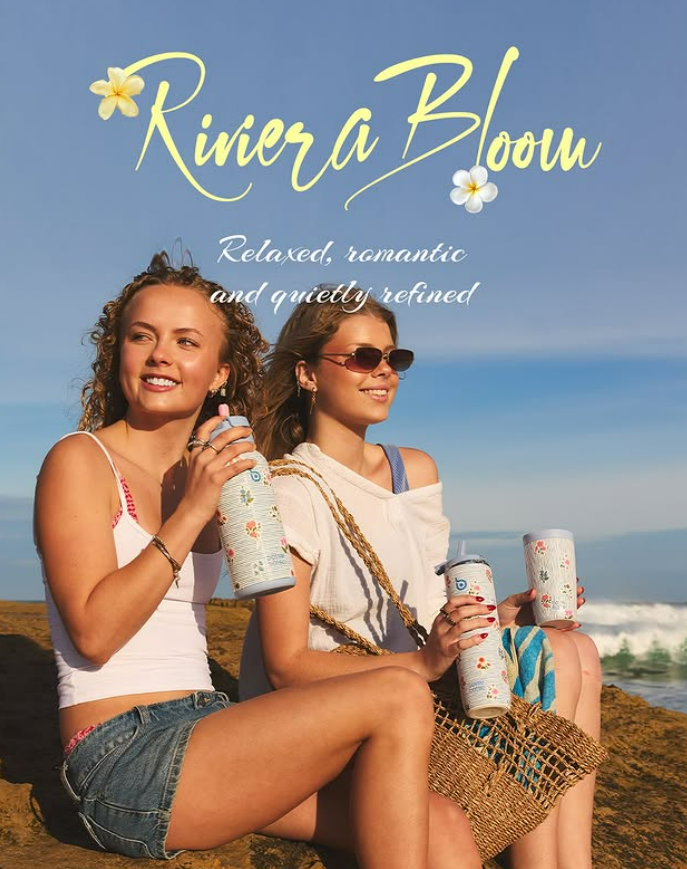
Therefore, Bottle Bottle did not limit itself to the utilitarian attributes of water bottles but integrated them into life, making them fashion items that express aesthetics and attitude. From a traditional drinkware manufacturer to a light-outdoor lifestyle brand, the positioning shift also brought changes in consumer perception. Previously users searched for "water bottle"; now they proactively search for the brand name "Bottle Bottle," with organic search volume surging. Brand performance also exploded—within 16 months, Bottle Bottle entered the top tier of relevant categories on Amazon Europe, maintaining continuous growth.
Similar changes are happening in the flashlight industry. This industry has long emphasized functional parameters like brightness, battery life, and power, and products easily fall into the stereotype of traditional tools. But with the rise of light outdoor activities like camping, hiking, and night cycling, flashlights are no longer just emergency lighting tools—they have become part of outdoor enthusiasts' daily gear. WUBEN, responding to this shift, made products compact and portable, so they not only meet basic lighting needs but also fit into consumers' outdoor lifestyles.
"Chinese brands wanting higher brand premiums cannot stop at the level of products being usable and durable—they also need aesthetic value." said Zoe, VP of Fanttik.
As a brand that started with power tools, Fanttik hopes to break consumers' preconceptions about traditional tools—tools shouldn't just be cold metal products; they can also be works that combine practical function with design aesthetics. Fanttik hopes users, beyond using the products, are willing to display them on desks and workbenches, or even collect them.
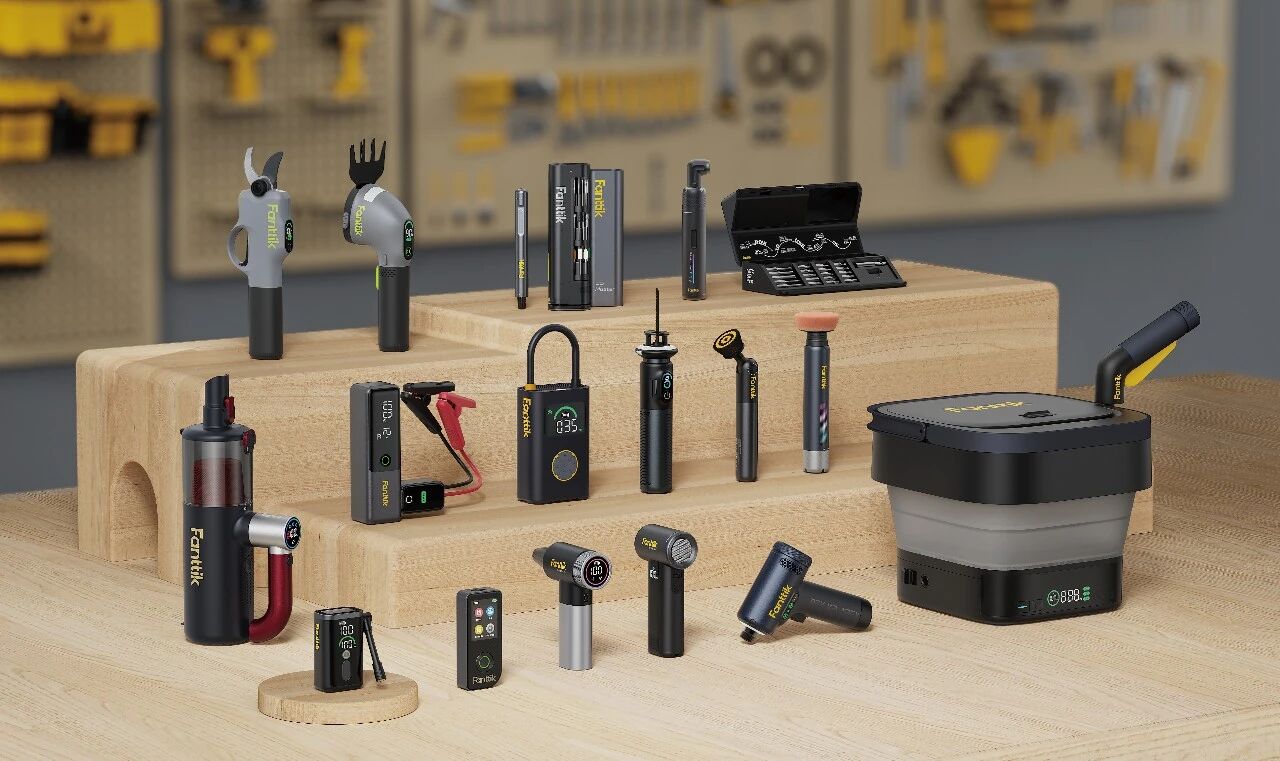
From a water bottle to a flashlight to a set of power tools, three brands in different categories are making similar attempts: no longer competing solely around product functionality, but further understanding consumers' lifestyles, aesthetic preferences, and emotional needs, making products the carrier connecting brands and users.
This also imposes higher requirements on brands going global. A product can enter a market based on functionality and quality; but to build long-term recognition in local consumers' minds, brands also need to understand their living habits and value preferences, and find the connection point between the brand itself and local consumer culture.
In this process, Amazon Seller Growth Services not only helps brands assess market and product opportunities but also, through continuous observation of consumers, category trends, and demand shifts across different markets, provides reference and support for brand positioning and value enhancement.
Flashlights, water bottles, and power tools—three seemingly traditional categories have all spawned emerging global brands. Behind this is a shift in how Chinese companies go global: globalization is no longer just about selling products to more countries, but about starting from local market needs and continuously driving product innovation, brand upgrading, and market deepening. True brand competitiveness comes not only from manufacturing and product advantages but also from understanding different markets and the ability to translate that understanding into long-term brand value.
On this path of advancement, Amazon Seller Growth Services consistently provides professional support, helping Chinese sellers bridge the critical stage from market entry to brand establishment, accompanying them from opening overseas markets to deep global expansion, and building sustainable competitive advantages in global markets.
Ebrun continues to track and report on this intelligence. To learn more about this article, please scan the QR code to follow the author's WeChat.

This article was first published on the Ebrun official website.
[Copyright Notice] Ebrun advocates respecting and protecting intellectual property rights. Without permission, no one is allowed to copy, reproduce, or use the content of this website in any other way. If any copyright issues are found in the articles on this website, please provide copyright questions, identification, proof of copyright, contact information, etc. and send an email to run@ebrun.com. We will communicate and handle it in a timely manner.
Translated by AI. Feedback: run@ebrun.com