
Some Go Bankrupt and Retreat, Others Step In and Double Down: What Does the Second Half of E-bike Overseas Expansion Really Come Down To?
 By Li Mengqi Edited by He Yang
[Ebrun Original] In August of this year, European bicycle giant Accell Group initiated bankruptcy proceedings. This company, which once propped up half of the European bicycle market and had also topped the European E-bike market, has now completely fallen from grace.
In 2022, when a KKR-led consortium acquired Accell, the European E-bike market was in a period of rapid growth. But afterward, market demand slowed, inventory piled up, products were heavily discounted, and heavy debt burdens followed one after another. In the end, this established company was unable to emerge from its operational difficulties.
Across the Atlantic, U.S. E-bike star company Rad Power Bikes filed for bankruptcy protection at the end of 2025; in April 2026, German high-end E-bike brand Riese & Müller announced its withdrawal from the U.S. market and stopped local new-bike sales at the end of July.
Many Chinese E-bike companies have also chosen to retreat amid fierce market competition. A cross-border E-bike seller that has long operated in overseas markets recently told Ebrun that the company has decided to gradually exit the business. The founder of a well-known E-bike brand also mentioned that after 2020, a large number of Chinese teams entered the E-bike market, but in the past two years, many participants have successively withdrawn.
Behind this, on the one hand, are slowing market growth, tighter tariff policies, and higher compliance requirements; on the other hand, there is pressure from sustained price competition, channel and after-sales investment, and long capital turnover cycles.
But the market has not "cooled"; there are still players doubling down. In January of this year, Segway, a brand under Ninebot, launched two new E-bikes at CES, continuing to expand in the U.S. market; in April, TANTU Technology's NAVEE announced its entry into the E-bike market, rolling out eight major product series in one go; in September, DYU announced the completion of nearly RMB 100 million in Pre-B financing, with the funds to be used for product R&D, intelligent upgrades, and global brand building; in October, Velotric announced the completion of RMB 200 million in Series C financing, with the funds to be used for technology R&D, new category expansion, and global organizational development.
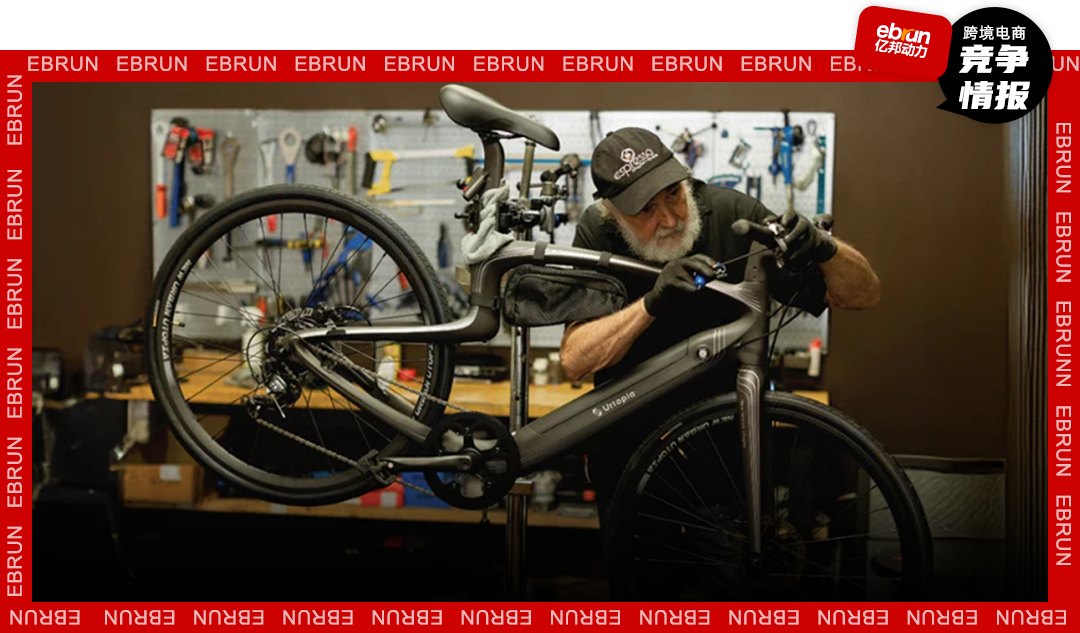
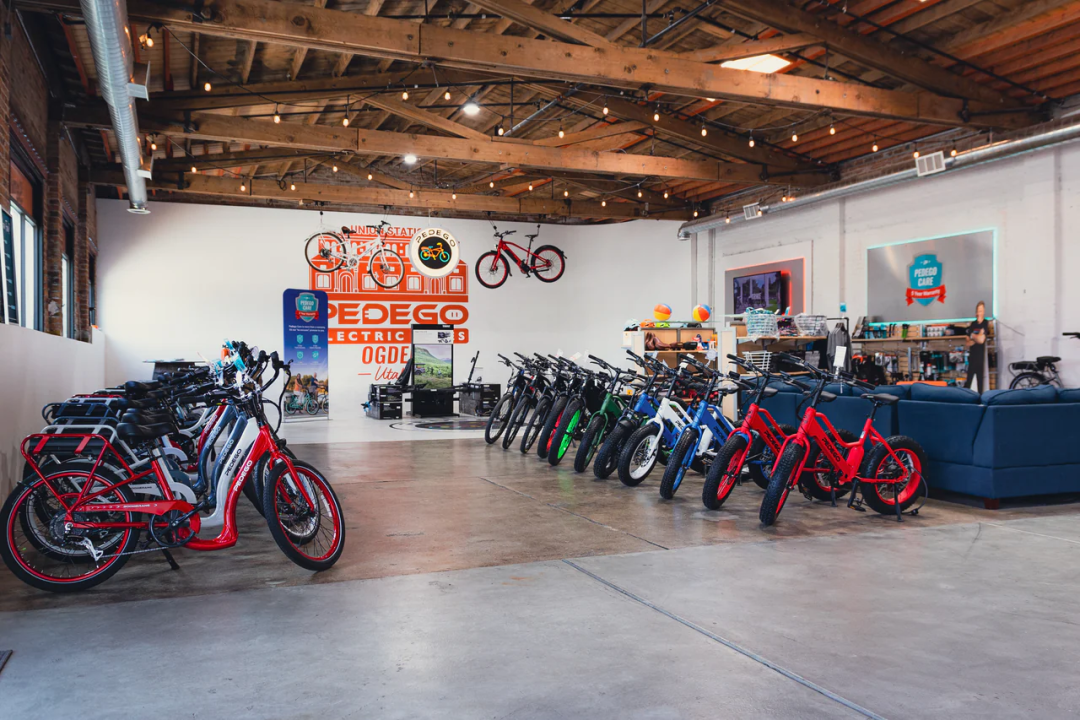
Some Chinese companies have also seized the opportunity to integrate overseas brand assets. In November 2025, the investor behind Urtopia acquired the established U.S. E-bike brand Pedego, planning to combine Urtopia's R&D and supply chain capabilities with the brand and channel resources Pedego has accumulated in the United States. In October of this year, TENWAYS announced the acquisition of the trademark, related intellectual property, and some model production documents of Accell Group's brand Sparta, and plans to restore its dealer network and product supply.
As one of the most sought-after tracks in the European and American mobility markets, the E-bike sector has seen clear differentiation among players in just a few years, and the entire market is showing a more complex competitive landscape.
01
The Survival Dilemma After the Dividend Fades
"During the pandemic, European bicycle dealers stockpiled heavily, and popular models were once in short supply. But starting in 2023, there were more and more discounts in the market, and for products from some well-known European brands, dealer quotes had even fallen to half of the original retail price." The head of a Chinese company that once operated in the German E-bike market lamented the dramatic market changes of the past few years.
He recalled that during the pandemic, public transportation was restricted, and demand for urban commuting and outdoor cycling grew rapidly, making E-bikes one of the fastest-growing categories in the European bicycle market.
For example, Dutch E-bike brand VanMoof once disclosed that its global sales in 2020 grew by more than 200% year over year, and bicycles sold in the first four months of that year exceeded the total of the previous two years combined. According to data published by CONEBI, the European bicycle industry federation, European E-bike sales reached about 5.5 million units in 2022, hitting a record high.
The head of another domestic E-bike brand also told Ebrun that at the time, both the European and North American markets were growing rapidly, attracting a large number of companies to enter, with both complete-vehicle production and channel stocking increasing.
Data corroborates his observation. Edward Benjamin, chairman of the U.S. Light Electric Vehicle Association, mentioned in 2021 that the number of U.S. E-bike brands and importers had long remained at around 120-130, but had rapidly increased to more than 400 over the previous two years. Meanwhile, European Commission survey data showed that the number of known EU E-bike manufacturers grew from about 37 in 2020 to 67 in 2023, while production during the same period rose from 3.4 million units to 4.5 million units.
However, in 2023, market demand growth slowed, and European E-bike sales began to fall back. A Chinese trade remedy review document on electric assisted bicycles published in 2025 showed that the period-end inventory of sampled EU E-bike manufacturers increased from about 37,000 units in 2020 to about 78,000 units in 2022, and further climbed to about 199,000 units by the end of the review investigation period. The European Commission pointed out that during the pandemic, surging demand and supply chain tensions prompted manufacturers to order large quantities of raw materials and components, but when supply recovered and market demand fell back, companies faced the problem of excess inventory.
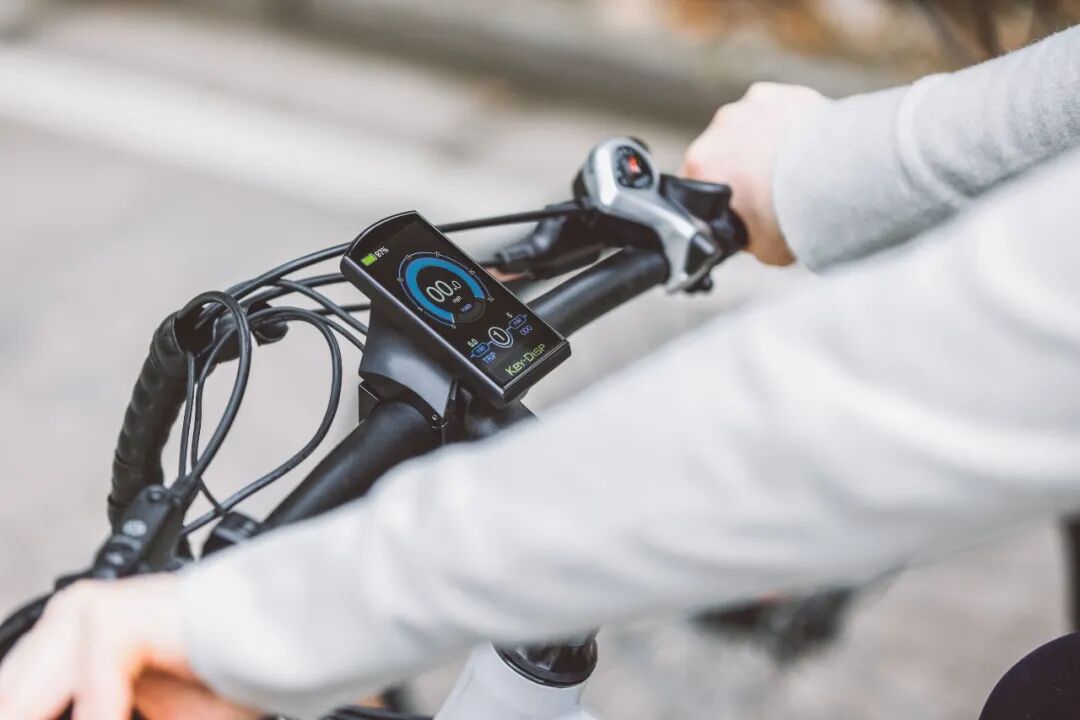
Starting in 2023, discount clearance gradually became a common phenomenon in the European E-bike market. "Everyone is destocking." The head of the aforementioned Chinese company operating in the German market said that although local offline dealers now have much less inventory than in previous years, the products accumulated earlier have brought sustained price pressure to the entire industry for several years.
The person also mentioned that when some companies decide to exit the E-bike market, they still need to dispose of goods already produced or shipped overseas, and these inventories entering the market at low prices also create a shock for other companies.
Even brands still operating normally have had to join the inventory clearance. In May 2024, U.S. E-bike brand Ride1Up publicly acknowledged on its official website that the company had produced too many E-bikes, with inventory piling up for some models, forcing it to run limited-time promotions. Among them, the Cafe Cruiser was initially launched at $1,595, later reduced to $1,395, and during the inventory clearance period could receive an additional discount of up to $350, with the lowest promotional price equivalent to about 65% of the original launch price.
Continuous price cuts have made market competition even fiercer. "For complete-vehicle brands, old models already in dealer warehouses are still being sold at low prices, while new cars need to enter the market at prices that can cover production, transportation, and after-sales costs. If they do not follow with price cuts, they may lose orders, but if they do, profit margins will be further compressed."
The situation facing Chinese brands mainly operating in the European market is even more difficult. The head of the aforementioned Chinese E-bike company that once operated in the German market told Ebrun that although Chinese companies have supply chain cost advantages, after products enter Europe, they still have to bear import taxes and fees, compliance certification, and local operating costs. If they choose to sell through offline dealers, brands also need to leave profit margins for channels and continuously invest in store expansion and after-sales service.
The person admitted that their company insists on compliant operations, so product pricing is higher than that of many Chinese peers, but limited by business scale, it is difficult to build a sufficiently dense offline dealer network, and with local brands continuously discounting, selling has become even harder.
At the same time, the cross-border supply chain for large products such as E-bikes also increases the capital pressure of online operations. The person pointed out that from domestic production and stocking to products arriving in Europe, it may take three months or even longer. Companies have to advance payment for goods, while E-bike sales have obvious seasonality—spring and summer are the main peak seasons. If order growth falls short of expectations, or the sales cycle is prolonged, capital will continue to be tied up in inventory.
02
Real Competition Happens Offline
According to the head of the E-bike company mentioned earlier, when first entering this field, what attracted them was the huge market demand in Europe. But after actual operation, they found that this business was far more complicated than expected. In addition to limited profits and high capital occupation, the company had never been able to establish a sufficiently complete local dealer and after-sales network, which was also a major problem.
In 2025, market research firm GfK's survey of E-bike consumers in Germany, France, the Netherlands, and Belgium showed that 64% of surveyed consumers in Germany bought E-bikes in offline stores, that proportion reached 68% in Belgium, while in France the share of online purchases reached 43%. Even though offline stores usually charge higher prices than online, European consumers still prefer to buy in stores. In addition, test-ride experiences and professional advice are important factors influencing their choice.
But building offline channels requires continuous investment, and it is difficult to form sufficient sales scale in the short term, which discourages many small and medium-sized brands newly entering the market. Although online channels are easier for quickly entering the market, excessive reliance on online sales may also leave companies trapped in long-term low-price competition and make it difficult to establish stable profit margins.
In the view of some industry practitioners, "the pure e-commerce approach for E-bikes does not work." Offline channels are not only an unavoidable path for brands in the industry, but also require companies to devote more time and patience to gradually build dealer relationships and make stores willing to sell and maintain their products over the long term.
Urtopia founder Zhang Bo told Ebrun that, taking the European bicycle market as an example, the market is highly regional, with different countries and cities having their own brands and dealer systems. Even if a brand achieves good sales in one region, it is difficult to quickly replicate that in other markets.
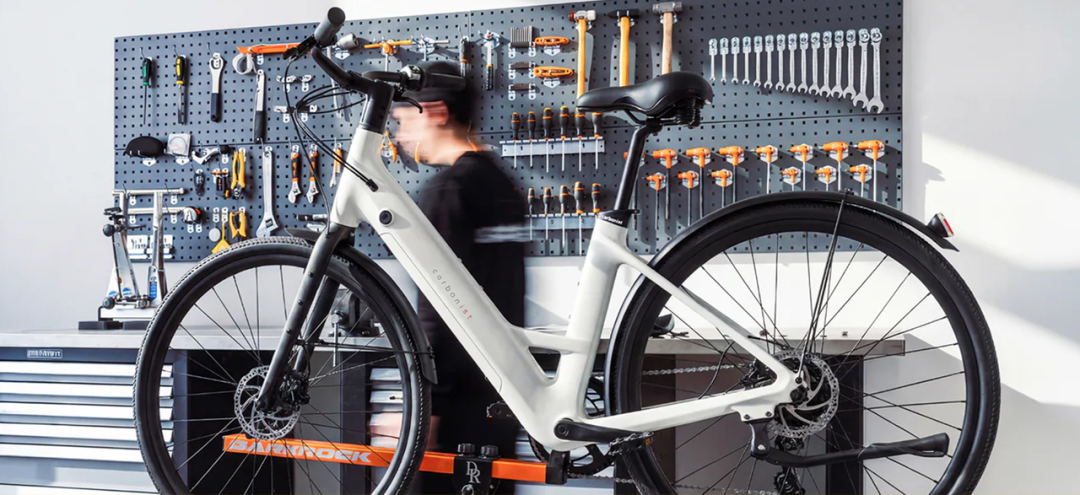
He gave an example: the operator of a bicycle shop in Hanover, Germany, found a contract manufacturer and launched its own E-bike brand, achieving good local sales, but outside Hanover, almost no consumers know the brand. This fragmented market structure makes it difficult for brands to rapidly expand their business scale by relying on channel advantages in a single region.
Urtopia also invested in the German market for many years, but further expanding channel coverage still required continuous investment. In 2024, the company decided to shift its operational focus from Germany to the United States and handed its German business to a local partner to operate. This adjustment allowed Urtopia to retain the foundation of its business in the German market while concentrating more operating resources on the U.S. market.
DYU founder Li Wei similarly believes that offline channels are an important foundation for the long-term operation of E-bike brands. In 2025, DYU sold nearly 400,000 E-bikes, of which about 70% came from offline sales. In Li Wei's view, what makes E-bikes special is that consumers still need a great deal of service after purchase. For dealers, if parts and repair support cannot be obtained in a timely manner after a vehicle breaks down, the store's own reputation will also be affected.
Therefore, when expanding offline channels, DYU not only provides complete vehicles but also reserves repair parts locally and provides dealers with technical training, assembly, and repair guides and other support. This also makes cooperation between brands and dealers more complicated. Dealers need to consider whether products can be sold, and more importantly, judge whether the brand has long-term supply and after-sales service capabilities.
To expand channel coverage, DYU did not rely on opening standalone stores, but instead chose to enter large retail channels such as Costco, Sam's Club, and Best Buy, and gradually expand into European supermarket channels. This approach can use retailers' existing store networks to expand sales coverage, but after-sales service still requires brands to continue building locally. Therefore, in Europe, DYU has also begun cooperating with third-party service providers to establish a repair service network and bear the costs of spare parts reserve and management.
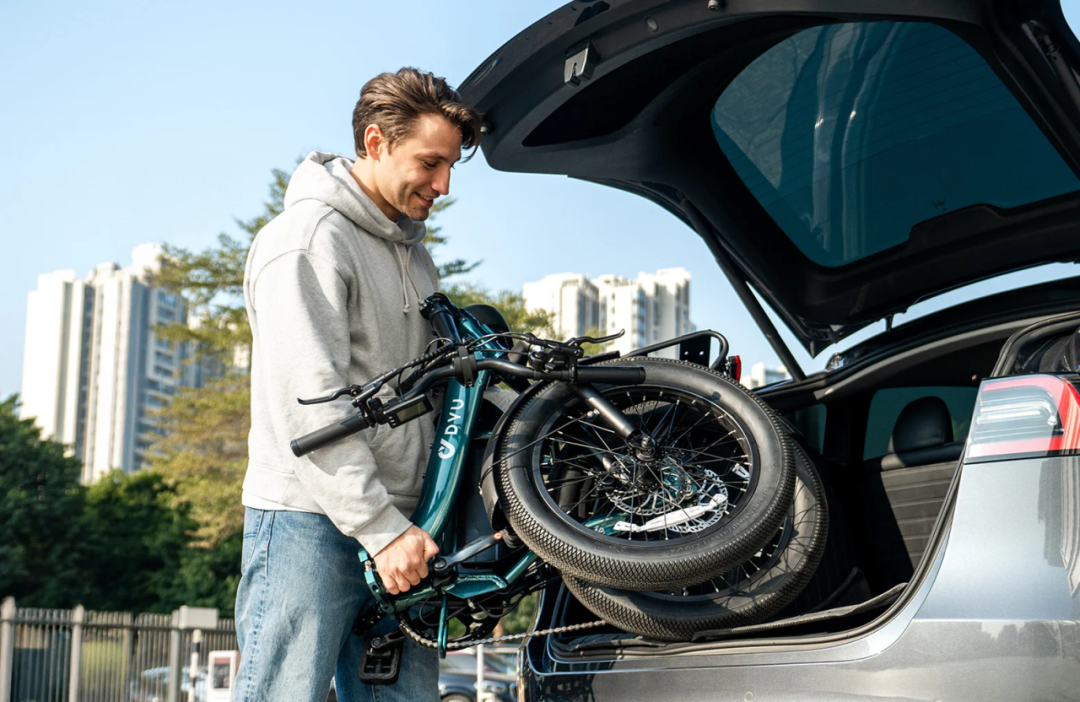
Li Wei believes that the hardest part of building offline channels is earning dealers' trust. Whether a brand can deliver on time and handle repair issues promptly all need to be verified through long-term cooperation. For Chinese companies hoping to enter the market quickly, these investments are difficult to directly convert into sales in the short term, yet they affect whether dealers are willing to continue cooperating.
For Chinese E-bike brands, in the past, rapid demand growth allowed some companies to quickly enter European and American markets through online channels, but as inventory and price pressures persist and dealers choose partners more cautiously, the importance of product delivery, repair services, and long-term operating capability has also become more prominent. A shakeout is naturally occurring in this round of change.
03
New Business Opportunities Amid the Shakeout
The head of the brand that has already exited the E-bike market pointed out that for Chinese brands, entering local dealer stores is only the first step. To make offline channels truly work, dealers must also be willing to sell and maintain their products over the long term. Behind this is a test of overall capabilities including product competitiveness, compliance, supply chain, and after-sales support.
For example, if a brand cannot provide stable parts supply and technical support, dealers may bear additional after-sales risks. For another example, E-bike sales are clearly seasonal, and brands need to organize production and stocking in advance according to market demand. If delivery is unstable, dealers may miss the peak sales season; if repair parts cannot be obtained promptly after product failures, the relationship between stores and consumers will also be affected.
Therefore, dealers' evaluation of brands actually runs through the entire process from production and delivery to after-sales service. For Chinese companies, manufacturing cost advantages are only the foundation for participating in competition; companies also need to organize R&D, production, inventory management, and after-sales service to support the long-term operation of local channels.
Once these capabilities are gradually established, Chinese companies have also begun looking for new growth space.
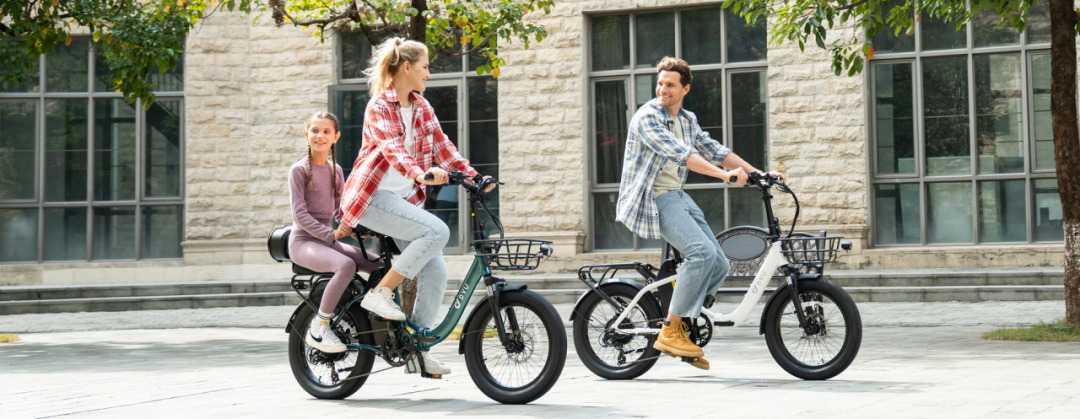
Li Wei believes that in the past few years, the various changes in the industry mainly stemmed from excessive supply growth during the pandemic. As demand returns to a normal growth level, the market has also entered an adjustment phase, but opportunities still exist in different products and usage scenarios.
In the past, DYU mainly operated folding E-bikes, targeting needs such as urban commuting, public transit connections, and car carrying. In the past two years, the company has begun adding categories such as wide-tire bikes and off-road riding products, entering more outdoor leisure and recreational cycling scenarios. In Li Wei's view, demand in the E-bike market is not entirely uniform; consumers in different countries differ in riding habits, product preferences, and usage scenarios, and companies can develop products around these differentiated needs.
In other words, an overall slowdown in industry growth does not mean that all subcategories face the same market environment. For companies that have already accumulated capabilities in motors, electronic control, complete-vehicle R&D, and supply chain organization, these capabilities also have the opportunity to be applied to other light electric mobility products.
For example, electric motorcycle brand Tromox has made the personalized riding needs of young consumers the direction of product development. Its MC10 electric motorcycle is mainly aimed at scenarios such as urban riding and outdoor off-roading, with a product positioning different from traditional commuter E-bikes.
Tromox has already entered multiple international markets through overseas agents and dealer networks. In product R&D, the company invests in technology around motors, controllers, and complete-vehicle intelligent control systems, attempting to expand overseas markets with differentiated products.
Although electric motorcycles and E-bikes differ in product standards, usage scenarios, and consumer groups, the explorations of these companies show that the R&D and manufacturing capabilities accumulated by China's electric two-wheeler industry are being applied to more segmented products and overseas markets. Of course, different products still need to face their own market demand, compliance requirements, and channel-building issues; being able to develop new products does not mean companies will necessarily be able to open markets quickly.
But this round of E-bike industry adjustment has indeed prompted Chinese companies to re-examine their own competitive advantages. From relying on low-cost products to quickly enter the market, to building long-term stable overseas channels, to developing new products around different usage scenarios, the resources companies need to invest and the capabilities they must possess have all changed, and the thresholds they must cross are higher than during the period of rapid industry growth.
Ebrun continues to track and report this intelligence. If you want to learn more information related to this article, please scan the QR code to follow the author's WeChat.

This article was first published on the official website of Ebrun.
[Copyright Notice] Ebrun advocates respecting and protecting intellectual property rights. Without permission, no one is allowed to copy, reproduce, or use the content of this website in any other way. If any copyright issues are found in the articles on this website, please provide copyright questions, identification, proof of copyright, contact information, etc. and send an email to run@ebrun.com. We will communicate and handle it in a timely manner.
Translated by AI. Feedback: run@ebrun.com