
Beyond Orders: What Are Overseas Buyers and Foreign Trade Factories Seeking at the 2026 Hangzhou Cross-Border E-Commerce Expo?
Recently, the 2026 Hangzhou Cross-Border E-Commerce Expo (hereinafter referred to as the "Expo") concluded successfully. With 20 source industrial belts, over 1,000 foreign trade factories, and more than 10,000 hot-selling products, the supply side of the Expo was exceptionally rich. The GETfair Cross-Border AI Carnival, featuring 23 AI service providers, also offered plenty of highlights. In addition to the Vietnamese delegation, many professional buyers from major cross-border e-commerce markets and promising emerging regions came to the Expo seeking cooperation.
However, for both visitors and exhibitors, the focus at the Expo was not solely on quick deals and signed orders. As the Vietnamese buyer mentioned above, closing deals is no longer the only goal; accumulating resources and exchanging information hold more long-term value. Moreover, how the industry should respond to the sweeping AI wave also weighed on the minds of many participants, as digital intelligence capabilities are increasingly becoming a core differentiator among sellers.
What specifically are overseas buyers concerned about? What matters most to manufacturers? What are the latest developments in AI applications within cross-border e-commerce? The answers to these questions all boil down to one phrase: "seeking solutions."
01 Comparing Products, Exchanging Information: Buyers Seek Quality Supply Sources
How the product sells, minimum order quantity, functional performance, and stock availability were the most frequently asked questions at the Expo. These buyers, either with purchasing intentions or conducting market research, came here seeking answers to one question: How can they find better supply chains?
On the exhibition floor, numerous booths offering different sources for the same product category stood side by side, making it convenient for buyers to compare horizontally. They would inquire at one booth and then move on to the next. The most common scene was: a brief conversation, exchanging contact information, and the encounter would temporarily conclude, with deeper discussions extending beyond the exhibition halls.
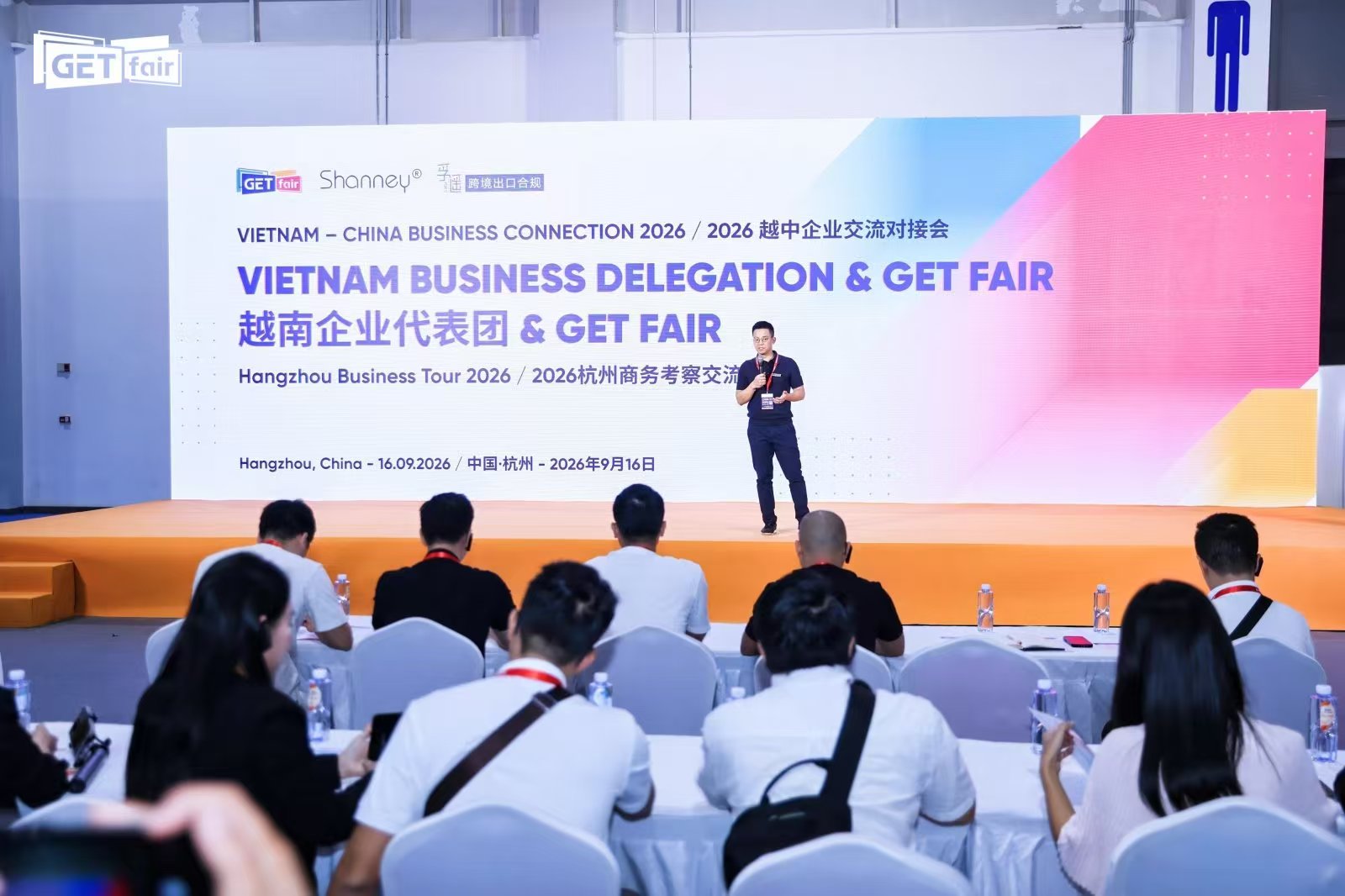
Within the Vietnamese delegation, a buyer dealing in sewing products expressed their focus on the supply chain: "We hope to find a high-end supply chain here in Zhejiang to enhance the development of our sewing industry." It is understood that the 20-plus corporate buyers in the Vietnamese delegation come from various industries, including FMCG, home appliances, and MCN. Their strong interest in China's supply chain stems from the fact that "China's supply chain is stable, production is fast, and cost-effectiveness is high."
"We are the source factory, only supplying goods, and we don't compete with distributors," a staff member from a vacuum sealer factory told Ebrun, introducing products sold to Russia, the Middle East, Portugal, and other regions. She frequently attends such exhibitions; a single exhibition might inadvertently accumulate resources for future cooperation. "Are you going to the Hong Kong Autumn Electronics Fair in October?" Upon receiving an affirmative answer that they had already registered, the inquiring buyer quickly said, "See you in Hong Kong," and left. This factory might just stay on the buyer's shortlist.
Many buyers and sellers come with the purpose of learning or accumulating resources, and even if a deal isn't reached, they can still exchange information.
At the booth of Shuqiao Artificial Intelligence, which offers cross-border live streaming simultaneous interpretation products, staff used a microphone to demonstrate product features, attracting a continuous stream of crowds. A seller on site was initially discussing the product, but although the price wasn't within his expectations, the two began sharing insights on live streaming business. The seller, planning to venture into cross-border live streaming, took the opportunity to ask related questions.
More cross-border e-commerce practitioners gathered at the booth of Zhi Wu Bu Yan, a Q&A community for cross-border e-commerce knowledge, hoping to join relevant local community groups to access more practical tips.
02 Outward Transformation, Trendy Customization: Manufacturers Seek New Growth Opportunities
A notable feature of the industrial belts at this year's Expo was the presence of not only high-quality belts around Hangzhou but also those from other provinces and cities such as Sichuan, Jiangxi, and Hebei. After inquiring at several booths, Ebrun found that many manufacturers, originally focusing solely on the domestic market, were beginning to seek overseas expansion opportunities at cross-border exhibitions.
"This mirror basically doesn't work domestically; it's mainly for export," said a staff member from Xingtai Rongyue Glass Technology Co., Ltd. The company has been in foreign trade for over a decade, supplying intermediaries for Amazon and Walmart. They attended the Expo because their traditional foreign trade has been affected by U.S. tariff increases, and they hope to develop other channels here.
Hangzhou Youqin Intelligent Technology Co., Ltd., which operates in the kitchenware sector, also wanted to expand its customer base in cross-border e-commerce at the Expo. "Some clients who came to inquire today plan to sell the goods they purchase through TikTok live streaming." Even Yunnan's intangible cultural heritage handmade embroidered patches have attracted Canadian customers.
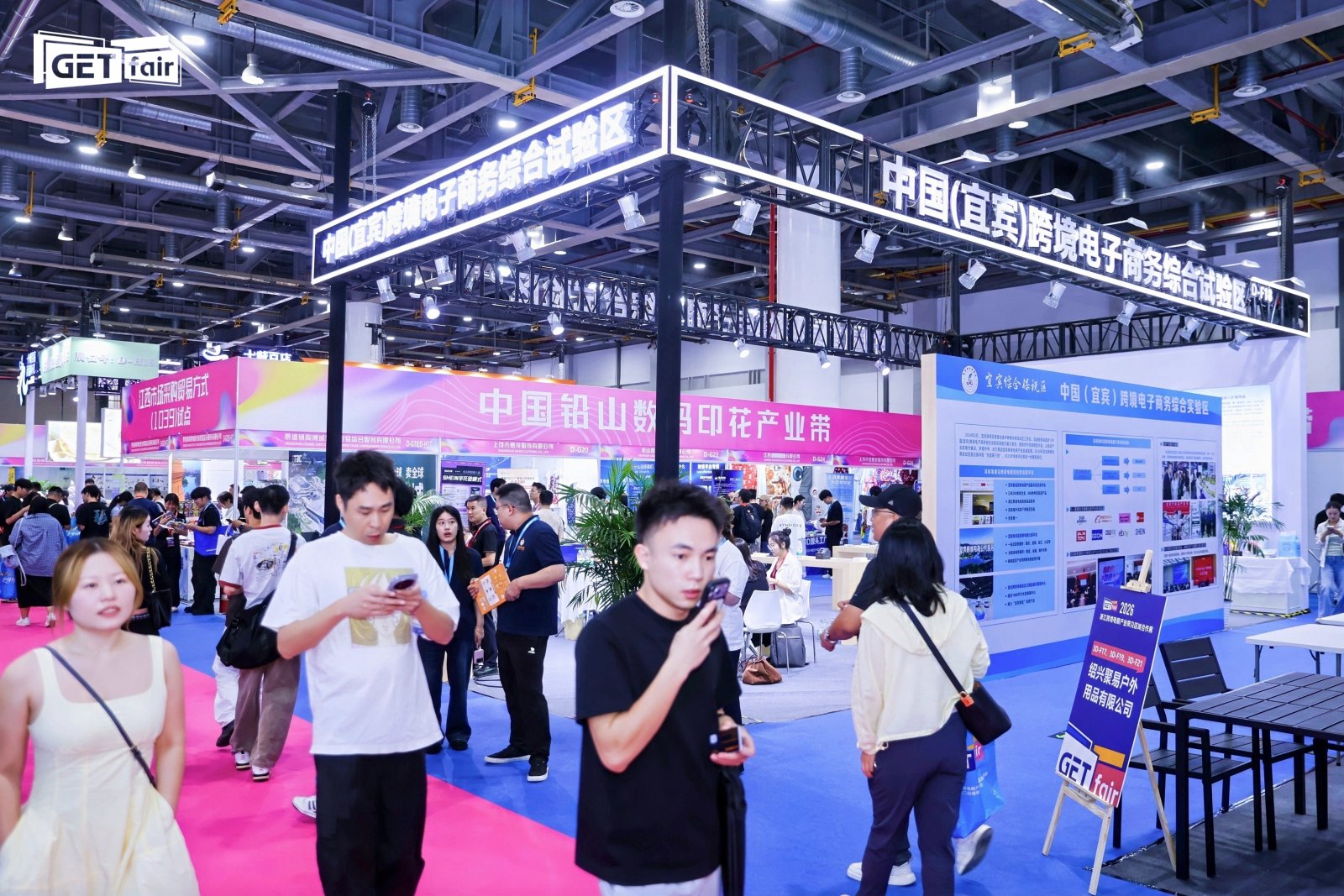
Industrial belts from other provinces with relatively weak cross-border business development are mostly relying on government-backed cross-border service platforms to connect with external resources. "Local manufacturers primarily focus on production and don't know much about cross-border," said a representative from Jingdezhen Taobocheng Cross-Border Trade Comprehensive Service Co., Ltd. As a state-owned enterprise backed by the world's largest ceramic wholesale market, the company has 600 shop resources. Regarding their participation, the staff member stated: "First, we hope to increase the market exposure of Jingdezhen ceramics; second, we want to promote our 1039 market procurement trade method."
At the Expo, products offering emotional value were more prevalent, including co-branded blind boxes, anime merchandise, AI plush toys, figurine puzzles, and desk decorations, which were quite popular.
Phoenix Trends, a blind box brand co-branded with Honor of Kings, told Ebrun: "We plan to sell mainly to Japan because of its strong anime culture. A few foreigners showed great interest this morning." However, they haven't expanded overseas yet because they still need to negotiate overseas market licenses with the co-branding partner.
"We've had more visitors than the surrounding booths," said Wenzhou Shiyang Crafts Co., Ltd., which mainly produces anime-themed fridge magnets and clear cards, and now "wants to make connections through foreign trade channels."
Additionally, the Print-on-Demand (POD) model is gaining wider acceptance, with many manufacturer booths marking low minimum order quantities, stock availability, and customization options. Custom sock brand Loomood even accepts single-pair orders. By combining socks with creativity, they operate both a DTC site and accept OEM orders, with an annual production capacity of over 300 million pairs.
03 Results Speak, Penetration Deepens: Industry Seeks Value from AI Empowerment
When the conversation turns to AI, which is a hot topic among buyers and sellers, the focus is on how AI is applied in cross-border e-commerce—whether it can actually deliver results and how effective those results are. Service providers in related fields are also doing their best to demonstrate that their AI services are reliable, with post-implementation performance improvement data highlighted and bolded.
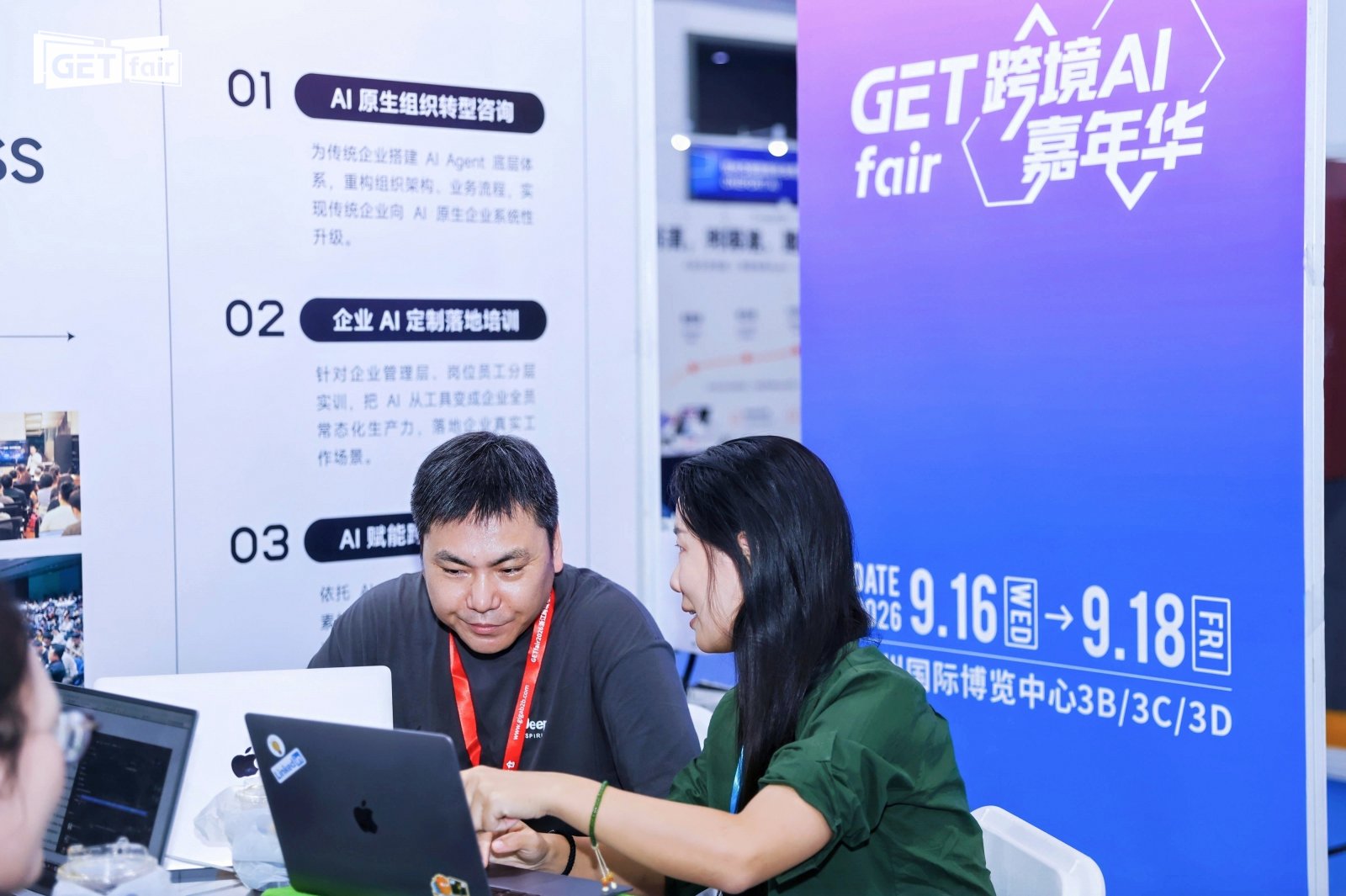
Solving real problems is where the value of AI in cross-border applications lies. Hangzhou Kepan Network Technology Co., Ltd. offers AI operations services solely for the Amazon platform. One of the applications of their AI service is helping sellers design product titles according to Amazon's new 75-character guideline to make products more likely to be recommended.
"Since this year, clients' acceptance of AI services has visibly increased significantly. Last year, people still had some reservations. Honestly, we had to deliver a few successful cases first," a staff member explained to Ebrun the shift in trust towards AI in cross-border e-commerce over the past two years.
Among the numerous AI operations service providers, those able to articulate clear differentiators kept visitors engaged for longer periods. "Our biggest difference from competitors is that we charge based on performance," confidently stated an account manager from Hangzhou Shulihangjian Technology Co., Ltd., presenting their AI customer service product. Such service providers, backed by strong product results, are also selectively choosing their clients: "We only serve sellers with annual revenues exceeding 1 billion yuan because our pricing is quite high. To achieve basic service outcomes, the annual cost is around 250,000 yuan, so it only works for large sellers."
What was most surprising, however, is that those developing AI cross-border applications are not only professional service providers; some sellers are also venturing into the service provider business. A staff member from Artux AI described the product as "born from our own cross-border e-commerce operations." It turns out they are originally a home goods seller, and this AI system has been used internally for over a year.
The reason for bringing an internal system to market is straightforward: "We plan to use revenue from AI services to subsidize our operations because cross-border e-commerce is quite capital-intensive." Sellers offering AI operations services also have a unique advantage: "Because we've actually used it ourselves and understand the business scenarios that people need, AI can genuinely deliver empowerment."
This article was originally published on the official Ebrun website.
[Copyright Notice] Ebrun advocates respecting and protecting intellectual property rights. Without permission, no one is allowed to copy, reproduce, or use the content of this website in any other way. If any copyright issues are found in the articles on this website, please provide copyright questions, identification, proof of copyright, contact information, etc. and send an email to run@ebrun.com. We will communicate and handle it in a timely manner.
Translated by AI. Feedback: run@ebrun.com