
Panel: Beyond North America, Which Regional Markets Can Serve as New Growth Engines for Brands Going Global?
【Ebrun Original】As a growing number of Chinese brands seek incremental growth beyond European and North American markets, South Korea, the Gulf Cooperation Council (GCC) region and Latin America are emerging as key focus areas for cross-border businesses. However, these markets vary widely in consumer preferences, platform rules, fulfillment models and localization barriers. How should brands select target markets, control trial-and-error costs, and scale from their first order to long-term sustainable operations?
On September 17, 2026, at the thematic forum of the *Accelerate26 Cross-Border Ecosystem Acceleration Summit · China Stop* — hosted by Pattern with Ebrun as strategic partner — Jane Liu, Director of Cross-Border Seller and Private Label Business for China at Coupang; Muhan Chen, Head of China Operations at noon; and Libby He, South China Head of Channel and Ecosystem Management at Mercado Libre, joined a discussion on “Tapping Growth Tracks Outside North America”, moderated by Desiree Wong, Associate Director of E-Commerce at Pattern.

Note: This article is an initial draft compiled from event transcripts, featuring selected highlights of the discussion, edited by Ebrun without altering the original intent of speakers.
01 What Opportunities Do the Three Incremental Markets Outside North America Offer?
Desiree Wong: We have heard extensive discussion today about Amazon and Western markets. In reality, there are many fast-growing emerging markets, including South Korea, the GCC and Latin America, each with unique operating rules and market characteristics.
Today we are joined by executives who run operations on the leading platforms in these markets, to share actionable insights for brands looking to enter these regions. To start, please introduce yourselves, the platforms you represent and the core markets you oversee.
Jane Liu: Hello everyone. I lead China-to-South Korea cross-border export business; Coupang primarily serves the South Korean market. I have been with Coupang for five to six years, a veteran in the cross-border space, and have long focused on China-to-Korea cross-border e-commerce.
Muhan Chen: Good afternoon, ecosystem partners. I am Muhan Chen, Head of China at noon. While noon has operated in the Middle East for nearly a decade, we officially launched full merchant recruitment and business operations in the Chinese market less than a year ago. In this short period, we have already witnessed strong seller onboarding and new growth opportunities. As a blue-ocean market, the Middle East offers Chinese sellers more predictable returns, higher profit margins and relatively less saturated competition. I believe this market can help sellers, especially those already operating in Western markets, unlock substantial new incremental growth.
Libby He: Good afternoon. I am Libby He, leading merchant recruitment and service ecosystem management for China at Mercado Libre. I spent roughly eight years working overseas before returning to China in 2018. Like many merchants, I started my cross-border journey focusing on mature markets such as Europe and North America, before gradually shifting focus to Latin America.
Like the other blue-ocean markets discussed today, Latin America is a high-growth incremental market. Later I will share what has driven seller success in the region, and why Latin America has attracted surging attention over the past two years.
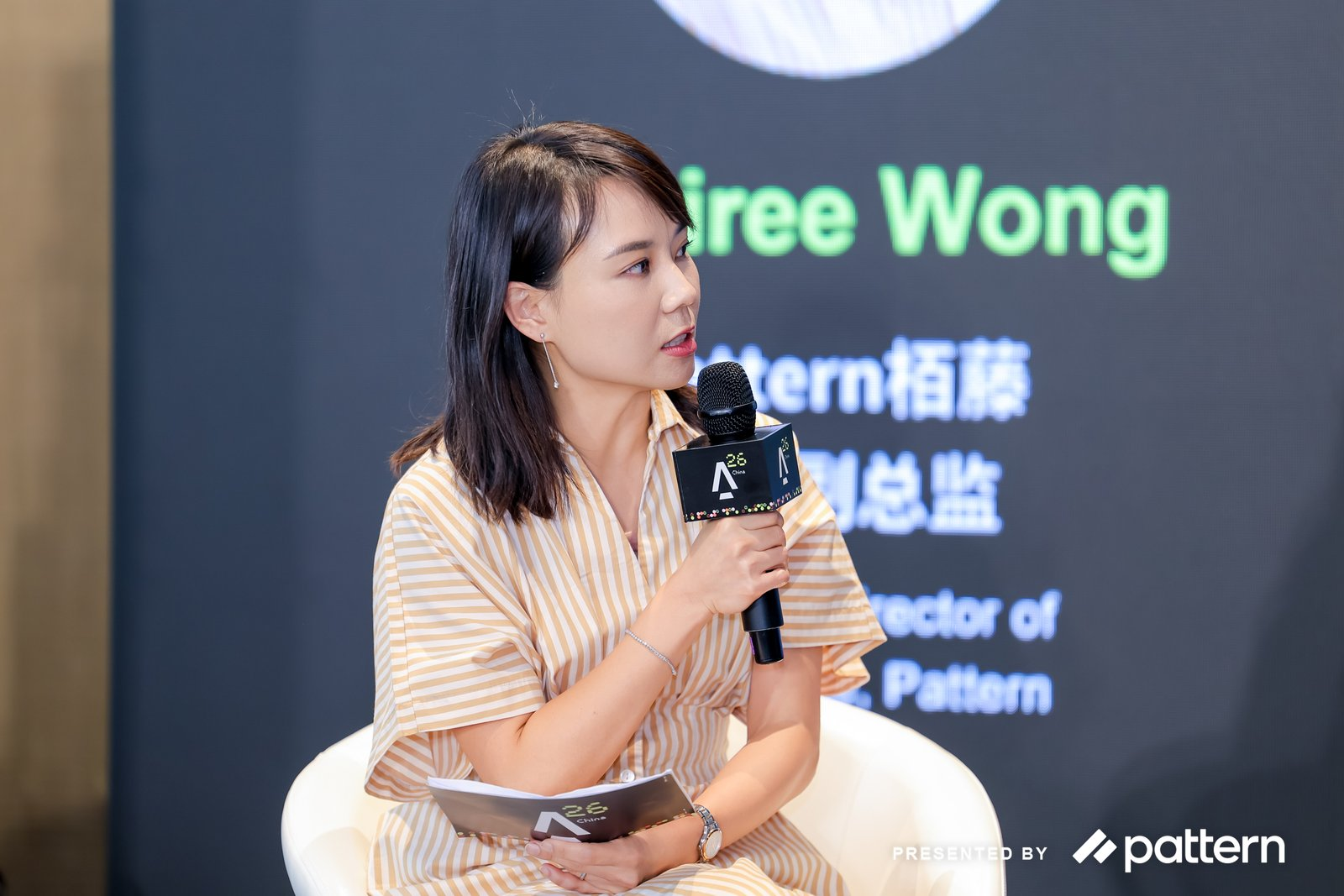
Desiree Wong: Thank you all. Why should brands consider entering the markets you oversee? Looking ahead 12 to 18 months, what is the core value proposition for brands launching on your platform?
Muhan Chen: For noon, our core market in the Middle East is a region that many Chinese sellers are curious about yet unfamiliar with — eager to enter but often unsure of the right path.
The region attracts brands and sellers for two key reasons. First, it has a young, fast-growing population: fertility rates and average household size are high, translating to massive consumer demand. Second, per capita GDP in several Middle Eastern countries is high, underpinning strong spending power.
We have served many leading brands for years, including well-known names such as Anker and Ugreen. On noon, sales from these brands rank among the top across all e-commerce platforms in the region. These cases prove that Middle Eastern platforms can deliver strong profit margins, supporting brands with high product quality and differentiated value to build long-term local presence.
Jane Liu: Let me start with an overview of the South Korean market. Before joining Coupang, I had limited knowledge of the market, but after joining I realized it is a highly underrated, overlooked opportunity.
South Korea has extremely high per capita GDP and total e-commerce sales: it is currently the world’s fifth-largest e-commerce market, with an annual market size of around $180 billion. As South Korea’s largest e-commerce platform, Coupang has nearly 25 million active users — equivalent to half of the country’s total population, with more than one user per household on average. Coupang is best known for its customer experience, including same-day and next-day delivery, supported by its proprietary in-house fulfillment network. For cross-border business, South Korea is also a market heavily reliant on imports. Against this backdrop, the country’s inflation dynamics and dependence on imported goods create highly favorable conditions for Chinese brand sellers to enter.
Libby He: When evaluating a new market or growth track, brands usually focus on two keywords: incremental growth and potential.
Latin America’s projected overall e-commerce growth rate stands at 12.5%, the highest globally. The region covers 33 countries and territories with a total population of 650 million, representing a large population base and rapid growth.
To put it in perspective, Latin America’s current e-commerce landscape is similar to China’s seven or eight years ago, as consumers continue shifting from offline to online shopping. Entering at this stage makes it easier to capture market share.
Why choose Mercado Libre? Founded in 1999 and listed on NASDAQ in 2007, Mercado Libre currently has a market capitalization of around $100 billion, with roughly 290 million platform active users.
More importantly, penetration of Chinese brands across the Latin American market remains very low. Local consumers are going through a behavioral shift — from gaining internet access to shopping online, including the adoption of smartphones for e-commerce following the entry of smart device brands such as Xiaomi. Frankly speaking, now is a very favorable window to enter Latin America. Through Mercado Libre, brands have the opportunity to build online sales volume and further expand into offline channels.
02 Low-Cost Market Entry: Match Your Operating Model First, Then Test Products With Small Batches
Desiree Wong: Entering any new market requires upfront investment and costs. What approaches can help new brands looking to join your platform reduce entry costs?
Jane Liu: Coupang has a massive user base in South Korea. The country has an 80% internet penetration rate, highly active mobile users and mature digital infrastructure. However, customer acquisition and traffic costs can be relatively high.
Against this backdrop, Coupang has built a mature logistics fulfillment service system for cross-border sellers. Sellers can leverage our official domestic logistics services for product testing, lowering barriers to market entry. We operate consolidation warehouses in Shenzhen, Dongguan and Weihai, which provide strong support for brand and product testing.
In terms of product selection, South Korean consumers have high requirements for quality. High cost-performance 3C smart hardware, aesthetically designed small home appliances, as well as outdoor, pet and DIY categories are strong entry points for the market. South Korean consumers have particularly high acceptance of outdoor products. Meanwhile, South Korea is heavily reliant on imports, and the government actively encourages cross-border e-commerce. From our Weihai warehouse, delivery to South Korean consumers can be as fast as three days, with a maximum of five days — a very friendly setup for new sellers.
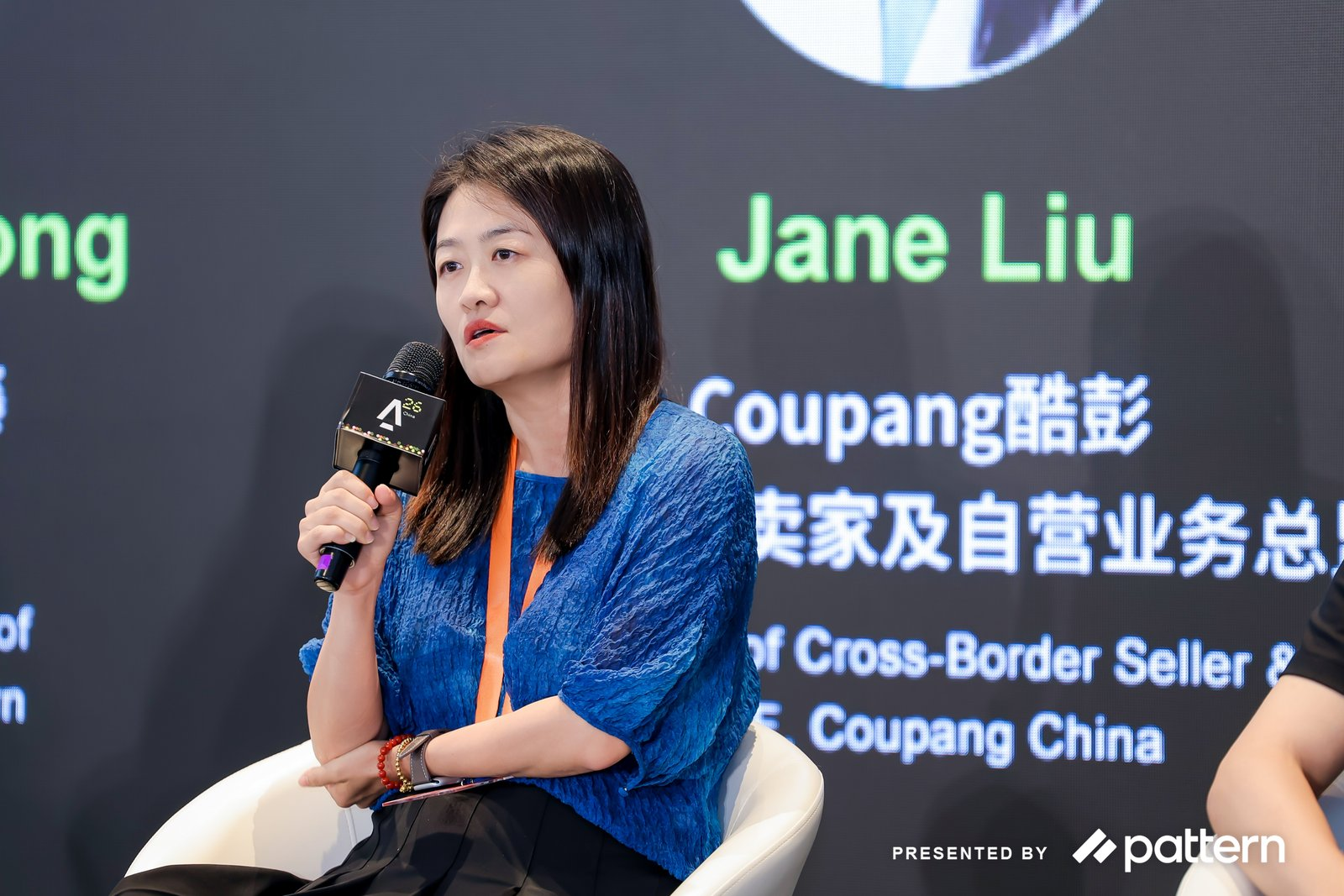
Libby He: For new brands or sellers who have not yet worked with Mercado Libre, the most critical step is to start with internal alignment around two questions: first, what cross-border e-commerce model are you already accustomed to operating; second, what model fits your product portfolio.
If you are used to warehouse fulfillment models, Mercado Libre offers official overseas warehouses, known as Full warehouses. Sellers stock goods in local warehouses, and we handle last-mile delivery after orders are placed. This model offers the best delivery speed and traffic priority, but requires upfront capital commitment.
When you are unsure whether a product will perform well early on, you can ship small batches using a combination of air and sea freight — send a portion by air for faster testing, and the rest by sea. At this stage, do not overprioritize short-term profits: the goal is product validation, not immediate maximum returns. If air-shipped test batches perform well, you can then scale up with larger sea freight shipments, which is a lower-risk approach.
If sellers are already accustomed to direct air parcel shipping from China and have mature operating workflows on other platforms, opening a Mercado Libre store will not add significant incremental costs. Goods are stored in domestic warehouses, and shipped only after orders are placed.
For example, categories such as fashion products, phone cases and screen protectors have very large SKU counts, making early overseas warehouse deployment high-risk. For these categories, it is more suitable to store goods in domestic warehouses, and add the Latin American market as an additional test channel alongside shipments to other platforms.
Mercado Libre’s self-shipping model offers free door-to-door pickup. Sellers only need to store goods in their own warehouses, have orders ready within 48 hours, and we will handle delivery to overseas consumers. Under this model, sellers can test products quickly with lower capital and operational costs.
However, sellers must also evaluate whether their products fit this model. From a buyer’s perspective, why would someone wait 10+ days for your product when they can receive alternatives in one or two days? Is it because your price is 30% lower, or because your product has unique features? Brands and sellers need to put themselves in consumers’ shoes to decide which model is most suitable for early testing.
Muhan Chen: We also offer options similar to the self-shipping models mentioned by the other speakers, and equally encourage sellers to test products flexibly.
However, Middle Eastern consumers already have relatively high expectations for delivery speed. In response, noon offers two differentiated models: noon Minutes and noon Supermall, which enable 15-minute and one-hour delivery respectively. These two models are particularly well-suited for categories such as beauty and 3C electronics.
In addition, we have launched Global, our direct small-parcel shipping model from China. It does not require sellers to stock large volumes of inventory locally in advance, and uses forward warehouses to help sellers turn over inventory quickly, aligning with local consumer habits. Sellers need to identify approaches on the platform that offer higher certainty and better match local consumer demand. For brand sellers looking to expand into the Middle East, instant retail is a particularly promising model to explore.
03 From Average Seller to Top Performer: The Key Lies in Refined Operations and Localization
Desiree Wong: Entry barriers for new brands are relatively low across all three platforms. But for brands that have operated for a period and want to grow from average sellers to top-tier players, what operational capabilities are most critical to upgrade?
Jane Liu: We work with sellers across all tiers — entry-level, mid-tier and top sellers.
To reach the top tier, first you must have strong product selection and supply chain capabilities, which are foundational prerequisites. Second is deep operational capability, including localization expertise and experience. For example, product detail pages must be fully localized.
South Korean users have very high standards for creative assets and visual presentation, which is another prerequisite for becoming a top seller. Additionally, sellers must prioritize review management, local customer service and authentic user reviews.
Integrated online and offline promotion is also essential. In South Korea, brands need to identify influencer partners, develop offline promotion channels, and build brand awareness and product relevance. The South Korean digital ecosystem is relatively independent, with Naver as the dominant search engine, complemented by social platforms such as Instagram and YouTube. After entering the market, brands must commit to long-term, refined localized operations to grow into top sellers. Many Chinese brands offer excellent quality, but are not yet familiar to South Korean consumers. Local consumers are becoming more open to international brands, and as the brand reputation of “Made in China” grows globally, acceptance will continue to rise.
Libby He: I see two core priorities: refined operations and localization.
After many brand merchants identify winning products on Mercado Libre, those aiming for top-tier performance often begin launching local stores. Local stores have certain entry barriers, so many merchants start with cross-border stores for faster initial market entry.
But if you want to build a large brand that delivers stable growth and significant business scale locally, I recommend pursuing full localization.
Once you know which products sell well, you need to develop a real understanding of what products fit the market, and how to sustain your brand’s business locally. First is product adaptation, second is tax compliance. Tax is one of the biggest barriers in the Latin American market, with significant information asymmetry for new entrants. If you can navigate tax compliance effectively, you will already outperform 70-80% of sellers.
Localization is not just about registering a local company: it also requires building local online and offline channel presence.
Mercado Libre is not only an e-commerce platform: it also operates a FinTech division and the Mercado Pago e-wallet. Latin American consumers are highly value-focused, which is why I always emphasize that brands must participate in platform campaigns. Consumers wait for sales and discounts, and can earn 5% cashback when shopping on the platform using Mercado Pago. Many blockbuster product sales and breakout successes come from major or secondary promotional events, and Mercado Libre prioritizes promotion of branded products during these events.
Video content is another key priority. Two years ago, product pages on Mercado Libre were relatively simple, dominated by text and images. Now the platform has rolled out a wide range of features. Top merchants use these features to design their storefronts, so consumers can immediately recognize them as official brand stores. Additionally, merchants should use campaign discounts to drive traffic, and offer same-day delivery via local warehouses. Overall, localization is critical to becoming a top seller, and refined operations are the core foundational requirement.
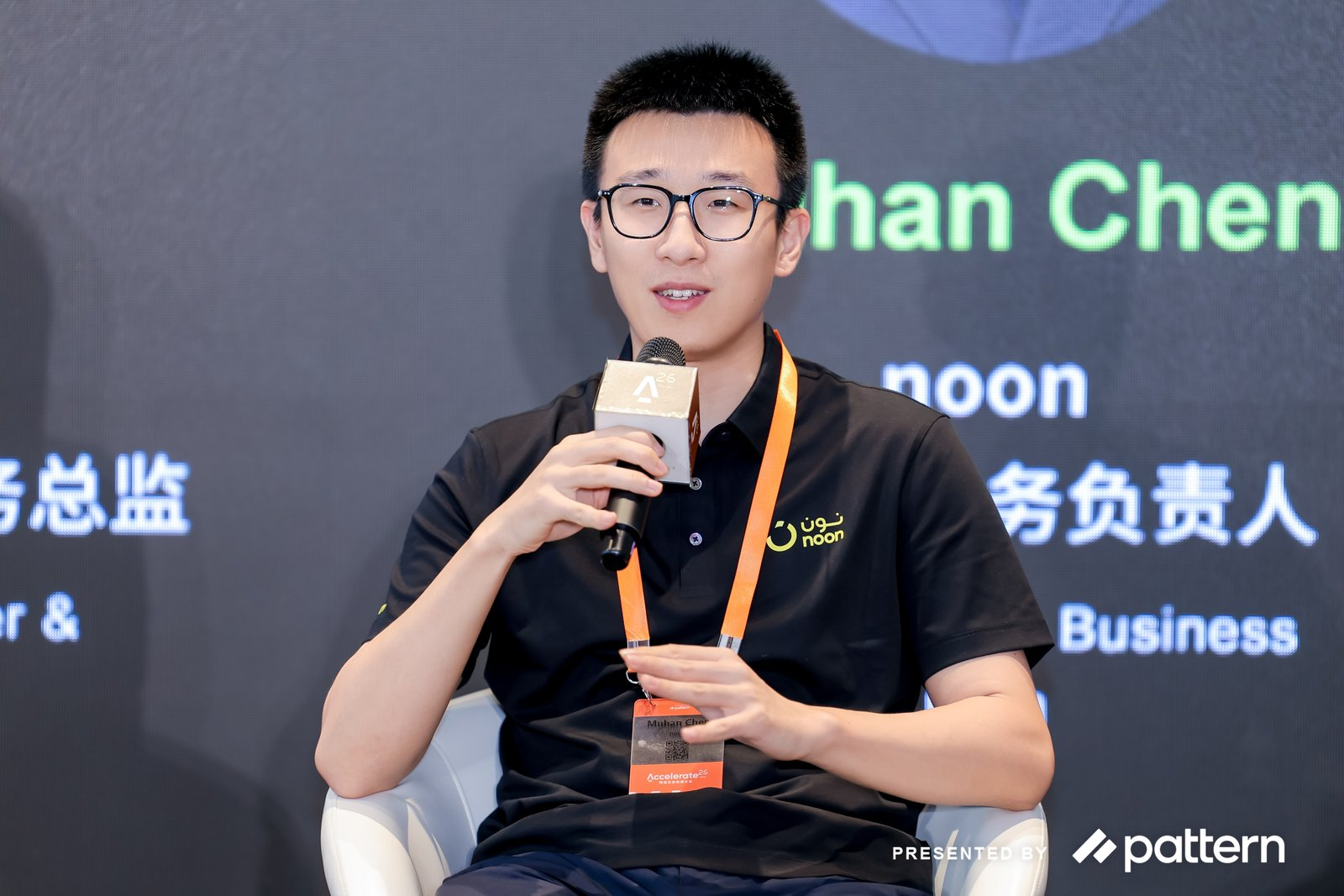
Muhan Chen: In the Middle East market, brand competition is still relatively less intense, so the path to becoming a leading brand is relatively clear.
First, you must understand local user profiles. Consumers in the Middle East differ significantly from those in Western and Asia-Pacific markets. Local fertility rates are high, male consumers hold significant spending power, and female consumer spending is rising rapidly. These factors create many untapped demand pockets. For example, some women who previously did not work are now entering the workforce; those who did not previously use lipstick or eyeshadow are now developing beauty product demand.
On the other hand, Middle Eastern consumers enjoy grilled food and mandi (traditional hand-eaten rice dishes), so conventional cookware may not meet their needs; extra-large frying pans, for example, can become breakout products tailored specifically for the region. There are many highly segmented demand areas, where targeted product development can drive massive sales. For this reason, brands need to truly immerse themselves in the local market. We have observed that many brands that succeed in the Middle East send their operational leads and teams to Saudi Arabia and Dubai first, to observe local user habits and online/offline retail formats, before conducting in-depth product research and design.
Second, brands need to align with key market launch timelines. Many brands plan their market calendars focusing primarily on Western market launch windows, and overlook that the Middle East also has a large base of trend-focused consumers who want access to the latest products as soon as they launch. For example, when the iPhone 18 launches, competition for phone cases and fast chargers will be fierce in other markets, but while many Middle Eastern consumers search for iPhone 18 cases, actual local supply is often far lower than expected. Allocating more priority to the Middle East in overall market planning can unlock outsized opportunities.
04 Fulfillment, Brand Building and Reputation Determine Long-Term Business Sustainability
Desiree Wong: All three of you mentioned logistics, which has a major impact on platform operations and market expansion. What logistics solutions can each platform provide for Chinese brands?
Libby He: Mercado Libre’s offerings have evolved beyond the overseas warehouse and self-shipping models we offered three or four years ago. Over the past year, we have launched several new models.
In addition to overseas warehouses and self-shipping, we offer a U.S. transit warehouse model. Many merchants have already succeeded in European and North American markets, with their own warehouses in those regions. Mercado Libre operates a warehouse in Texas, U.S., where sellers can send inventory. After orders are placed, we ship goods from the U.S. to Latin American markets and handle last-mile delivery.
We have also launched semi-managed and fully managed models, with a consolidation center based in Dongguan. Merchants only need to send goods to Dongguan, and we handle all subsequent processes. For semi-managed, we are primarily responsible for logistics; for fully managed, we handle end-to-end operations, and sellers only need to supply products and set pricing. There is also a local entity model. Take Brazil as an example: many factories and integrated production-trade merchants want to develop the local market, but face tax and logistics challenges when operating. To scale their business, merchants typically need to establish a local company or partner with a local entity, and stock inventory locally. For merchants operating on the Brazil site who want to use warehouse fulfillment, cross-border stores are limited to the self-shipping model and cannot access overseas warehouse services. To use in-warehouse fulfillment, merchants need to register a local company and operate via a local store account. Our team can provide such merchants with campaign resources and support such as storage capacity upgrades.
There is a common saying at Mercado Libre: “The worst problem is not being unable to sell goods, but being unable to get inventory into warehouses.” This is because the platform operates on a storage capacity logic. A store may have an initial storage capacity of only 1,000 units; to secure more capacity, sellers need to continuously improve inventory sell-through rates.
Many merchants run a smooth supply chain by combining transit warehouses with official warehouses: they store most of their inventory in third-party local partner warehouses, send a small portion to official warehouses first, and replenish from third-party warehouses after stock sells out. When the platform sees strong product sell-through, it will gradually increase storage capacity. This also benefits merchants, as it avoids large volumes of unsold inventory piling up in official warehouses. Storing goods in third-party warehouses also allows merchants to distribute inventory to other e-commerce platforms, reducing overall inventory risk.
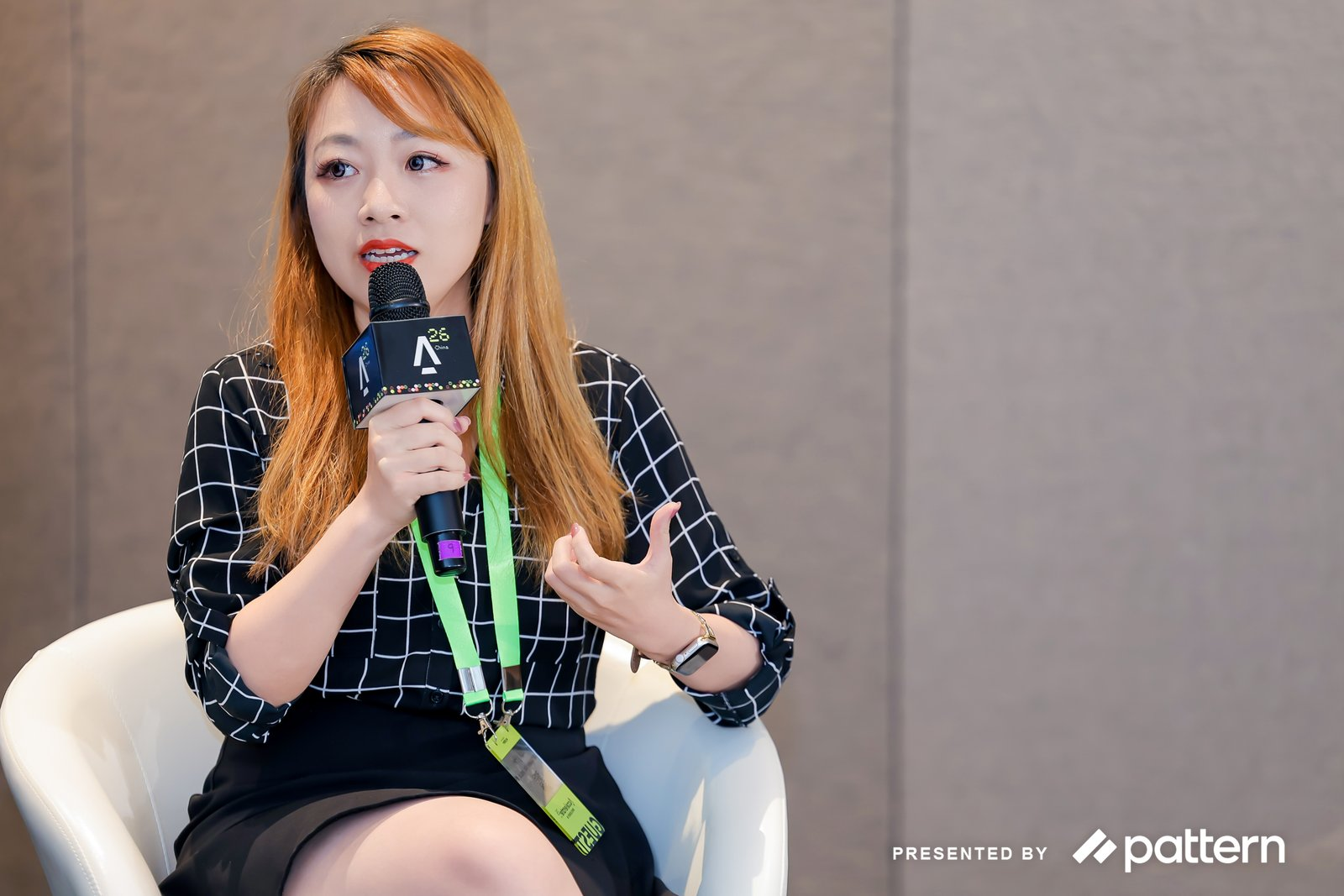
Muhan Chen: noon is able to offer one-hour and 15-minute delivery because Middle Eastern consumers have very strong demand for fast fulfillment. We operate instant retail, shelf-based e-commerce and delivery services locally, and this integrated logistics network is what supports 15-minute and one-hour delivery.
In the past, Chinese brands joining noon mostly operated on traditional shelf e-commerce only. But the instant retail segment is an area that is even more worth exploring.
Previously, Chinese sellers faced high barriers to obtain local business licenses and VAT registration numbers. This year, leveraging the platform’s customs clearance and tax capabilities, we have optimized our operating model. Sellers can register stores from China and receive the same traffic access and benefits as local stores.
The platform handles local customs declaration and tax matters, delivering a more seamless localized experience for Chinese sellers, and further lowering the threshold to open stores and build long-term operations on noon.
Jane Liu: Coupang’s most famous service in South Korea is Rocket Delivery, which is defined by speed and reliability. This is a key reason for strong user loyalty and continued repeat transaction volume on Coupang.
For cross-border business, the Weihai Rocket Warehouse is also defined not just by fast delivery times, but most importantly by reliability. The warehouse supports both air and sea freight options, matching different transport methods to different product categories. For sellers located further from dispatch points, fees are also relatively low.
Our internal data shows that sellers using the official Rocket Warehouse see two to three times higher conversion rates than self-shipping sellers, alongside significantly lower return rates. When consumers place an order, they can see the exact expected delivery date. For cross-border sellers, this is a highly compelling service offering.
Desiree Wong: If cross-border businesses aim to build brands on platforms, rather than just drive sales volume, what issues do they need to prioritize?
Muhan Chen: While we are an e-commerce platform, we encourage sellers to adopt omni-channel thinking when approaching the Middle East. Middle Eastern consumers have very integrated online and offline consumption habits. Brands that rely solely on online exposure may not be able to drive full-funnel consumer demand. Local consumers attach great importance to offline experiences and offline brand recognition.
noon has integrated online and offline brand promotion capabilities, we are also an owner of The Dubai Mall. After new brands join the platform, we provide relatively comprehensive, customized brand marketing roadmaps that integrate online and offline channels, including activities such as offline pop-up stores, to help brands reach local consumers more deeply. Beyond these approaches, the mature experience brands have accumulated in Western markets can also be applied to the Middle East.
Jane Liu: South Korea, like China, is an Asian market, so user preferences are closer to China’s than those in Western markets, but there are still subtle differences.
Beyond fast, low-cost product testing, brands need to conduct in-depth product selection and user preference research. For example, fans in South Korea are not only used in summer: consumers also use fans in winter. Koreans have a habit of removing their shoes and walking barefoot indoors, so some local fans have switches placed on the base, designed to be operated by foot. These details demonstrate that product selection is core. Refined brand operations are foundational, and both on-site and off-site promotion are essential.
South Korea has long moved past the stage of low-price, bulk listing strategies. People often talk about cost-performance, and Chinese manufacturing is globally known for good value, but in South Korea, product quality and performance take priority over price. Therefore, brands need to build strong product selection, solid operations, full-funnel promotion, and prioritize visual experience. Before entering the market, brands also need to conduct thorough research on compliance and brand registration, especially for sensitive categories such as beauty, maternal and baby products, toys and food.
Libby He: Brand supply in Latin America is still unsaturated, and consumers remain relatively price-sensitive, which creates large opportunities for Chinese brands and products to build brand recognition. Consumers may perceive your products as comparable to leading global brands but at lower prices, making them more willing to purchase.
Over the past year, brand merchants have been a key recruitment focus for Mercado Libre. Two years ago, most stores on the platform operated like general stores, selling a wide range of products. At that time, the product pool was not sufficiently diverse, so merchants could source many products from 1688 and still generate sales. But the landscape has shifted over the past year. After the second wave of Chinese sellers entered the market, the merchants that achieved real breakout growth were typically brand operators. This is because these merchants began using the platform’s brand tools, secured greater traffic, and drove 1-2x higher sales for the same products compared to general stores.
For example, the My Page feature operates like a dedicated brand store landing page, where merchants can customize banners and product display sections to gain greater exposure. We also promote brands across all device endpoints. In the main navigation bar on Mercado Libre’s storefront, there is a dedicated Official Store channel. The platform provides dedicated channels, campaign access and traffic support for brands. All in all, this is a very favorable window for brand merchants to enter Latin America.
Desiree Wong: For the last question — one that every brand wants to know — what are the most common mistakes new brands make when entering your platform, and what issues can be avoided in advance?
Jane Liu: On Coupang, given the geographic proximity between China and South Korea and relatively low cross-border barriers, some sellers accustomed to low-price, bulk listing strategies enter the market. But this low-price, high-volume listing approach is no longer suitable for the South Korean market.
Bulk listings may drive short-term growth, but in the long run, store ratings are critical. South Korean users have high review submission rates, and often write very detailed, lengthy feedback — similar to long-form personal posts. Therefore, maintaining a strong reputation is essential.
Another common issue is poor visual design and insufficient localization. Directly using AI machine translation for product information does not work well in South Korea. There are many operations professionals in China who speak Korean, so sellers planning to build long-term presence in the South Korean market should first build these foundational capabilities. In addition, if entering the South Korean market via general trade, brands must prioritize KC certification compliance, otherwise products may fail to be listed or be removed from shelves, creating a persistent operational bottleneck.

Libby He: When entering Mercado Libre, there are two common “wrong market fit” mistakes: first, lack of understanding of the storage capacity logic; second, copying operating strategies from other platforms directly.
Many experienced sellers use a multi-store matrix model on other cross-border platforms, but Mercado Libre applies a store weight concept. For a given product, 50% of traffic weight comes from overall store weight, and 50% comes from individual listing weight.
Brand merchants can use multiple stores for fast product testing in the early stage, but to truly scale their business, they need to concentrate resources to build up a single core store.
Mercado Libre has a store tier system, similar to ranked tiers in games such as *Honor of Kings*, with tiers including Silver, Gold and Platinum. When store sales reach $35,000 with over 750 orders, the store can advance to Platinum tier, unlocking more resources and traffic support.
Another core priority is store reputation. Merchants must control customer complaints and resolve issues promptly, especially for overseas warehouse orders. There is a common saying that once a store enters the “red zone” for reputation, it becomes very difficult to operate, so sellers should aim to keep their reputation in the “green zone”. A green reputation rating not only drives more traffic exposure, but also qualifies sellers for a 50% discount on last-mile delivery fees, which directly impacts operating costs. For sellers using the self-shipping model, on-time fulfillment is mandatory. Sellers must have orders ready within 48 hours; frequent late fulfillment or unprompted order cancellations will also harm green reputation standing.
Muhan Chen: We consistently emphasize local inventory stocking. For noon, locally fulfilled orders receive higher traffic priority, with local inventory accounting for 70-80% of total platform traffic allocation.
When calculating costs, sellers should not only account for product costs, but also factor in labor, technology and time costs.
Testing products via low-cost cross-border small parcels may appear to require no upfront inventory investment, but in reality incurs significant operational, time and technical costs, and the final returns may be far lower than stocking goods locally. Especially in the current Middle East market, affected by geopolitical factors, local in-stock inventory is even more scarce, which creates an opportunity for brands that build local stock positions.
Ebrun will continue to track and report on relevant industry insights. For more information related to this article, please scan the QR code to follow the author’s WeChat account.

This article was first published on the official website of Ebrun.
[Copyright Notice] Ebrun advocates respecting and protecting intellectual property rights. Without permission, no one is allowed to copy, reproduce, or use the content of this website in any other way. If any copyright issues are found in the articles on this website, please provide copyright questions, identification, proof of copyright, contact information, etc. and send an email to run@ebrun.com. We will communicate and handle it in a timely manner.
Translated by AI. Feedback: run@ebrun.com