
From Beachhead Expansion to Home Market Cultivation: Long-term Players Reach Their Inflection Point in Southeast Asia
 By Wang Yu | Edited by Shi Lei
[Ebrun Original] Southeast Asia has long ranked among the most familiar destination markets for cross-border sellers. Heading into 2026, the region remains a high-priority growth market for global expansion leaders. What draws merchants today, however, extends far beyond its expanding market size: a structural shift in consumer behavior is underway. As local household incomes rise and consumer awareness matures, demand is evolving beyond basic functional needs to prioritize quality, brand identity, and shopping experience.
Data from Cube Asia shows that online GMV of branded goods in Southeast Asia reached roughly $40 billion in 2025, and is projected to hit $150 billion by 2030. Nearly 90% of surveyed consumers say they are willing to pay a premium for branded products, with around 30% prepared to pay an extra 10-30% for guaranteed authentic goods.
As a core driver of this brand-focused consumption wave, TikTok Shop has expanded aggressively across Southeast Asia to become a leading regional e-commerce channel. Third-party research firm Momentum Works reports that the platform added $23 billion in GMV in 2025, representing year-over-year growth of over 100%.
Riding this platform momentum, a large cohort of sellers is now reaching an inflection point where brand equity translates directly into revenue and multi-market expansion takes off. Early movers that first established a beachhead in the region are now repositioning the platform from a "first stop for overseas expansion" to a "core home market" for their business: moving past short-term, traffic-grab tactics that chase quick wins, they are building sustainable growth flywheels that deliver long-term compound returns.
In fact, TikTok Shop’s cross-border e-commerce business in Southeast Asia is fostering a new playbook for global expansion: one centered on refined operations, cross-market synergy, committed long-term investment, predictable growth, brand building, and persistent long-term strategy. In the second half of the year, a packed calendar of mega sales events—including the 9.9, 11.11, and 12.12 shopping festivals—will unleash concentrated consumer spending, creating a prime opportunity for sellers to prove their operational strength and secure strong returns: Southeast Asia consistently rewards merchants that invest in deliberate, thoughtful operation.
01
From Traffic Testing to Home Market Cultivation: Disciplined Operations Deliver Long-Term Value
Sellers that have already built strong brand recognition in their home market are best positioned to understand the fundamental difference between one-off traffic acquisition and sustained customer retention: rather than chasing rushed short-term spikes, long-term success depends on building solid foundations for consistent growth. A growing number of merchants operating by this principle are capturing market share at a striking pace.
Over the past year, average order value for high-performing cross-border sellers on TikTok Shop Southeast Asia rose 120%, signaling stronger revenue-generating capacity. The recently concluded 9.9 Shopping Festival delivered GMV 1.9 times that of the same period last year, kicking off the peak selling season with strong momentum: on September 9 alone, total livestream views surpassed 180 million, with many steadily operated domestic Chinese brands climbing to the top ranks of seller leaderboards in Thailand, the Philippines, Malaysia, and other regional markets.
Comfy (Kefumei) stands out as a representative growth case in this cohort. As a flagship brand under Giant Biogene and a leading player in China’s medical-grade wound dressing and skincare segment, the brand made Southeast Asia a core strategic priority in 2024, targeting the region as its next major growth engine.
Zhang Qiong, head of Comfy’s Southeast Asia business, laid out the logic behind the decision: the region offers close geographic proximity to China, mature logistics and e-commerce ecosystem support, and a high degree of product-market fit, as the brand’s ingredient portfolio and efficacy claims are well-suited to the needs of pan-Asian consumers. She also observed a growing number of local brands emerging to target niche skincare needs such as skin repair and soothing, signaling that the market window for category entry had arrived.

TikTok Shop’s cross-border e-commerce platform, she added, provided a low-barrier, high-certainty channel with long-term growth upside to quickly validate its business model and product market fit.
Reflecting on the brand’s zero-to-one journey, Zhang noted that the team’s most critical choice was to maintain consistent strategic focus while iterating aggressively on execution. “Setbacks are inevitable, but you have to keep testing, course-correcting, and committing resources—especially when it comes to owning the white space around our recombinant collagen category and building top-of-mind brand awareness,” she explained.
The turning point arrived quickly. Between August and October 2025, Comfy saw its first major sales surge, notching a breakthrough win with its first large-scale influencer livestream event that turned its hero product, the Collagen Serum Stick, into a viral hit.
For Comfy, however, viral sales spikes are not the core objective: building the operational framework for long-term business resilience is the higher priority. “From day one, we pursued high-quality growth, with a focus on healthy margins, repeat purchase rates, and brand recognition,” Zhang noted. Today, many of Comfy’s products are priced higher in Southeast Asia than in its home market of China.
That pricing power is closely tied to its deliberate, in-depth cultivation of its first two launch markets, Singapore and Malaysia.
First, high-growth markets led by Singapore have been a strong tailwind for Comfy’s performance on TikTok Shop. In the first half of this year, GMV on TikTok Shop’s Singapore site grew more than 1.8 times year-over-year, while sellers participating in the platform’s dedicated Singapore support program recorded GMV growth 3.8 times the overall market average.
Second, Comfy identified influencer livestream commerce as its core growth driver. “In Singapore, influencer livestreams account for the vast majority of our sales,” Zhang explained. Platform operations managers helped connect the brand to local creators closely aligned with Comfy’s brand positioning, significantly accelerating the process of building a targeted matrix of beauty and skincare creators.
“Our tiered collaboration system is running smoothly now, with a full SOP covering trial livestreams, creator screening, product recommendations, performance reviews, and long-term co-creation,” Zhang told Ebrun. Comfy prioritizes creators who deliver fluent, clear on-air presentation, excel at explaining product value, and have deep knowledge of skincare ingredients, aiming to turn every livestream and short video into a durable content asset that builds long-term user perception.
Stocking inventory locally in Singapore for near-market fulfillment has also been a key competitive advantage for the brand, enabling 2-3 business day delivery that drastically improves customer experience. To encourage more sellers to test overseas warehouse fulfillment, TikTok Shop Southeast Asia recently rolled out a new “Malaysia to Singapore” logistics policy, allowing sellers to enter the Singapore market quickly using stock held in Malaysia, alongside subsidies of up to $3,000 in product subsidies or ad credits to support local fulfillment with direct financial incentives.
That is far from the only support available: the platform offers targeted incentive programs across the entire operational chain, from traffic acquisition and logistics fulfillment to content strategy development. Sellers can search for “TikTok Shop” on search engines to access the latest official support policies.
02
From Single-Market Breakthrough to Multi-Market Synergy: Content as a Lever for Sustained Growth
“Building deep penetration in Singapore and Malaysia is just the first step of our Southeast Asia strategy,” Zhang said, noting that Comfy has far broader regional ambitions. After working through every stage of the journey from cold start to self-sustaining growth flywheel and building a proven playbook, the team plans to use Singapore and Malaysia as a base to replicate successful models across additional markets, delivering on its “validate in first launch markets, then cultivate as core home markets” strategy.
“We will expand into more Southeast Asian markets, scale our local teams by hiring local talent, and accelerate product localization to launch more lightweight, non-greasy, fast-absorbing new products tailored to local consumer preferences,” Zhang shared.
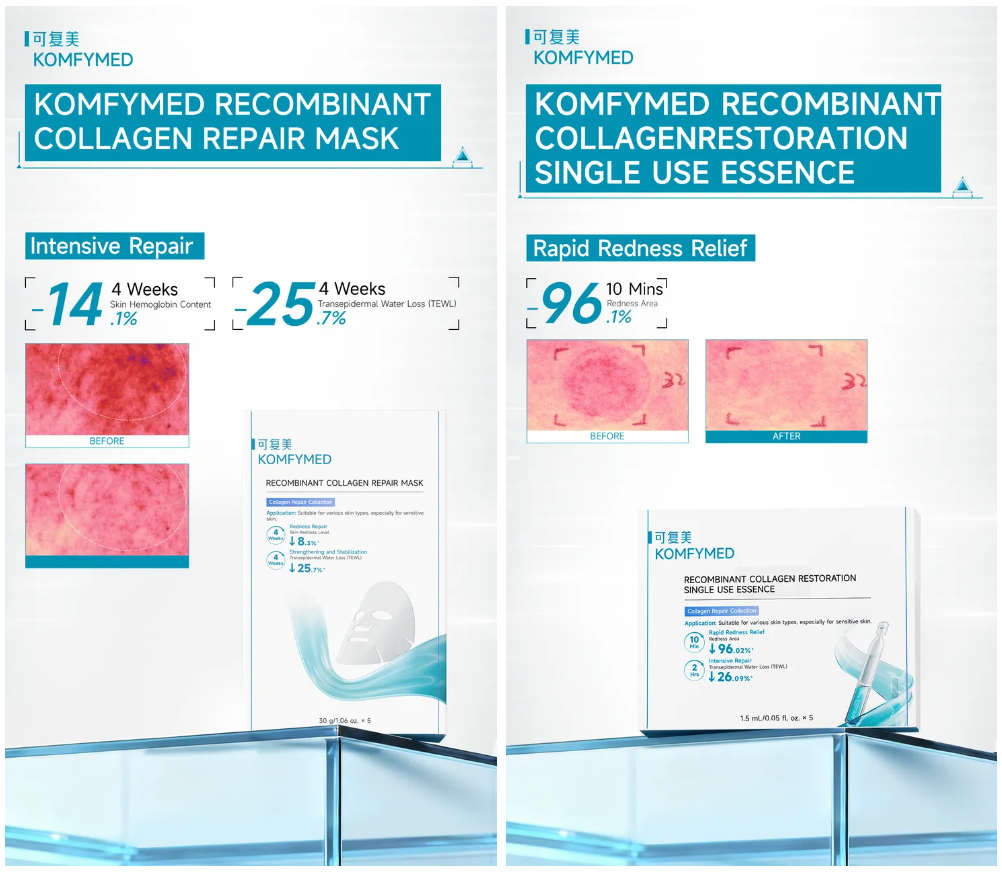
Platform enablement is a critical enabler of this expansion. This year, TikTok Shop Southeast Asia has continued to upgrade its multi-market operation capabilities, removing friction for sellers by providing dedicated tools and breaking down information barriers.
Features including cross-store customer service support for sellers operating multiple shops, unified global data dashboards, and one-click cross-posting of short videos to multiple markets lower the barrier to multi-site coordination, enabling centralized operation through a single backend. When operational rhythms, content assets, and customer service scripts can be flexibly deployed across markets, scaled growth becomes a natural outcome of systematic capability rather than a result of brute-force headcount expansion.
If multi-market operation is the required path to scaled growth at the “physical” operational level, deep investment in content ecosystems unlocks the lever for perpetual growth at the brand perception level. For long-term-focused players, the user mindshare built through content is a durable asset that drives compound returns and recurring viral sales spikes.
Within the content ecosystem, livestreaming is the most powerful tool, enabling direct reach to the most active, content-trusting consumer segments in Southeast Asia.
Influencer livestreams serve as Comfy’s core “growth engine” for driving sales. The brand has built a two-pronged livestream system: regular sample-seeded influencer livestreams form the baseline, maintaining consistent sales cadence and broad creator coverage, while origin-tour livestreams—hosted at two locations, Hangzhou and Xi’an—serve as a key brand-building initiative. Its Hangzhou office hosts multiple international creators each month for light-touch behind-the-scenes tours, while during mega sales events or brand anniversaries, the brand invites core long-term creator partners to its Xi’an headquarters to tour production facilities, giving in-depth visibility into the brand’s heritage and supply chain capabilities.
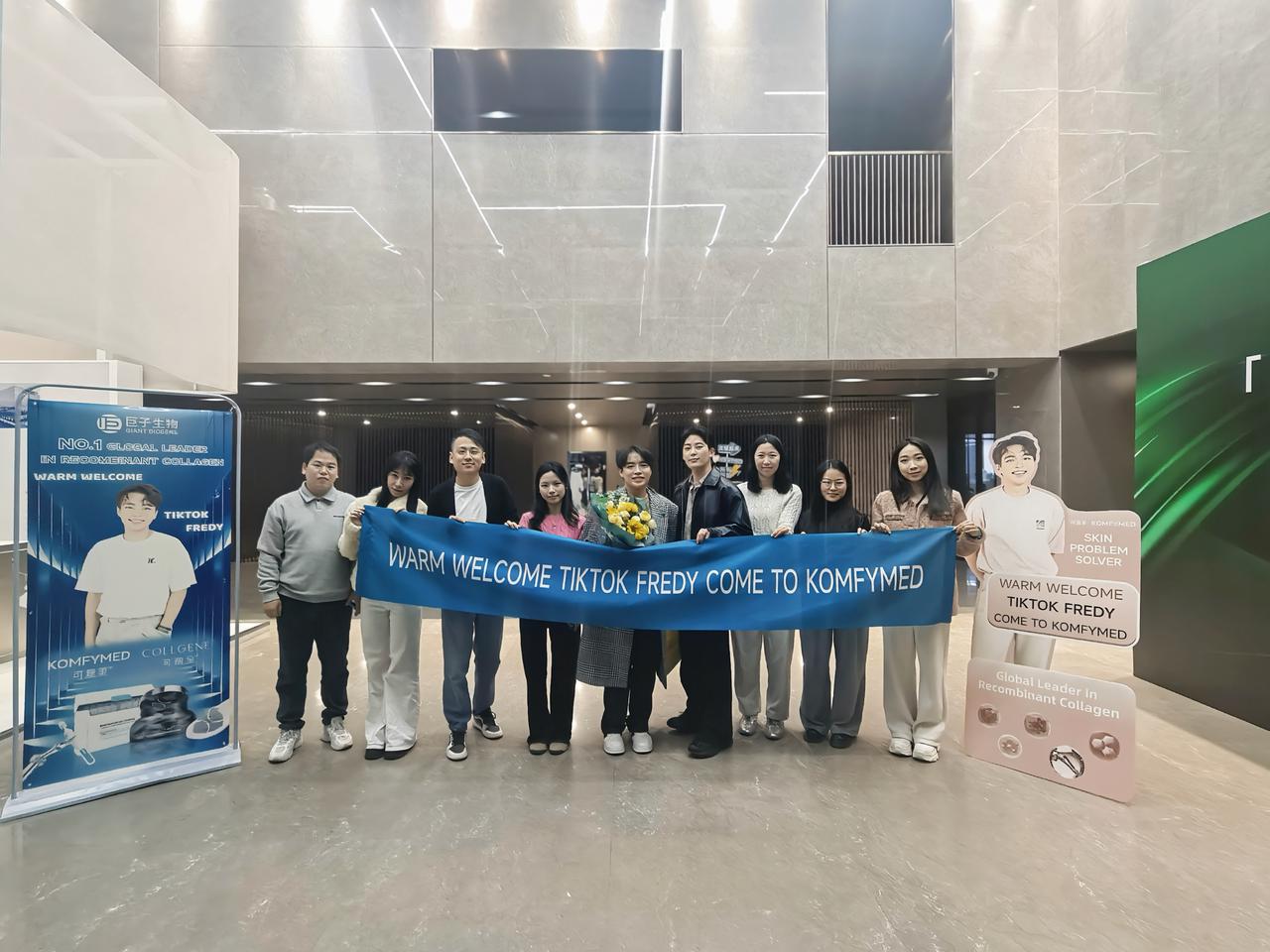
Comfy is also ramping up investment in its own merchant-hosted livestreams, and platform policy has provided a tailwind for this push.
“This year, we will increase investment across exposure, search, and product tools to prioritize support for merchant-hosted livestream content,” Xu Mengqi, global head of TikTok Shop Cross-Border, has stated publicly. Concrete incentives back that commitment: during the recent 9.9 promotion, for example, the Singapore site launched its Live Party program, which offered up to $780 in ad credits to self-broadcasting sellers that hit defined GMV thresholds for their livestreams.
Under Zhang’s vision, supported by these platform incentives, Comfy’s future “dual-engine model” will have clear, distinct roles: influencer livestreams will act as a “customer acquisition pool,” leveraging creator endorsement to reach new audiences quickly and drive first-time purchases, while merchant self-broadcasts will function as a “brand showcase,” focused on sharing professional skincare knowledge and answering detailed product efficacy questions to retain high-loyalty customers through demonstrations of deep product expertise.
03
From New Entrant to Leading Merchant: Mega Sale Events Cement Predictable Growth
After years of rapid expansion, Southeast Asia’s growth window remains wide open for Chinese sellers. As a core gateway to the market, TikTok Shop Southeast Asia is rolling out the welcome mat for sellers at every stage of development.
For individual sellers and cross-border newcomers, the biggest barrier is often hesitation and fear of taking the first step. To address this, the platform has continued to lower entry barriers, making onboarding as seamless as possible: sellers with zero prior e-commerce experience do not need an invitation code to register, and can complete shop setup in as fast as three business days. New sellers that complete onboarding tasks can also access thousands of dollars in discount coupons to accelerate early shop growth.
For mature brands like Comfy, the “100 Million RMB Fast Track” program provides support to expand into new channels: with up to $15,000 in monthly product subsidies and $10,000 in ad credits, leading players have the resources to expand into new channels and capture larger incremental growth.
For growth-oriented sellers from China’s industrial manufacturing belts, the platform offers on-the-ground support including 1-on-1 onboarding assistance, plus targeted category incentives: for example, stores in verticals such as phone cases and screen protectors qualify for up to 120 days of commission-free operations, alongside high-value coupon and ad credit incentives.
In short, the platform currently operates as an enabler rather than a gatekeeper. For sellers, however, market windows do not stay open indefinitely: identifying the right entry cadence and launching operations now is the most critical immediate priority.
As the second-half peak season approaches, the dense lineup of mega sale events represents the ideal launchpad for new sellers to enter the market and secure early wins, as well as a key opportunity for more established sellers to monetize long-term investments and capture brand premiums. With the successful conclusion of the 9.9 promotion, Southeast Asia’s consumer market has officially entered its year-end peak season cycle. During this year’s TikTok Shop Southeast Asia 9.9 Shopping Festival, both livestream and short video content across the platform delivered strong results: more than 1.3 million cross-border sellers and affiliate livestream rooms participated in the event. On September 9 alone, GMV driven by short video commerce rose 80% year-over-year, with total video views reaching 1.46 billion, as high-quality content reached users across scenarios to drive cross-ecosystem transactions. The platform’s dedicated “Pioneer Program” for cross-border sellers also delivered explosive growth as part of updated campaign mechanics.
Looking ahead, the 11.11 and 12.12 annual mega sales will follow in sequence, offering sellers the best opportunity to hit new performance highs.
There is no one-size-fits-all formula for business success, only a growth path that fits each seller’s own strengths. Both emerging new brands and established domestic Chinese brands can find a suitable overseas expansion path on TikTok Shop Southeast Asia. For sellers pursuing predictable, sustainable growth, the platform is no longer merely an “alternative option.” It is both a solid landing point for new market entry, and a proven, high-conviction core home market for long-term business. The region never fails to reward long-term players: for those who commit consistent investment and deliberate, careful operation, the market will ultimately deliver outsized returns.
This article was first published on the official website of Ebrun.
[Copyright Notice] Ebrun advocates respecting and protecting intellectual property rights. Without permission, no one is allowed to copy, reproduce, or use the content of this website in any other way. If any copyright issues are found in the articles on this website, please provide copyright questions, identification, proof of copyright, contact information, etc. and send an email to run@ebrun.com. We will communicate and handle it in a timely manner.
Translated by AI. Feedback: run@ebrun.com