
Unpacking Cross-Border Trading Card Exports: Who Is Profiting From Global Collectors? Where Do The Next Growth Opportunities Lie?
【Ebrun Original】"Collecting is fast emerging as a vibrant new force in the global consumer market, and trend-driven collectibles led by trading cards are unlocking fresh growth potential," said Lin Wenkui, General Manager of Greater China for eBay’s Global Cross-Border Trade division, when discussing the strategic opportunities for Chinese trading card exports to global markets.
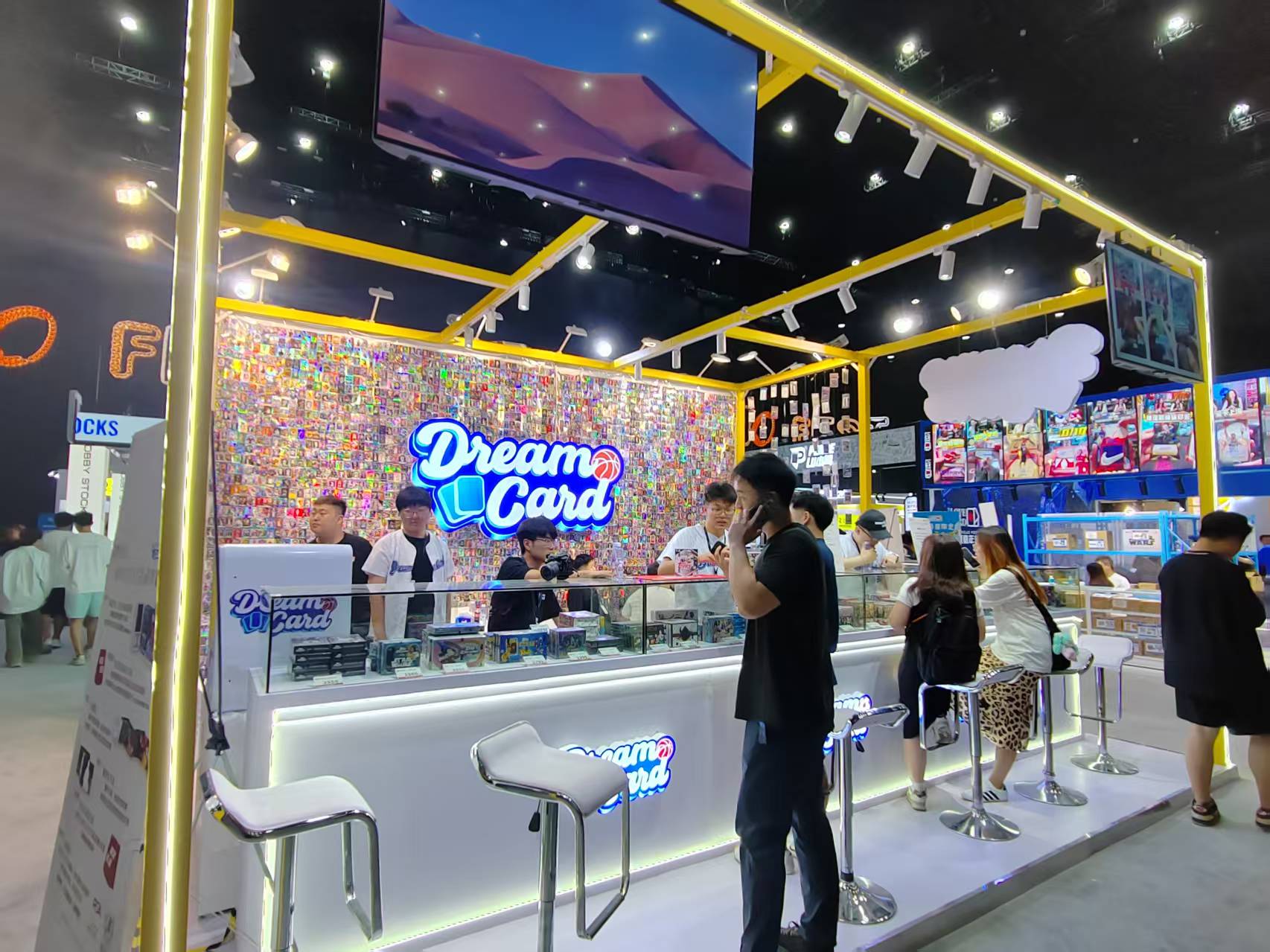
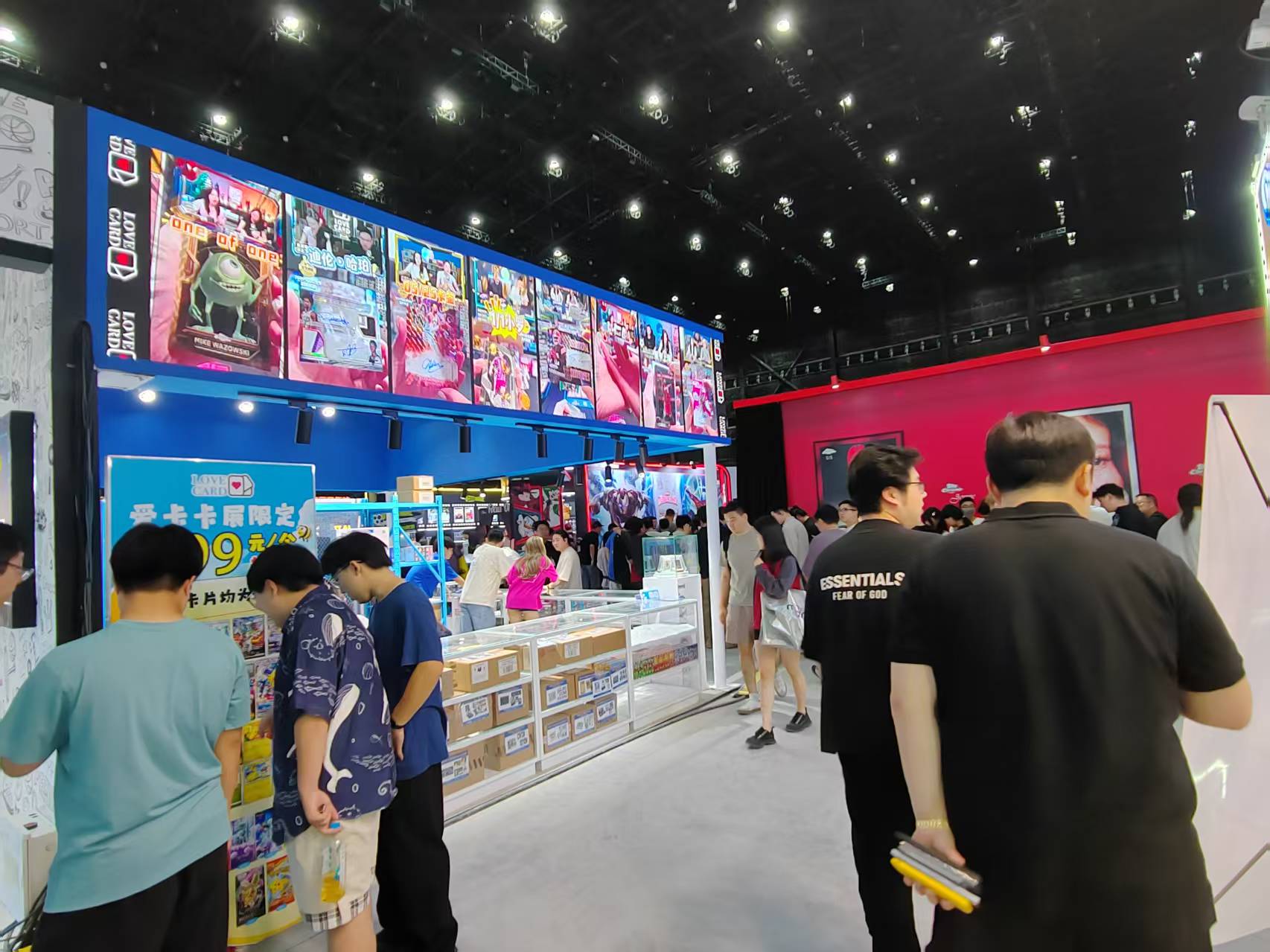
In fact, this booming sector can no longer be dismissed as a niche, insular hobbyist trend. At the recently concluded 2026 MOJO FEST collectibles carnival, this reporter witnessed first-hand the enormous momentum building in this fast-heating track.
As one of China’s largest trading card exhibitions, the flagship pop culture collectibles event drew more than 10,000 collectors, players and creators from across the world. The venue buzzed with interwoven business formats: card trading, pack openings, grading services and live commerce, with a constant stream of young attendees flowing through the halls.
Meanwhile, eBay, a core channel for Chinese trading card exports, made its debut at MOJO FEST, hosting an immersive eBay Live booth at the show.
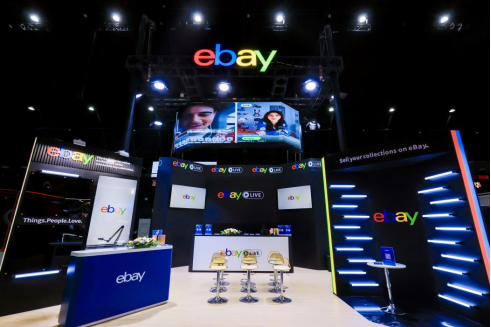
On site, this reporter spoke with multiple top Chinese eBay card sellers, leading domestic vertical trading platforms and veteran industry practitioners. Insights from these frontline players and merchants outline an increasingly clear industry trajectory: while early cross-border card trading often grew out of individual collectors’ personal hobbies, the business is now rapidly professionalizing, with a maturing service ecosystem spanning trading, warehousing, grading and live commerce.
At the same time, mismatched supply and demand across overseas markets, accumulated domestic card inventory in China, and increasingly sophisticated trading infrastructure are creating a steady pipeline of new opportunities.
As of 2026, what stage has the cross-border card export sector reached? What fundamental drivers are powering the rise of Chinese sellers? What new opportunities are emerging across this still-expanding market? And is now still a viable entry point for players who remain on the sidelines?
01 From hobbyists to professional merchants: The cross-border card track matures at speed
How did cross-border trading card exports first get started?
The answer is simpler than many expect: many early participants were just collectors first.
Meng Fei, Senior Category Manager for Collectibles at eBay, told Ebrun that when the card category first took off on the platform several years ago, a large share of sellers were avid collectors themselves. Their first interaction with eBay was rarely driven by business intent, but by their passion for collecting: they first browsed the platform to source cards for their personal collections, before gradually realizing this niche hobby could scale into a global business.
This trajectory is particularly visible in two high-profile guests at MOJO FEST.
Edison Chen, special celebrity guest and co-founder of MOJO FEST, is a long-time eBay user. Speaking at the event, he shared that he began sourcing cards on eBay very early on, and regularly watches eBay Live streams. For him, one of eBay’s biggest draws is the ability to find cards of widely varying styles from sellers across every corner of the globe.
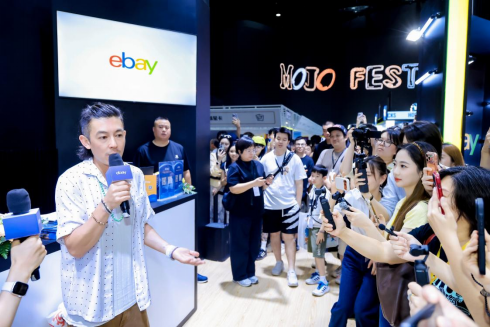
David Chau, founding partner of MOJO FEST and a key promoter of trading card collecting culture, shares a similar background.
"As a long-time eBay user of many years, most of the rare pieces in my early collection came from eBay," Chau said. His early experiences trading cards with fellow collectors worldwide on the platform would later become a core inspiration for launching MOJO FEST.
To this day, he still opens eBay daily to search for coveted pieces for his collection; most recently, he won an auction for the most expensive hockey card in his collecting career on the platform.
But if early cross-border card trading was defined by hobbyists building businesses around their personal interests, the industry has undergone a clear shift after its rapid pandemic-era growth: an increasing number of professional players and institutional players are entering the space.
Today, a cohort of specialized service providers have emerged to offer proxy purchasing, consignment sales and proxy bidding services for card transactions. At the same time, many sellers who previously operated in other cross-border e-commerce categories have pivoted into the trading card track. On the other end of the spectrum, previously independent small and medium-sized sellers have begun to team up, launch joint ventures, and even form incorporated companies together.
As a result, the profile of cross-border card sellers is shifting: from early hobbyists motivated purely by passion, to specialized service providers, veteran cross-border sellers, and large-scale institutions, the division of labor across the value chain is growing increasingly defined.
Veteran sellers like Jamison have a front-row seat to these industry shifts.
"I registered on eBay in 2000, and I’ve been selling sports cards on the platform for 26 years," Jamison told Ebrun. He noted a very clear trend in recent years: a growing number of domestic card shops and dealers based in China are expanding their reach to overseas markets.
The reasoning is straightforward: card pricing and liquidity vary significantly across markets. Citing select Disney IP cards as an example, Jamison observed that the exact same card can sometimes trade for half, or even one-third, of its overseas market price on China’s secondary market, while overseas markets boast far stronger liquidity. "For many cards, selling cross-border is the only path to achieving a high-value sale," he noted.
It is not just individual sellers joining this export wave, either.
Jihuanshe, one of China’s largest TCG (trading card game) trading platforms, is prioritizing expansion into Southeast Asia and Japan. Its founder Shi Ling told Ebrun this strategy aligns with the platform’s core business DNA: Jihuanshe first launched focusing on "playable cards" — cards designed primarily for competitive TCG play, which typically have looser condition requirements, and are often ungraded, unslabbed raw cards.
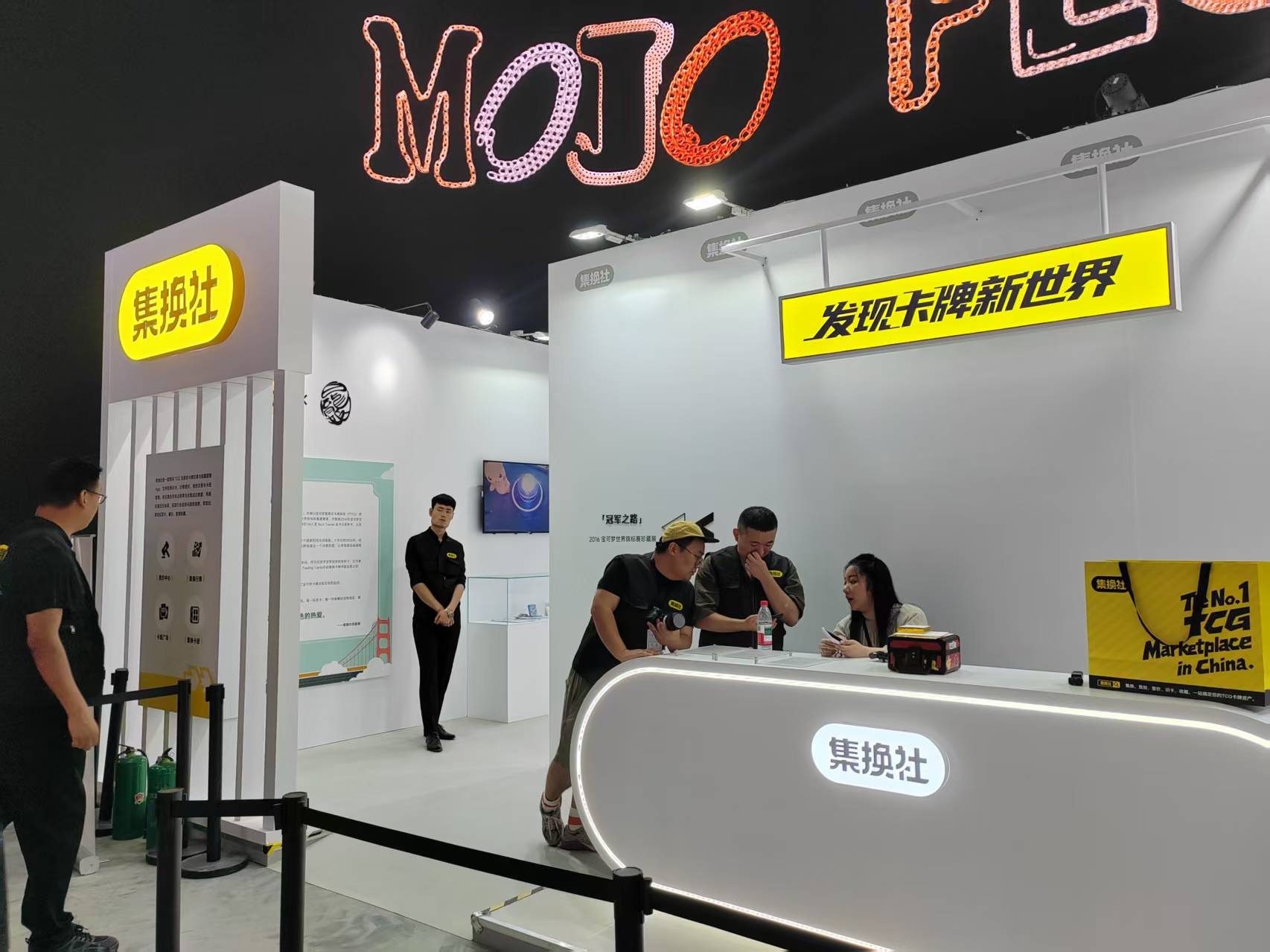
As such, when evaluating overseas markets, the platform does not only look at the total size of local card players; it prioritizes the scale of the local competitive TCG player base, and whether existing specialized players in the market already focus on playable card verticals.
Japan and Southeast Asia were selected as launch markets for overseas expansion precisely because they fit these criteria: Japan is one of the cultural birthplaces of TCG, with a massive, established player base, while Southeast Asia represents a high-growth market where no specialized players or institutions currently focus on the playable card segment.
"When we enter these local markets, we want to build out core ecological infrastructure for the local card community, doing work that has not been done before," Shi said.
02 The rise of Chinese sellers is underpinned by durable structural opportunities
The rise of Chinese sellers is not driven by a single fleeting trend, but closely tied to years of accumulated trading card inventory built up in the Chinese market.
Around 2020, huge volumes of card packs from overseas manufacturers including Panini and Topps flowed into the Chinese mainland, where they were opened and collected by domestic players, forming a large, deep pool of card inventory.
Critically, there is inherent mismatch between this Chinese inventory pool and overseas market demand: players across different countries and regions favor different IPs, athletes, sports and even card editions, while the market popularity of any single card can shift dramatically across different time periods.
This mismatch creates a unique opportunity for sellers: source inventory in markets where prices are relatively low, and resell into markets with stronger demand where buyers are willing to pay a premium. This information arbitrage was the core early advantage for many Chinese sellers entering the cross-border card space.
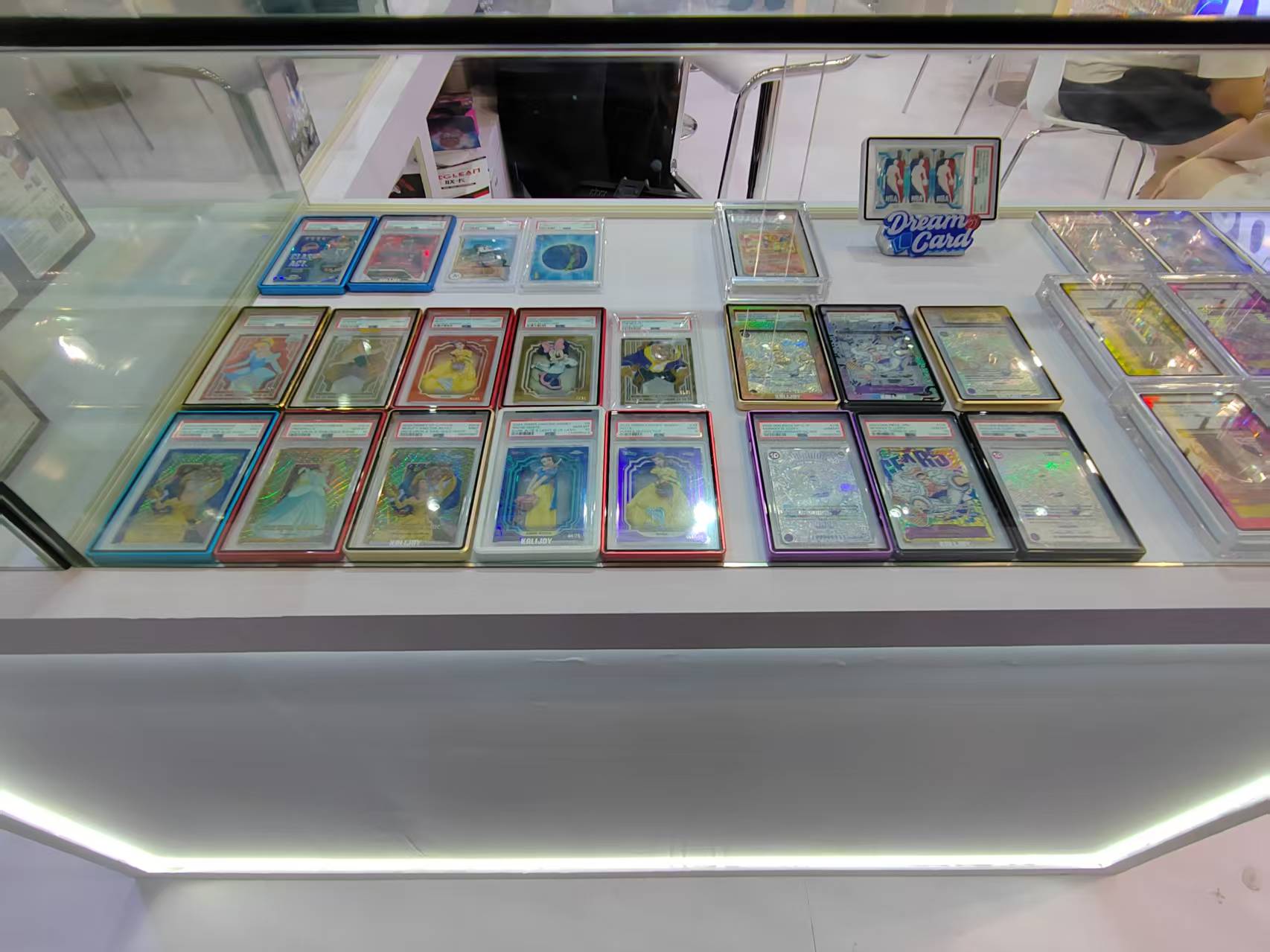
Pokémon cards are a textbook example.
Several years ago, when official Simplified Chinese Pokémon cards first launched, their market performance was relatively muted. But as a global "Pokémon investment boom" took hold in overseas markets, the previously undervalued Chinese-language cards began drawing attention from international collectors, with high-graded Chinese editions selling for far higher prices overseas than they commanded in the domestic market.
For sellers, shifts in market hotspots translate directly into recurring new opportunities. Allen, operations lead at top eBay seller Metaverse Cards, has seen this dynamic first-hand.
He told Ebrun that when the company first launched its cross-border card business several years ago, domestic players in China favored basketball and football soccer cards, while categories including American football, baseball and hockey had far more mature, established consumer bases in Western markets. "There was huge demand mismatch across markets, which created a clear opportunity for us," he said.
Today, Metaverse Cards lists roughly 1,000 card collectibles on eBay daily, and has seen multiple high-value cards sell for five-figure US dollar sums this year.
Unlike many other consumer goods categories, trading cards do not require a fast-turnover "buy and flip immediately" operating model.
Meng noted that because card prices shift based on athlete performance, tournament outcomes, IP popularity and broader market sentiment, many sellers opt to acquire cards and hold them long-term to wait for price appreciation.
This logic is particularly pronounced in the sports card market.
Rookie Cards — cards issued in a player’s first year in a professional league — have long been a core focus of the collectibles market, because the future performance of new athletes is unproven: if a rookie goes on to become a superstar, their early cards can appreciate exponentially.
Xiao Xiong, founder of Zebra Trend Toys’ Shanghai store, shared a clear example: in 2024, NBA player Anthony Edwards delivered a standout playoff run, and the price of one of his base cards jumped from single-digit yuan to RMB 100-200, a multi-decade price increase.
This dynamic explains a unique seller profile in the card market: some collectors may only close a handful of transactions, or even sell just a few cards per month, but by accurately timing market shifts, they achieve extremely high average order values — a classic "go three years without a sale, and live for three years off one deal" model.
At the same time, the rise of Chinese domestic card publishers is creating new opportunities for sellers operating globally.
In recent years, Chinese card brands have brought hit IPs and innovative card gameplay to global markets: titles including Naruto cards from Kayou and Disney cards from Kakawow have begun drawing attention from overseas collectors.
One industry observer noted that some US collectors initially bought Chinese brand cards on a trial basis, only to find the production quality, design and gameplay far exceeded their expectations after opening packs. For sellers based in China with deep familiarity with overseas platforms, this home-turf advantage is becoming increasingly tangible.
He noted that there are now two core product sourcing directions for cross-border card exports: Chinese-language editions of cards released by mainstream overseas publishers, and globally popular IP cards released by Chinese manufacturers.
03 Live auction bidding, localized product selection, vertical services: What new opportunities exist for cross-border card exports?
Traditional static storefronts have long dominated card trading, but live commerce is now rapidly gaining traction.
At MOJO FEST, the eBay booth drew massive crowds, with a steady flow of young attendees. Many sellers launched eBay Live streams directly from the show floor, opening packs, showcasing cards and closing transactions with global buyers in real time.
In fact, live auction bidding is one of eBay’s core priority new models for this year: the platform offers preferential commission rates for transactions closed via live streams, significantly lower than fees for traditional static storefront sales.
Meng shared that live commerce sales have grown rapidly since the start of 2026. For the trading card category specifically, GMV generated by in-app live rooms has grown at a near-linear month-over-month pace, with extremely strong momentum. In the US market, live rooms benefit from abundant organic traffic, making the format very accessible for new sellers testing the space, and the platform plans to allocate even more traffic to eBay Live going forward.
For frontline sellers, the revenue-generating power of live auctions is immediately visible. Jamison observed that in some overseas live rooms, cards priced at $500, $1,000 or even higher can sell in as little as 30 seconds of bidding.
"Selling thousands of dollars worth of inventory in 30 seconds is a common occurrence in live rooms," Jamison said, noting that this level of transaction efficiency is hard to achieve even for top domestic live commerce streams in China. Chau is similarly bullish on the model, noting that eBay Live has become a critical channel to reach overseas collectibles communities, and could eventually evolve into one of the mainstream trading formats for collectibles.
But live streaming is only an evolution of transaction formats. For Chinese sellers, a far more critical question that determines long-term business scale is whether they can accurately understand what overseas players actually want.
Xiao Xiong has seen this gap first-hand. He notes clear differences in purchasing habits between overseas consumers and domestic Chinese players: for example, overseas buyers are far more likely to purchase already graded cards, and place higher value on low-print-run scarce cards; in terms of transaction formats, they also have higher acceptance of fixed-price "buy it now" listings, with some collectors even willing to submit high premium offers outright. More importantly, card collecting culture has a far longer history in overseas markets, meaning player interests have fragmented into extremely targeted niches. "Many players now focus on hyper-specific niche segments, even collecting only cards for a single team or a specific individual player," he explained.
This means it is not just household-name superstar cards that hold value in overseas markets: relatively obscure players that draw almost no attention from domestic Chinese collectors can have dedicated, loyal collector bases abroad. For sellers, if they can accurately identify these niche audience segments, they do not need to compete for the most hyped superstar cards with every other seller, and can carve out a strong position in more targeted vertical segments.
Beyond product selection and transaction formats, value-added services built around card trading are also emerging as a standalone business.
Among MOJO FEST exhibitors was Yuncardku, a specialized service provider for card trading. Its business lead told Ebrun that the company operates on the foundation of overseas physical warehousing, offering one-stop services including proxy purchasing on overseas platforms, consignment sales, storage and grading.
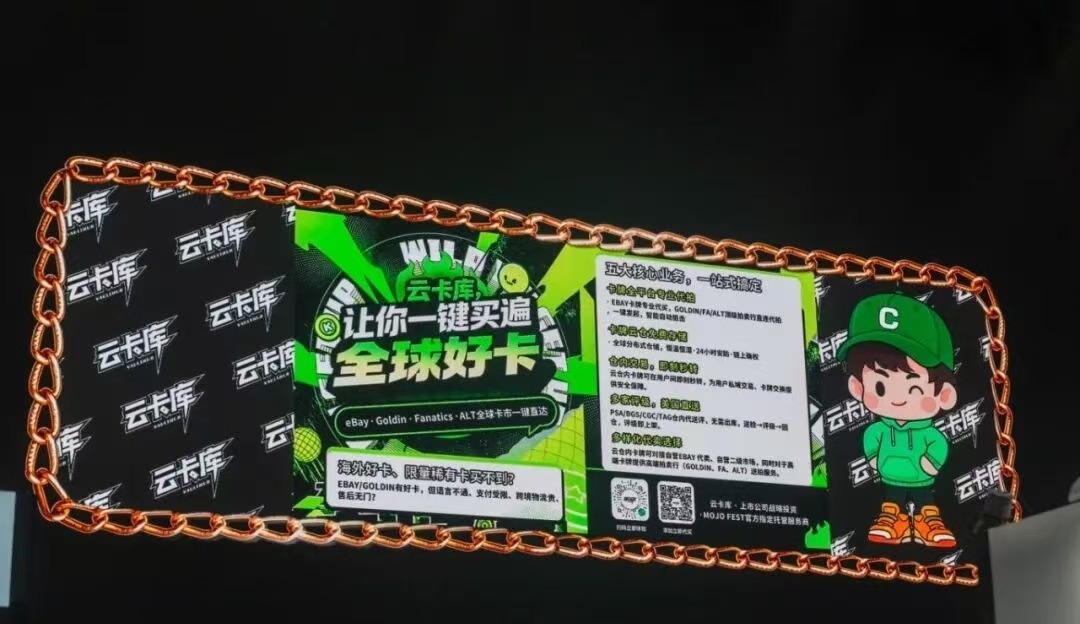
On the supply side, Yuncardku aggregates full-category card inventory from eBay; on the warehousing side, it operates a distributed professional warehouse network across China and overseas, with a focus on serving high-value collectibles. To address core collector pain points, the firm offers custody, ownership verification, drop-shipping and collateralized financing supply chain services, aiming to enable a model where "cards stay in storage, ownership transfers, transactions close within the warehouse, and no physical shipping is required" between trades.
In short, live auctions are reshaping transaction models, localized product selection is reshaping seller operating strategies, and specialized service providers are filling gaps in the underlying infrastructure for card trading. As the industry value chain grows longer, seller expectations for platforms are also evolving.
04 From transaction platform to collecting ecosystem: What support do card sellers need?
For card sellers, platforms are no longer just digital storefronts to list inventory and wait for buyer orders. Especially as individual card values continue to rise, authenticity, condition, grading, warehousing and transaction security have all become critical factors impacting conversion.
Recognizing this trend, eBay has made a series of moves in recent years to expand its reach across the upstream and downstream of the card industry value chain.
For example, the platform acquired TCGplayer, the dedicated TCG trading marketplace, and Goldin, the high-end collectibles auction house, and formed a strategic partnership with Collectors, the parent company of PSA, the world’s leading third-party authentication and grading agency. Spanning trading, grading and high-value auctions, eBay is gradually connecting the fragmented card services previously spread across separate institutions. The platform has also integrated AI tools into card trading scenarios, launching the Card Ladder market intelligence module alongside AI-powered listing and smart pricing features to help sellers reduce day-to-day operational costs.
But the real value of these tools ultimately depends on seller feedback, which Jamison confirms is positive.
"Across all collectibles trading platforms, eBay has the most robust dual-sided protections for both buyers and sellers," he said, highlighting two particularly high-value tools.
The first is the Authenticity Guarantee (AG) service.
For sports cards, authentication is a baseline requirement for transactions, especially as individual card values rise: both buyers and sellers need an independent verification step in the transaction process. Jamison noted that AG adds professional authentication to transactions, providing greater assurance for both parties.
The second is eBay Vault, the platform’s secure storage service.
As sports card values rise, storing and protecting high-value cards is a major pain point for ordinary sellers. Via the Vault, sellers can store high-value sports cards in secure, insured facilities.
Critically, once a card is stored in the Vault, subsequent transactions do not require additional physical shipping: ownership transfers and secondary sales can be completed directly within the Vault system. For high-value collectibles, this means fewer shipping touchpoints, and far lower risk of damage or loss in transit.
Put simply, the professionalism of the card trading service ecosystem has improved dramatically compared to the early "wild west" era of the market. And on the demand side, new sales records continue to be set on an ongoing basis.
05 As sales records continue to fall, is the cross-border card export market still in its dividend window?
In the first half of 2026, collectibles transactions on eBay continued to hit new highs.
Sports cards delivered particularly strong performance: a Michael Jordan card sold for a record $4.3 million; amid World Cup season, World Cup sports card transaction volume on eBay rose more than 780% compared to the start of the year, with Lionel Messi remaining one of the most actively traded players — his gold Kaboom card recently sold for nearly $40,000.
Chinese card sellers delivered standout performance during the tournament cycle, with average order values for soccer collectible cards nearly 40% higher than the platform-wide average, and a top single transaction value of $30,000.
The TCG market also remains red-hot. 2026 marks the 30th anniversary of Pokémon cards, with prices for popular character cards remaining a key market focus, and sales of Pokémon-related products on eBay posting clear growth. Another blockbuster IP, One Piece, will celebrate its 30th anniversary next year, and its Simplified Chinese one-year anniversary series is already drawing attention from global collectors.
At the same time, film and TV IP and designer toy cards are emerging as new growth drivers, with rising popularity for cards tied to IPs including Spider-Man, Star Wars and Harry Potter.
From sports cards to TCGs to film and TV IP, hotspots across the card market are growing increasingly diverse. For Chinese sellers, platforms are also rolling out more supportive incentives.
This year, eBay launched sales incentive policies and elite auction traffic support programs for its collectibles business, and continues to expand eBay Live, with the goal of helping sellers reach global collecting communities.
Meng, eBay’s Senior Collectibles Category Manager, noted that as the market grows more professional, the platform aims to attract more domestic professional institutions and leading large sellers to provide more stable, guaranteed inventory for overseas consumers. "The platform now welcomes professional domestic institutions and capable large sellers to enter this market, provide more secure, reliable products for consumers, and grow the overall market pie together," she said.
So, for players who have not yet entered the space, is now still a good time?
For Chau, as of 2026, the cross-border card export market is far from mature, and remains in a high-growth, early development phase. "Entering now is the best possible time for anyone, and there is still a very long growth runway ahead," he said.
Ebrun will continue to track and report on this sector. For more related information, please scan the QR code to follow the author’s WeChat account.

This article was first published on the official Ebrun website.
[Copyright Notice] Ebrun advocates respecting and protecting intellectual property rights. Without permission, no one is allowed to copy, reproduce, or use the content of this website in any other way. If any copyright issues are found in the articles on this website, please provide copyright questions, identification, proof of copyright, contact information, etc. and send an email to run@ebrun.com. We will communicate and handle it in a timely manner.
Translated by AI. Feedback: run@ebrun.com