
How Can Auto Parts Businesses That Don’t Chase 'Viral Hits' Build a Moat in Cross-Border E-Commerce?
【Ebrun Original】Batches of auto parts, packed and sorted into individual boxes, are stacked in the factory’s shipping area. The buyers are Amazon sellers, who will distribute the products to overseas markets after they leave the factory.
This scene, taking place at the plant of Zhejiang Tieyin Auto Parts Co., Ltd. (hereafter "Zhejiang Tieyin"), is playing out across numerous auto parts manufacturers. The entire auto parts industrial cluster behind these enterprises is tapping into incremental demand in overseas markets via cross-border e-commerce channels.
China’s auto parts industry is now valued at more than 5 trillion yuan, and one out of every three auto parts in the world is made in China. Zhang Xiaoping, president of the All-China Federation of Industry and Commerce Automobile and Motorcycle Parts Chamber of Commerce, commented on this trend: "This multi-trillion-yuan overseas market is a realistic option for every auto parts enterprise. What everyone needs to figure out is 'how to go global in the right way'."
Amid the broader wave of globalization, industry players are sensing a shift in the competitive logic of the auto parts sector. Zhejiang Hongguan Technology Co., Ltd. (hereafter "Hongguan Technology") has been rooted in the auto parts industry for nearly 40 years. Li Hui, the company’s operations director, put it bluntly: "Previously, we competed on price, but now everyone is competing on service, quality, and brand building."
After moving away from the 'low-price, high-volume' playbook, how can auto parts enterprises sustain their global expansion? Recently, the Amazon Global Selling National Auto Parts Industrial Cluster Global Expansion Innovation Summit was held in Rui’an, Wenzhou, known as the "Capital of China’s Auto and Motorcycle Parts". Enterprises from multiple auto parts industrial clusters across the country gathered to discuss breakthrough paths for the globalization of China’s auto parts industry.
Unmet Market Demand Coupled with Robust Consumption Makes Cross-Border Expansion Ideal for the Auto Parts Sector
Unlike general consumer goods, the auto parts industry, which focuses on the automotive aftermarkets, has unique characteristics, with its development trajectory closely tied to vehicle ownership. A single car has tens of thousands of components, and parts vary across every model on the market, translating into a massive pool of SKUs for auto parts enterprises to choose from.
According to a relevant representative from Amazon Global Selling, there are currently 1.6 billion vehicles in use worldwide, and the global automotive aftermarket has reached $674.6 billion in size. From the online channel perspective, the global e-commerce automotive aftermarket is projected to hit $86.4 billion in 2025, with a compound annual growth rate of 13.2% — roughly four times the average growth rate of the overall industry.
In addition, vehicles have long lifecycles, and older cars require more parts, generating sustained and stable purchase frequency for auto parts. The representative added that average vehicle age in developed countries continues to rise, driving strong demand for the automotive aftermarket, but online penetration remains low. Take the U.S. as an example: the average vehicle age has reached 12.8 years, but online penetration of auto parts is only 22%, far below the 45% penetration rate of mature product categories. The untapped online market space and rapid industry growth point to enormous growth potential for auto parts cross-border e-commerce.
The high average order value of auto parts also translates to higher profit margins. Li Congbin, general manager of Douzi Technology (Wenzhou) Co., Ltd., shared data scraped from Amazon on auto parts sales: "The average gross margin of auto parts products on Amazon is above 60%."
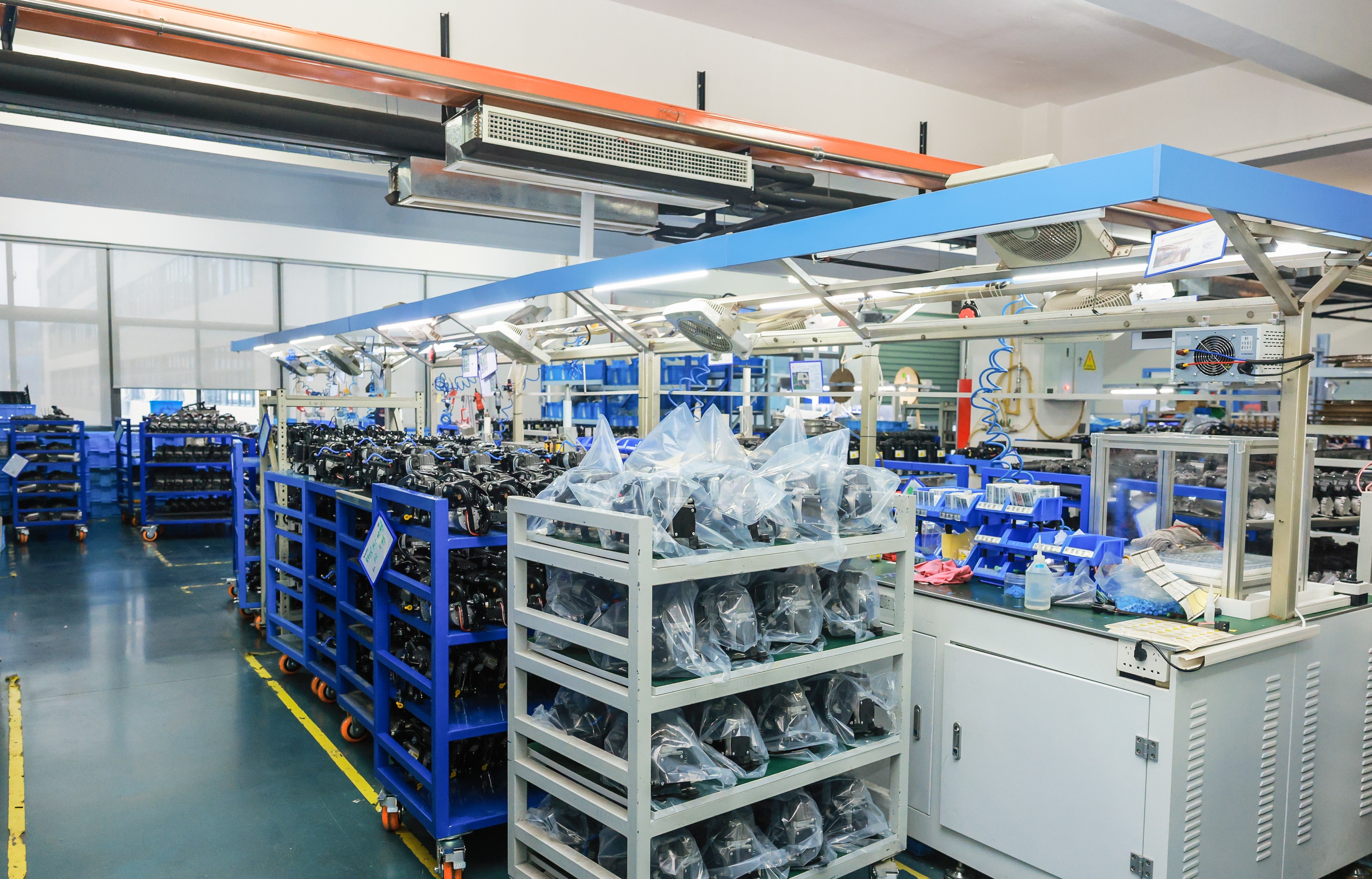
Enterprises operating cross-border auto parts businesses have reaped tangible benefits from the industry’s growth. Guangzhou Wanxi Auto Parts Co., Ltd. (hereafter "Wanxi Auto Parts") launched its cross-border e-commerce business in 2022. Last year, its cross-border revenue reached approximately 70 million yuan, with Amazon GMV growing by more than 90%. Positive market feedback has led to an optimistic outlook for the company, which plans to achieve 2.5x growth this year.
Faster last-mile delivery speeds are also driving a shift in auto parts purchasing habits from offline to online. Tian Qianxian, general manager of Wuhan Yibaitu Information Technology Co., Ltd. (hereafter "Yibaitu"), explained this trend: Consumers want to fix faulty car parts as quickly as possible. In the past, offline markets had a clear edge over online channels in terms of delivery speed, but as that gap narrows, online markets offering a wider range of long-tail products are gaining more favor. Yibaitu’s online business expanded from its original offline operations. To meet delivery speed requirements, Yibaitu has also set up overseas warehouses in the U.S.
Reportedly, the current cross-border auto parts market is mainly concentrated in North America and Europe, while markets such as Mexico, Russia, and Brazil remain underexplored. Li Zehao, operations director of Wanxi Auto Parts, noted that these overseas markets "have a high proportion of gasoline or hybrid vehicles, with very low penetration of pure new energy vehicles," so the impact on traditional gasoline vehicle parts is minimal for now, "but it will gradually increase over the next five years."
China’s industrial cluster foundation provides strong support for auto parts globalization. There are currently 6 core auto parts industrial clusters in China. Take Rui’an as an example: it is home to more than 6,000 auto parts enterprises, with manufacturing density and industrial cluster completeness that are hard to replicate in the short term. More than 90% of all vehicle components can be sourced locally within a 30-minute drive, enabling rapid response to demand and flexible production characteristics. If a factory’s production line runs out of screws, they can be purchased nearby immediately, eliminating the time spent on stock transfers and resolving unexpected production issues promptly.
However, industrial cluster advantages do not equal global expansion capabilities. Zhang Xiaoping believes that backward operational awareness, talent shortages, and an immature service provider ecosystem are among the shortcomings holding back Wenzhou’s auto parts cross-border development. Wenzhou’s auto parts enterprises, which have long excelled at "focusing solely on manufacturing," need to catch up quickly. For instance, Zhejiang Tieyin set up a research and development team in Shanghai to develop parts for new energy vehicles, for a very straightforward reason — "it is easier to recruit talent in Shanghai than in Rui’an."
Quality, Compatibility, and After-Sales Service Underpin the 'Evergreen Products' of Global Auto Parts Expansion
The auto parts industry does not deliver quick returns. It is very rare for a set of engine parts to sell more than 100 units a month. The performance of a product is not measured by whether it becomes a viral hit; rather, developing 'evergreen products' that sell consistently over time is a far more practical goal for auto parts enterprises. "Auto parts is a very capital-intensive category with high sunk costs," Tian Qianxian noted. "Only those who can stay in the industry long enough to absorb the sunk costs and build up a certain brand effect can achieve meaningful results."
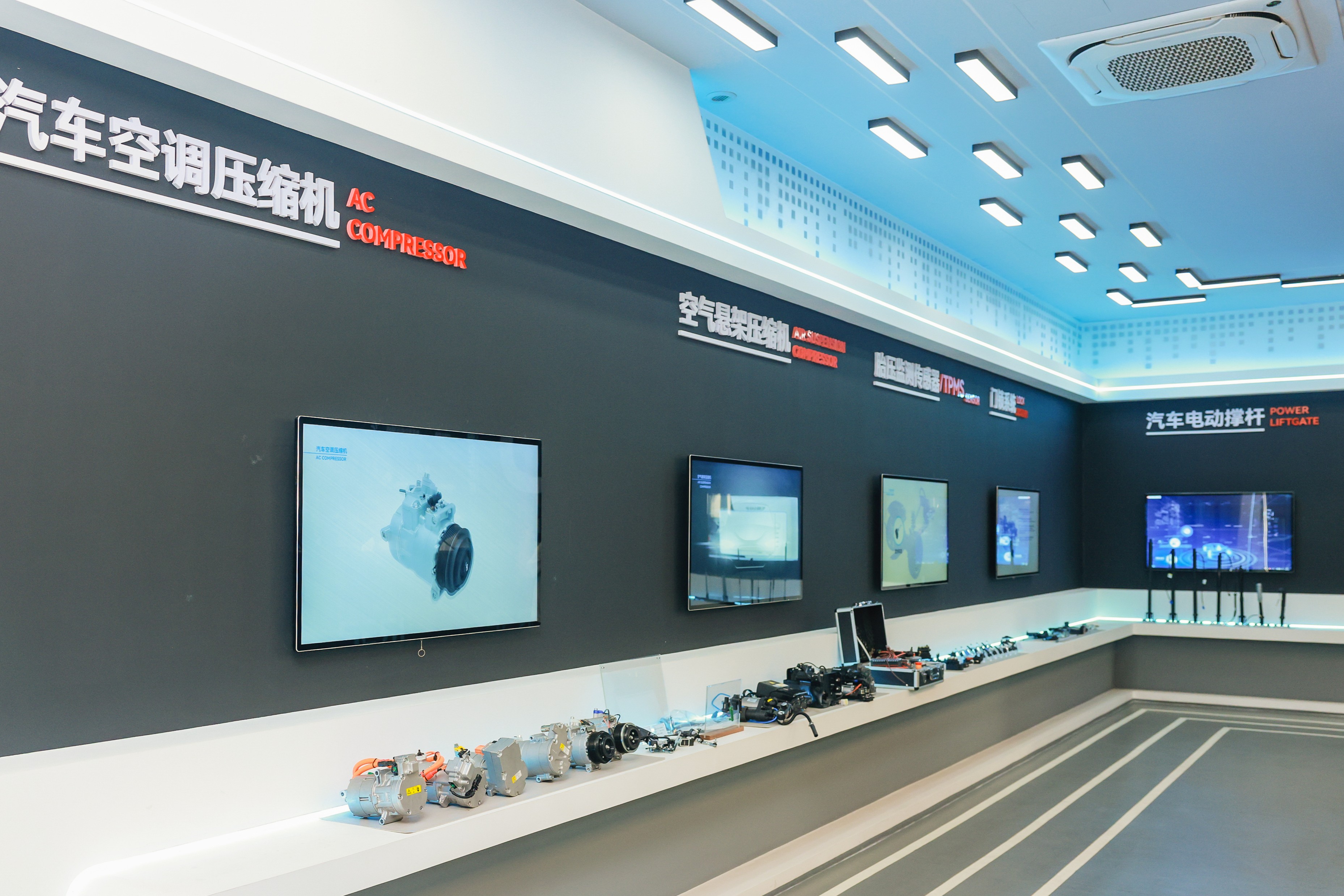
Against the natural advantage of a vast SKU pool, targeted category expansion following a '1+1+1' approach can drive enterprise growth. Leveraging its local industrial cluster advantages, Zhejiang Tieyin places great emphasis on product innovation and iteration. Hongguan Technology’s product development is based on market research, expanding its portfolio around compatible vehicle models. To tap into high-potential long-tail categories, A'erpa Auto Parts Technology Co., Ltd. prioritizes developing parts for vehicle models with an ownership volume of over 500,000 units to optimize capital efficiency.
Beyond being consumer goods, auto parts are also 'safety components'. While expanding SKUs rapidly, quality must remain uncompromised. There is no shortage of sellers on Amazon who have built single-store revenue to hundreds of millions of yuan, only to have their stores shut down overnight due to substandard quality. Drawing on these cautionary tales and the platform’s increasingly stringent audit rules, Tian Qianxian sees this as an opportunity: enterprises that prioritize product quality from the outset will build a stronger competitive foundation the longer they operate in the market.
Compliance is another threshold that cross-border auto parts businesses must cross. Certification regulations vary across markets, and solid compliance demonstrates a company’s professionalism to consumers. Whenever required by the platform or target markets, Zhejiang Tieyin provides all relevant certification documents. Song Xiangfei, the company’s general manager, is well aware that consumers may not understand the certifications, but "the value of these certificates far outweighs any other content on the product listing page." He believes customers will place sufficient trust in the product as a result.
Obtaining compliance qualifications not only demonstrates responsibility to consumers but also helps protect the enterprise. Yibaitu once received a complaint alleging that its product "spontaneously fell off at high speed," but the company was found not liable after submitting complete quality inspection reports to the platform and lawyers.
Even within the auto parts category, some products sell for hundreds of dollars, while others fetch thousands. The gap lies in how well a product meets user needs — "accurate compatibility is part of a product’s value." Through its operations, Wanxi Auto Parts has updated its understanding of auto parts premium pricing: consumers are willing to pay more for products that deliver certainty during the repair process and reduce the difficulty of problem-solving, helping users avoid rework and repeated disassembly and installation.
To develop these high-margin evergreen auto parts, enterprises need to shift from a passive mindset of waiting for customer demand to a proactive approach of seeking out market opportunities. Consumer reviews, search queries, return reasons, and repair feedback from cross-border e-commerce platforms are all valuable resources for understanding users. Li Zehao explained that the company uses this data to think from the user’s perspective, designing products around complete repair solutions, and has innovatively developed auto parts kits.
Users no longer need to purchase products from more than a dozen separate links to repair an engine and wait for each part to arrive one by one. Moving from simply selling products to defining products reflects Wanxi Auto Parts’ confidence in its product development capabilities after thoroughly understanding the market. This upgraded positioning also gives Wanxi Auto Parts the confidence to develop engine kits priced at $500 or higher, enabling it to escape vicious low-price competition.
After-sales service is the final step in product maintenance, but a critical touchpoint for improving user experience and building trust. Cross-border e-commerce consumers already do not want to spend excessive time and effort on repairs and modifications. Problems that arise after product installation add to their burden, making after-sales response speed critical to preventing user dissatisfaction from escalating.
Hongguan Technology specializes in modification parts, and has a clear understanding of its business: modification parts are not consumables, but optional purchases. In this context, enterprises must grasp consumer psychology and deliver excellent service. To ensure strong after-sales support, Hongguan Technology has a highly responsive after-sales team, and ships replacement products directly to customers from overseas warehouses.
Moving Beyond Going It Alone: Multi-Stakeholder Collaboration Streamlines Global Expansion Chains
Back-end trust maintenance relies on consumers’ initial recognition of products, but information mismatches between traders and front-end factories create trust gaps. Origin factories in industrial clusters have strong production capabilities, but trading sellers need products that solve car owners’ pain points. If information is not aligned between the two parties from the start, gaining consumer trust in products is already a challenge, let alone building a brand.
Collaboration is the optimal solution to this problem. Traders, in particular, should act as a 'translator' between factories and end consumers.
Xu Bendi, operations director of Rui’an Yedi Trading Co., Ltd., shared his views at the summit. He believes traders should synchronize feedback collected from platform end users with factories, and work with factories to make consumer-facing improvements to existing flaws. Leveraging the industrial cluster’s advantages to quickly produce and iterate on samples, traders can turn consumer pain points into differentiated product selling points and escape cutthroat homogeneous competition.
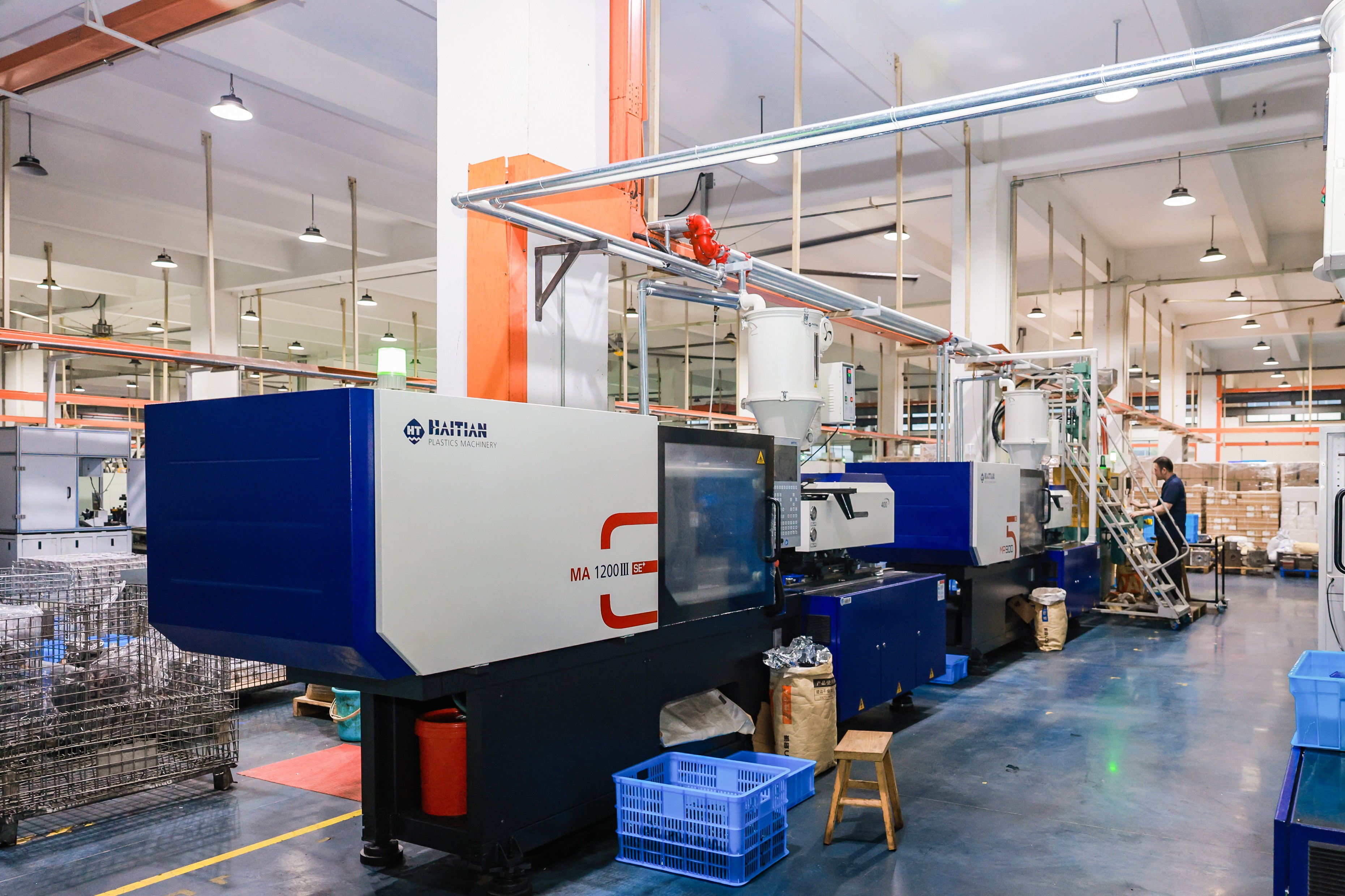
In addition to facilitating high-quality matching of supply and demand, joint operations must also take supplier interests into account. The certainty of collaboration with high-quality suppliers directly affects the stability of product delivery times and quality. Tian Qianxian noted that traders, who hold pricing power, must also consider the profit margins of factories — a critical factor for stable cooperation between traders and factories and the joint development of evergreen products.
Collaboration between traders and factories solves product production issues, but does not address market resource connection challenges. Even with high-quality products, enterprises still need to find ways to connect to global markets.
For traders, offline customer acquisition requires overcoming language barriers and exhibition participation costs, which are far higher than online acquisition costs. Reportedly, many new sellers start their cross-border journey on the Amazon platform, as its large user base makes it relatively easy to acquire traffic and customers, solving the biggest challenge for sellers in the initial stage.
According to a relevant representative from Amazon Global Selling, to support the global expansion of Wenzhou’s auto parts industrial cluster, Amazon will provide dedicated industrial cluster manager support and is exploring a dedicated cross-border service program for Wenzhou Amazon sellers to provide timely support to sellers looking to expand overseas.
The go-it-alone model of global expansion is becoming increasingly difficult, and long-term success in auto parts globalization requires industrial clusters to work together. With the joint efforts of the government, industry associations, and enterprises, multiple auto parts resource matching platforms have been established to lower the global expansion threshold for small and medium-sized auto parts enterprises, with clear characteristics of industrial cluster collective expansion.
The All-China Automobile and Motorcycle Parts Chamber of Commerce has led the development of the Shanghai International Auto Parts Permanent Exhibition Hall, positioned as a regular offline trade and product selection platform that complements online e-commerce platforms. Wenzhou Geerde Auto Parts Trade Port Co., Ltd. not only hosts product exhibitions for auto parts enterprises, but also receives domestic and foreign buyers, and secures overseas resources for local auto parts enterprises by participating in overseas exhibitions.
Auto parts enterprises incubated by industrial clusters also give back to the clusters after expanding globally. Wanxi Auto Parts is based in Guangzhou, an auto parts trade hub, while Hongguan Technology is a leading auto parts manufacturer in Rui’an. When developing products for global markets, they study products from top international brands, inject high-quality product information and development inspiration into the industrial cluster, and promote the upgrading of the entire cluster through resource sharing.
This article was first published on the official website of Ebrun.
[Copyright Notice] Ebrun advocates respecting and protecting intellectual property rights. Without permission, no one is allowed to copy, reproduce, or use the content of this website in any other way. If any copyright issues are found in the articles on this website, please provide copyright questions, identification, proof of copyright, contact information, etc. and send an email to run@ebrun.com. We will communicate and handle it in a timely manner.
Translated by AI. Feedback: run@ebrun.com