
The More Uncertain the Market, the More Certainty Supply Chains Must Deliver
【Ebrun Original】 As brand growth shifts from traffic competition to deep operational waters, the value of supply chains is being redefined.
Can warehouse and distribution systems promptly handle the order surges generated by a single livestream? Can inventory achieve true cross-channel synergy when online, offline, instant retail and B2B channels operate in parallel? When brands enter overseas markets such as Japan and Russia, can cross-border logistics, local fulfillment and return and exchange systems keep pace simultaneously? Amid growing operational variables, how can AI move from a technical concept into real business scenarios?
These questions all point to one conclusion: supply chains have become a critical foundation for brands to achieve stable operations and sustained growth.
On August 28, the "2026 Brand Supply Chain Innovation Private Board Meeting and 'ZTO Cloud Warehouse Night' Brand Salon", co-hosted by ZTO Cloud Warehouse Technology and Ebrun, was held in Hangzhou. Nearly 200 representatives from brand enterprises participated in the event, exchanging views on topics including brand globalization, omni-channel supply chains, cross-border fulfillment and AI digital intelligence.
Based on the sharing and discussions held that day, three key shifts are taking place in brand supply chains: globalization is evolving from "selling products abroad" to long-term market operation, supply chains are moving from back-end fulfillment to full-link value co-creation, and AI is advancing from single-point tools to specific business links.

01
Globalization Enters Deep Waters: Brands Need More Than Just New Markets
Globalization remains a key direction for Chinese brands to seek new growth, but the logic of overseas operations is changing.
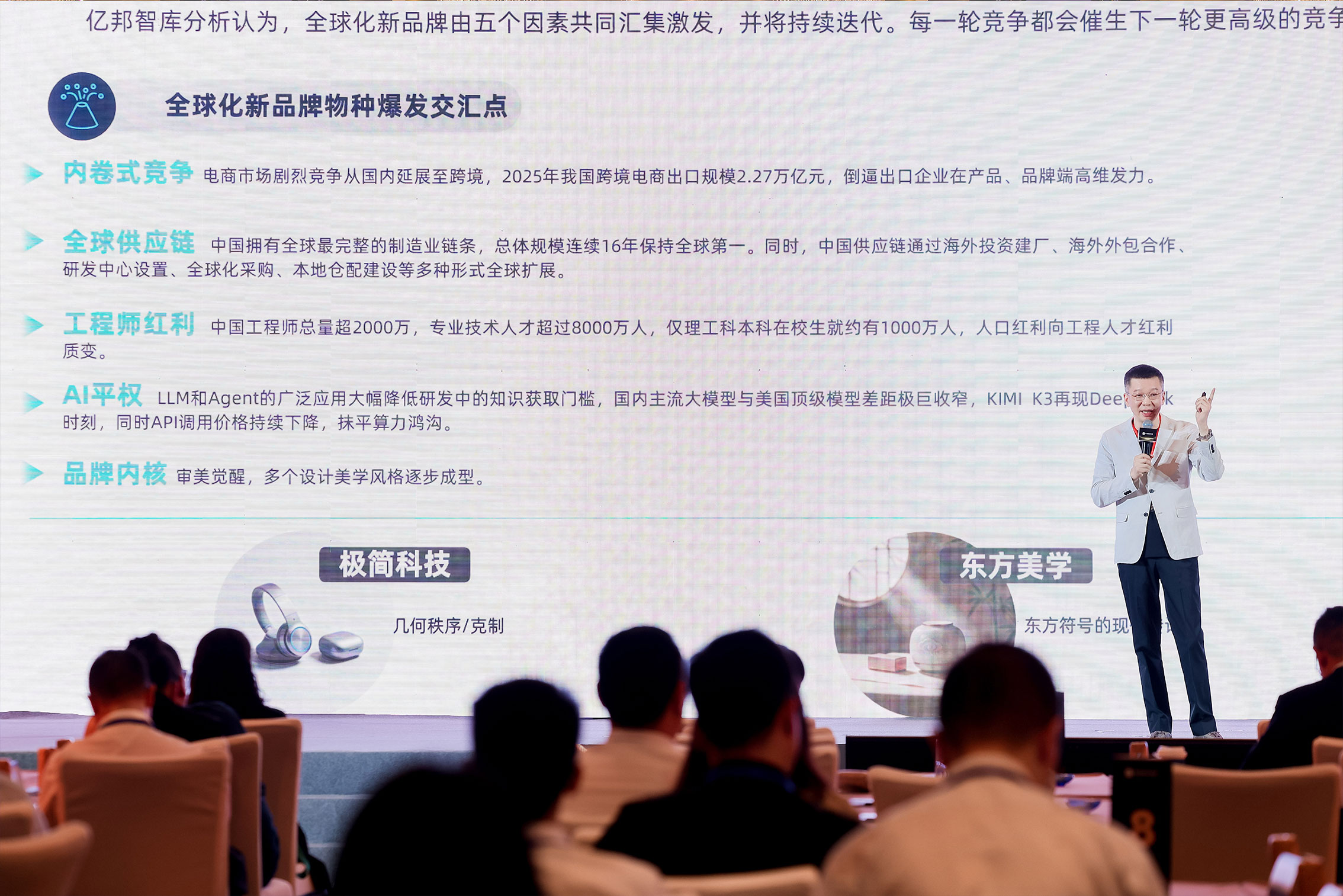
Zheng Min, Chairman of Ebrun and Dean of Ebrun Research Institute, analyzed the new environment facing Chinese brands' globalization in a speech titled "Trends in the Globalization of Brands and Supply Chains". Against the backdrop of simultaneous changes in market selection, product innovation, brand building and organizational capabilities, Chinese enterprises need to shift from single-market expansion to more diversified and resilient global layouts.
This means that going global is no longer just about copying mature products to overseas markets, but about re-understanding consumers, channels, fulfillment rules and brand relationships across different markets. Intelligent products, scenario-based branding, ecosystem-driven operations and supply chain stability are becoming key directions for Chinese brands to build long-term competitiveness.
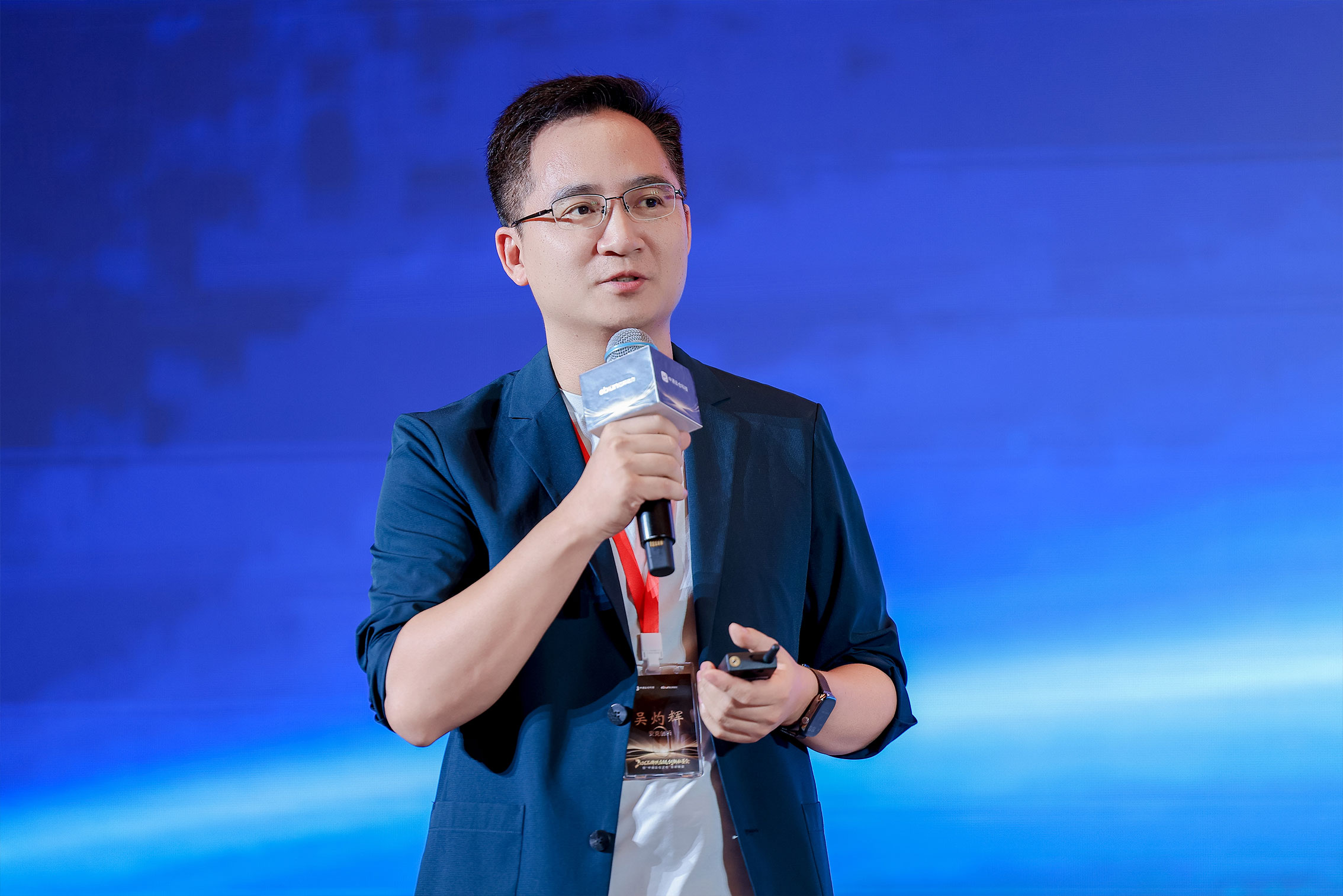
Wu Zhuohui, Vice President of Anker Innovations and CEO of Haei E-commerce, shared his insights on omni-channel, cross-market brand operation strategies based on the company's practical experience. When online platforms, brand independent websites and offline retail channels develop simultaneously, brands face not just an increase in the number of channels, but also coordination challenges across inventory allocation, sales pacing, user services and fulfillment systems. Only by building a mutually supportive operational network across different channels can brands expand market coverage while maintaining operational efficiency and user experience.
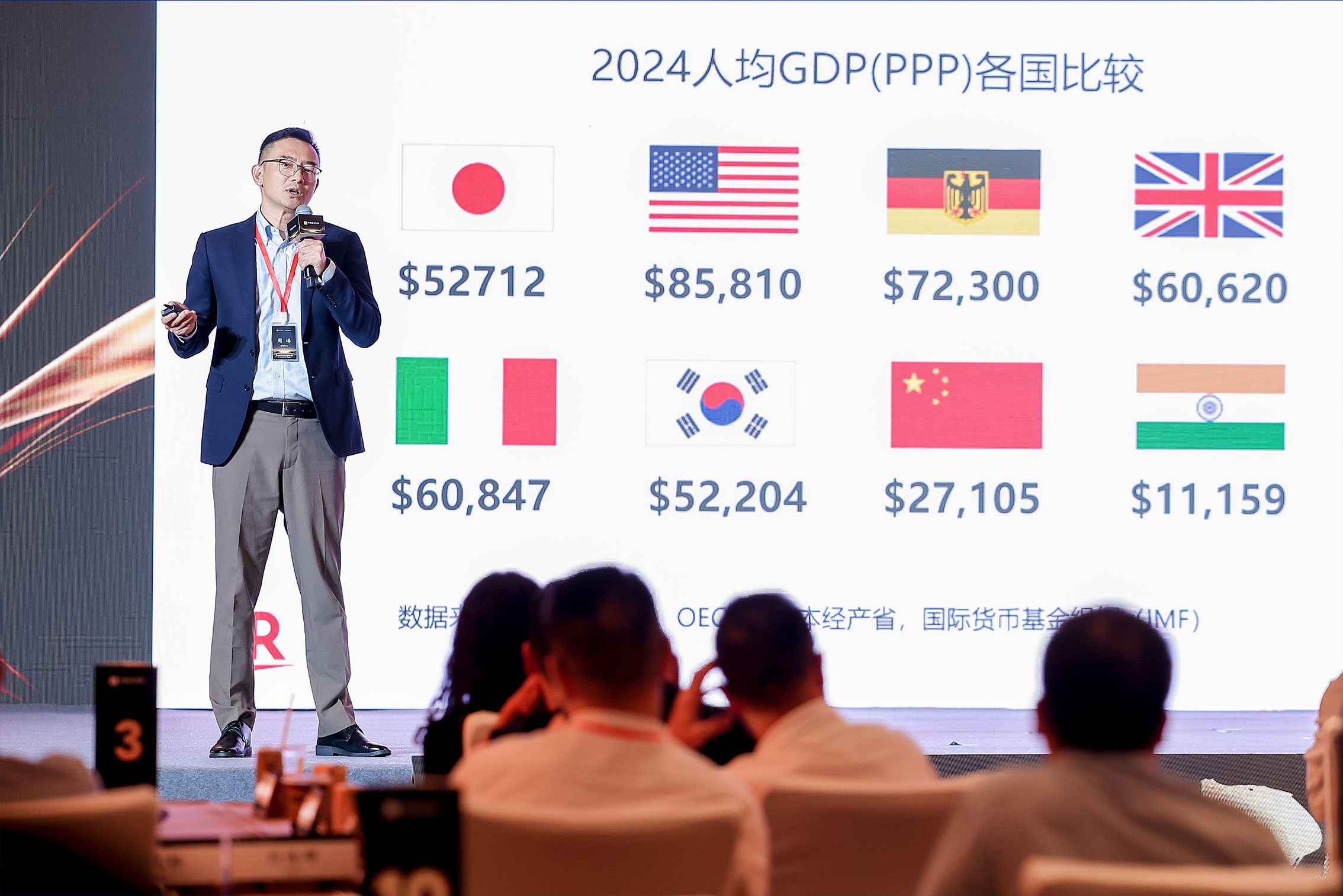
Different overseas markets also present their own operational characteristics.
Zhou Yang, Chairman and General Manager of Rakuten Cross-border E-commerce (China) Co., Ltd., shared the opportunities and capabilities that Chinese enterprises need to focus on when entering mature consumer markets, using the Japanese market as an example. Japan's e-commerce market has stable consumer demand and a relatively mature platform ecosystem, but to achieve long-term operations, brands still need to build systematic capabilities in product planning, content operation, user communication and local fulfillment. As platform services, AI operation tools and cross-border logistics systems continue to improve, the path for Chinese brands entering the Japanese market is evolving from "opening stores" to more refined, localized operations.
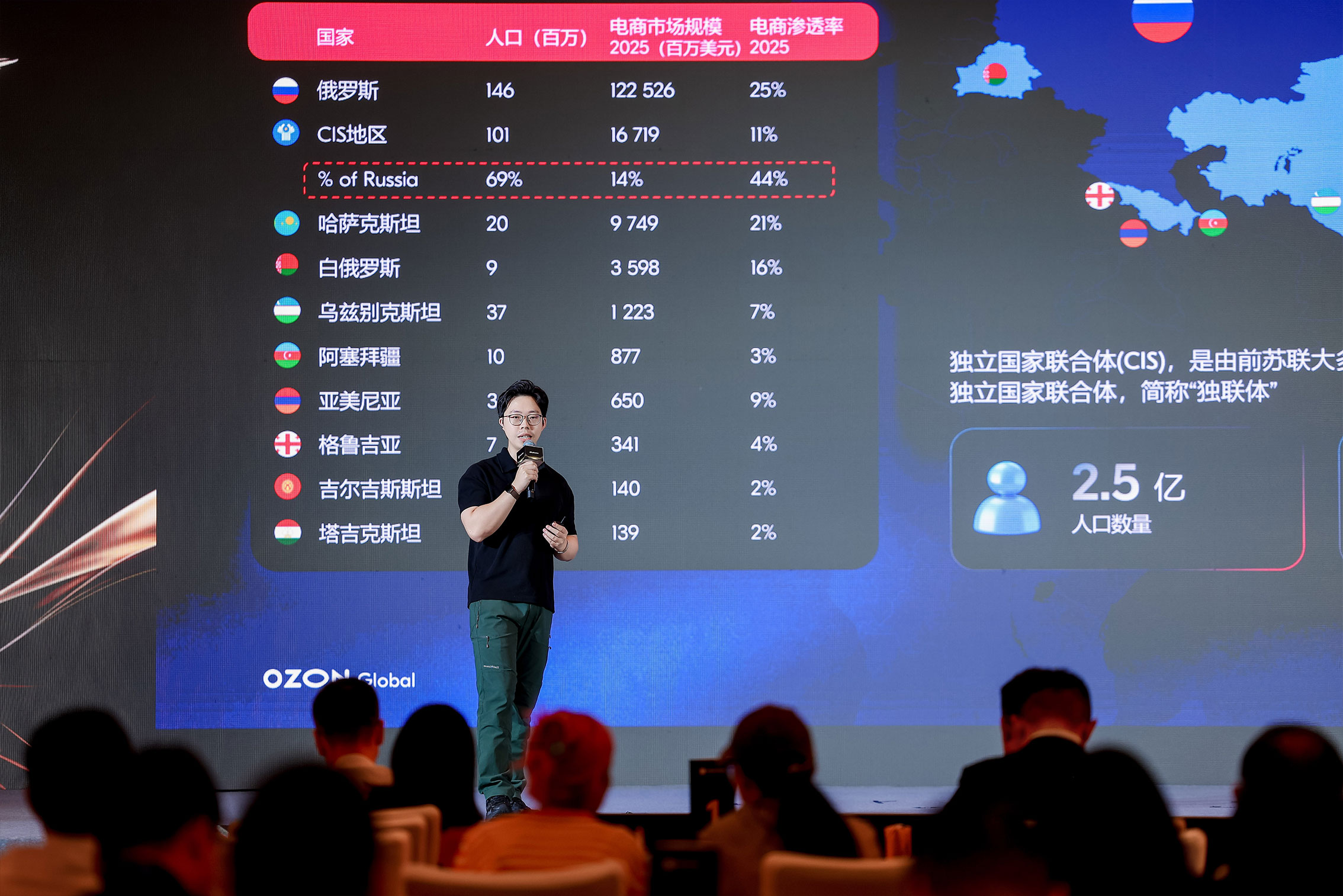
Charles from Ozon China analyzed e-commerce opportunities in Russia and Russian-speaking markets in a speech titled "Embark on a New Journey in Russian Markets, Unlock New Cross-border Growth". Against the backdrop of continuous development of platform infrastructure and fulfillment networks, Chinese merchants are gaining more diverse market entry methods. However, facing different product structures, pricing systems and logistics chains, enterprises still need to coordinate product selection, operation, stock preparation and fulfillment under a unified operational logic.
Whether entering mature markets like Japan or exploring emerging growth markets such as Russia, a common conclusion is: overseas markets cannot be operated by simply replicating domestic experience. Chinese brands can leverage their accumulated product, digitalization and supply chain capabilities, but must adapt them to local consumption habits, channel rules and fulfillment environments.
02
From Back-end Fulfillment to Value Co-creation: Supply Chains Move to the Forefront of Operations
If globalization determines where brands will go, supply chains determine whether brands can move forward steadily and sustainably.
Yao Huili, Executive President of ZTO Cloud Warehouse Technology, noted in his opening speech that brand competition is gradually extending from the front end to the back end. Front-end marketing determines how fast a brand can run, while supply chains determine how far a brand can go. As channels become more dispersed and demand fluctuations become more frequent, supply chains need to provide stronger certainty for brand operations.
This certainty does not simply mean increasing inventory or warehouses, but enabling inventory, warehouse networks, systems and fulfillment methods to adjust flexibly according to business changes.
Focusing on full-link value co-creation for fast-moving consumer goods brands, Guo Zhenqun, former General Manager of Omni-channel Retail at Procter & Gamble, shared changes in supply chain cooperation models from the perspective of supplier-retailer collaboration. Brands, retail channels and supply chain service providers are shifting from traditional transactional relationships to joint operations. Co-creation of products, packaging optimization, inventory sharing, collaborative forecasting and integrated fulfillment not only affect logistics costs, but are also directly related to product sales, consumer experience and capital efficiency.
This shift shows that the value of supply chains is no longer limited to "shipping goods out". Starting from product design and packaging, to inventory planning, warehouse and distribution execution and after-sales reverse processing, supply chains are participating in brand operations at an earlier stage.
In the roundtable discussion on "How Brands Build High-Resilience Omni-channel Supply Chains", Mai Haochao, Dean of Ebrun Research Institute, Yao Huili, Executive President of ZTO Cloud Warehouse Technology, and guests from BJHG, Zhimei Group and an international beauty group discussed omni-channel supply chains from different business scenarios including streetwear brands, beauty products and global operations.

The key focus of the participating guests was no longer whether to deploy multiple sales channels, but whether the inventory, systems and fulfillment capabilities behind different channels can achieve true synergy.
For streetwear brands, the increase in SKUs, IP co-branding and small-batch fast response impose higher requirements for supply chain flexibility; for beauty brands, shelf-life management, compliance requirements, inventory early warning and reverse logistics directly affect the quality of operations in overseas markets; for brands going global, how to divide labor between in-house capabilities and professional third-party services has also become an important topic in supply chain system design.
Therefore, omni-channel supply chains should not be simply understood as "the same product, same warehouse, same fulfillment for online and offline channels". The true meaning of "omni" covers three dimensions: channels, regions and links. It needs to adapt to the operation rules of different platforms, bridge the differences between domestic and overseas markets in customs clearance, distribution, returns and exchanges, and stock preparation, and also cover the full link from forward shipping, reverse returns to intelligent forecasting and anomaly identification. Its essence is to establish a unified, flexible and systematic logistics supply chain system, so that orders from different channels, regions and scenarios can be fulfilled efficiently and stably.
In terms of practical implementation, ZTO Cloud Warehouse Technology follows the path of "unified inventory for omni-channel response, integrated high-efficiency fulfillment, one-stop in-depth services" to promote synergy between inventory, warehouse networks and service capabilities. Meanwhile, targeting the differences across different channels and overseas markets, it has upgraded AI from single-point applications to chain collaboration running through front-end forecasting, mid-end warehouse network and route scheduling, and back-end fulfillment and reverse processing, enabling supply chains to gradually shift from passive response to proactive prediction.
03
AI Enters Real Business Scenarios: From Partial Efficiency Improvement to Full-link Collaboration
AI is providing new solutions for supply chains, but what enterprises are really concerned about is no longer how complex the technology itself is, but whether it can solve specific problems.
At the event, Liu Junqun, Head of the Information Technology Center of ZTO Cloud Warehouse Technology, shared insights on the practical application of AI in logistics supply chains. From intelligent customer service and intelligent work orders to order processing, warehouse operations and anomaly identification, AI is gradually entering specific business links of supply chains.
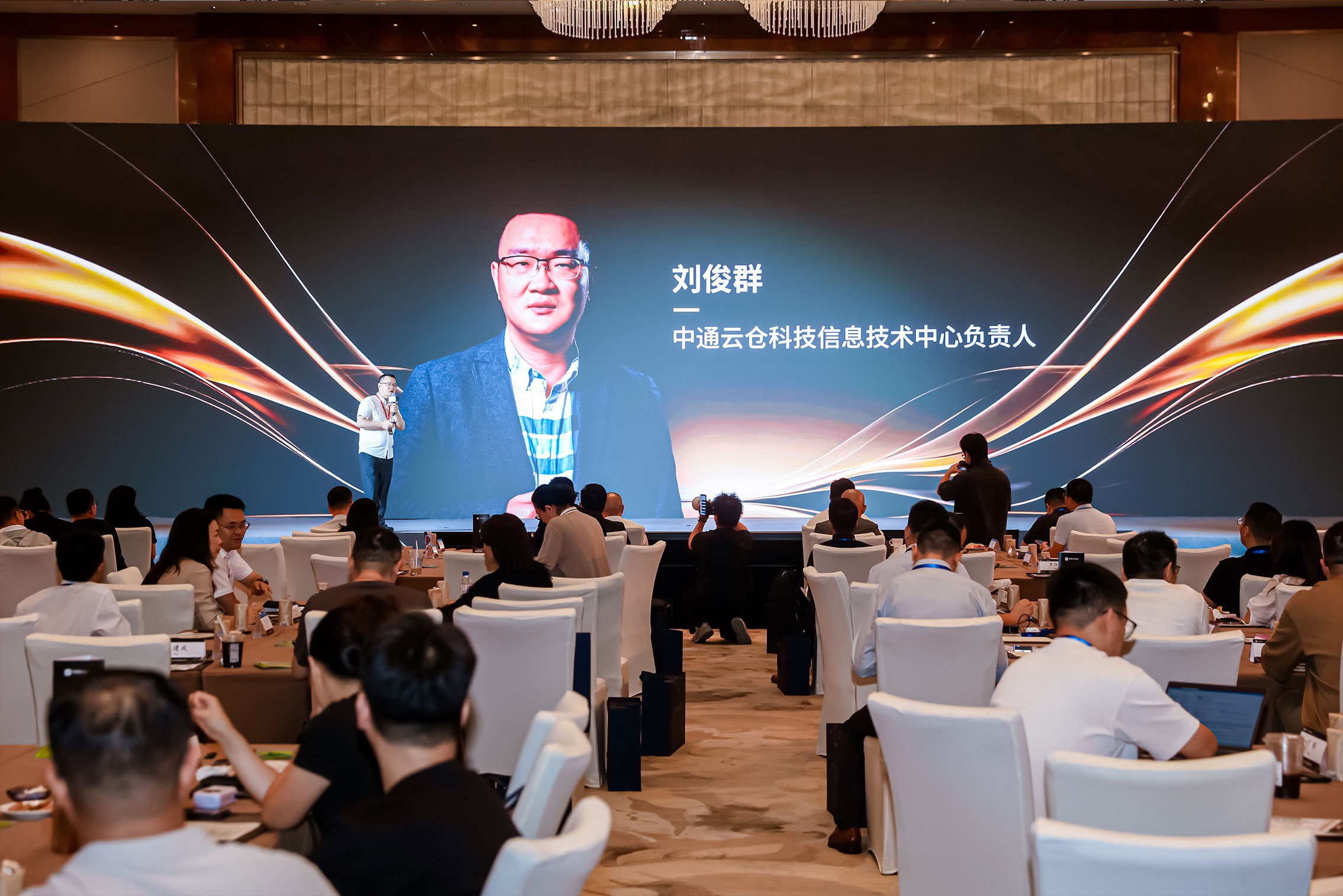
In the past, many digital tools solved single problems in forecasting, warehousing, transportation or customer service separately. As business links continue to lengthen, brands need collaboration across all links: sales forecasting should be able to influence inventory allocation, order distribution should drive adjustments to warehouse networks and distribution routes, and fulfillment anomalies need to be identified and addressed by systems at an earlier stage.
Therefore, the next step for supply chain AI capabilities is not just to achieve automation in a single link, but to create linkage between forecasting, inventory, warehouse networks, fulfillment and after-sales, enabling supply chains to gradually shift from passive response to proactive prediction.
This shift also extends to broader commercial relationships. Tang Minglei, Co-founder of Panfeng Intelligence K2Lab and former Investment General Manager of Alibaba DingTalk, shared the potential commercial changes brought by intelligent agents from the perspective of A2A native e-commerce.
The real value of AI does not lie in adding a technology label to existing processes, but in reducing information breakpoints in operational links, enabling brands to understand demand faster, identify risks earlier, and achieve more efficient collaboration across different business units.
04
From Supply Chain Cooperation to Long-term Ecosystem Collaboration
On the evening of the event, the "ZTO Cloud Warehouse Night" further continued discussions on brand growth and supply chain collaboration.
Hu Xiangliang, President of ZTO Cloud Warehouse Technology, shared the further transformation of the supply chain role, focusing on trends such as omni-channel integration, changing consumer demand and accelerated brand overseas expansion. As brand operation scenarios continue to expand, supply chains are evolving from back-end supporting services to a core capability that supports brand resilience and growth.
Relying on AI digital capabilities, warehouse and distribution networks and omni-channel fulfillment services, ZTO Cloud Warehouse Technology is promoting further integration of capabilities including domestic multi-channel inventory synergy, cross-border supply chains and localized fulfillment. Meanwhile, by deepening collaboration with brands, platforms and ecosystem partners, it enables supply chains to participate in brand operations at an earlier stage and jointly respond to market changes.
From global market selection to omni-channel inventory allocation; from local adaptation of cross-border fulfillment to the implementation of AI in real business, the discussions at this private board meeting are not isolated industry hot topics, but a set of operational propositions that brands need to address collectively as they enter the next stage of development.
Growth remains important, but the way growth is achieved is changing. Brands need not just larger traffic entrances, but also a supply chain foundation that can adapt to changes; supply chain enterprises provide not just warehousing and distribution, but also participate in operational collaboration with technology, networks and industry experience.
The more uncertain the market, the more certainty supply chains must deliver. In the future, those who can earlier connect the dots between products, inventory, channels, fulfillment and data will be more likely to maintain resilience amid changes and find new room for growth.
This article was first published on the official Ebrun website
[Copyright Notice] Ebrun advocates respecting and protecting intellectual property rights. Without permission, no one is allowed to copy, reproduce, or use the content of this website in any other way. If any copyright issues are found in the articles on this website, please provide copyright questions, identification, proof of copyright, contact information, etc. and send an email to run@ebrun.com. We will communicate and handle it in a timely manner.
Translated by AI. Feedback: run@ebrun.com