
Upgrading "Business Container" to Co-Create "Influencer Brands," DHgate Finds a New Path for Supply Chain Global Expansion
[Ebrun Original] Guangzhou and Yiwu were unusually bustling at the end of July.
In front of the camera, street influencer Ryan Tang examined a perfume bottle repeatedly; on the other side, lifestyle blogger Michele, surrounded by a group of suppliers, learned about the latest beauty samples from Chinese supply chains; next to the production line, plus-size fashion influencer LaQuia touched and selected her preferred fabrics in person, communicating with factory managers about pattern designs.
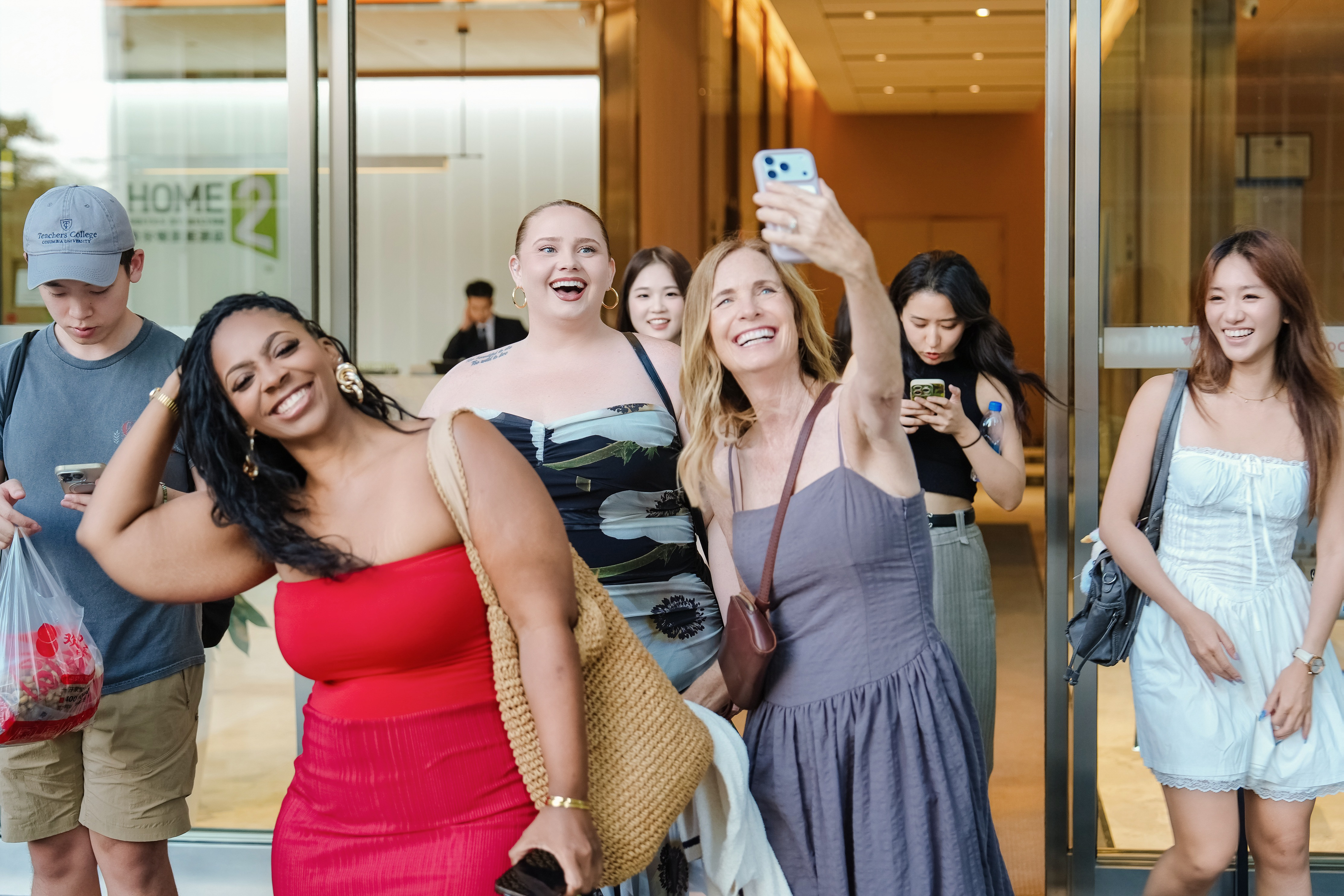
At the site of DHgate's "Kind Planet" industrial belt traceability and co-creation event, several North American influencers entered the product selection centers and production workshops of the beauty, apparel, and luggage sectors, polishing samples face-to-face with suppliers, and even finalizing prototyping details right on the production line.
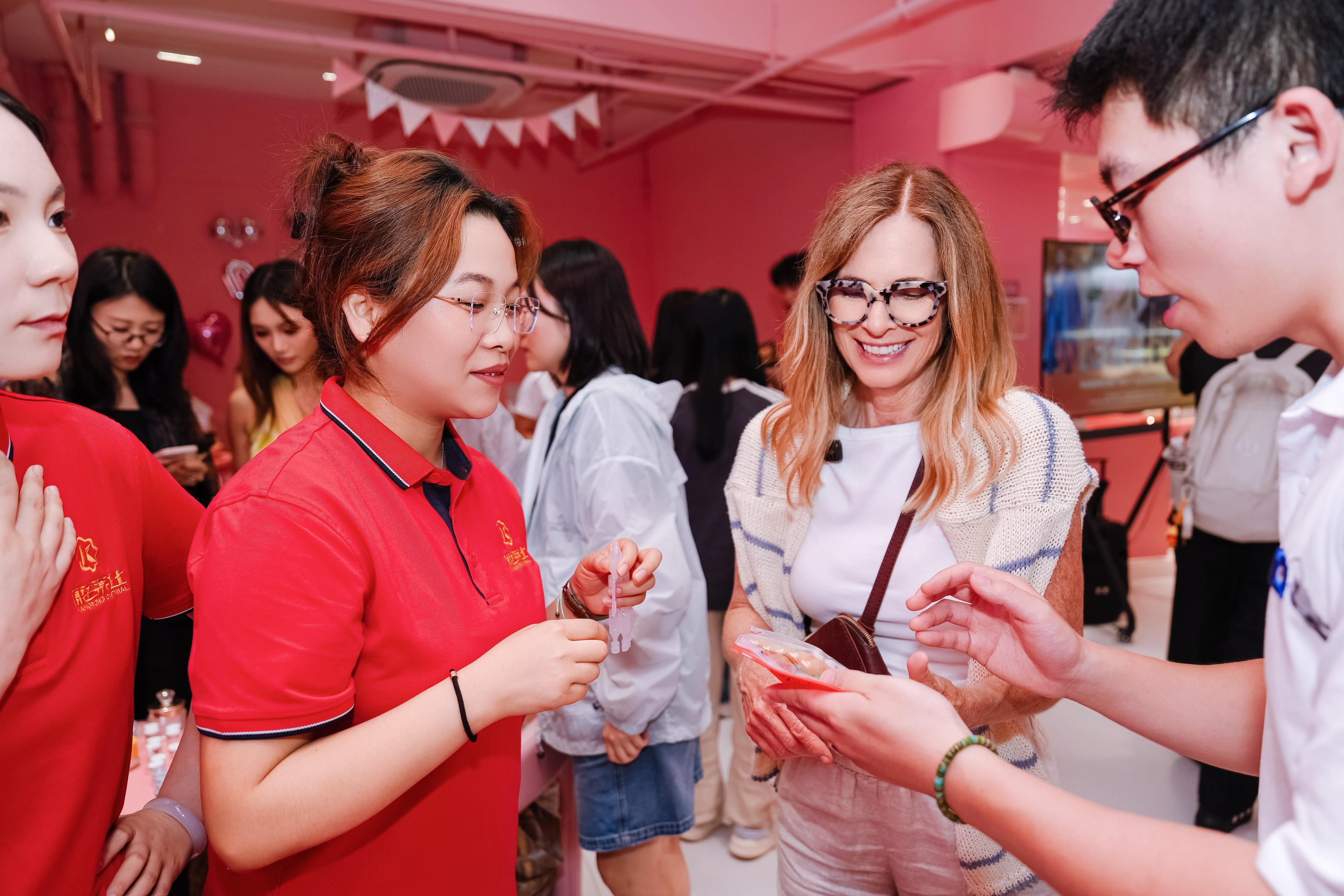
This "cross-ocean meeting" reflects a profound transformation underway in the B2B cross-border e-commerce sector.
In the past, the relationship between Western influencers and suppliers was very straightforward: brands paid fees, influencers took commissions to shoot videos, and the collaboration ended once sales were completed. But now, a growing number of Western influencers have realized that live-stream e-commerce sales only generate "income," while building a brand accumulates "assets."
At the same time, China's vast consumer goods industrial belts are grappling with the anxiety of being stuck in low-end supply. Despite boasting world-leading flexible production and rapid prototyping capabilities, they have long only earned meager processing fees, lacking a bridge to directly reach overseas end consumers and insights into the overseas market.
One side craves brand building, while the other needs a market anchor. These two forces are colliding intensely in the 2026 foreign trade landscape, urgently requiring a new commercial mechanism to connect them, effectively integrating "fan trust" with "manufacturing strength."
To this end, Ebrun spoke with Yi Xixu, Head of Strategic Innovation at DHgate, aiming to dissect the underlying logic and implementation path of the long-established B2B platform's 2026 bet on the "influencer brand co-creation" strategy, as it transitions from a "transaction matchmaker" to a "business container."
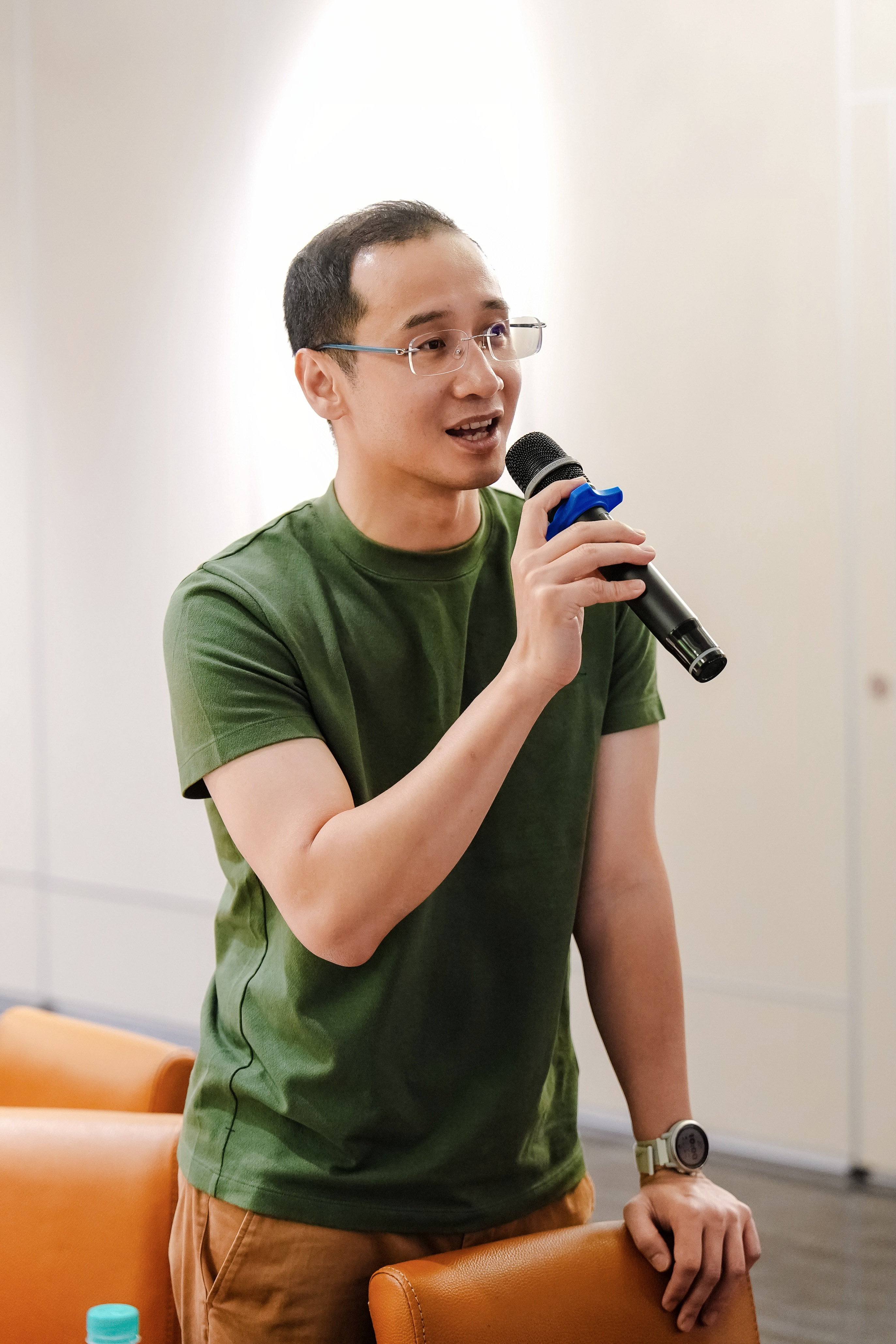
01 "The Ultimate Goal of Traffic Monetization is Brand Equity":
From Selling Goods to Building Brands, Western Influencers Aim to Go Further
In the context of cross-border e-commerce, the relationship between influencers and merchants has long been a short-term arrangement: merchants pay slotting fees, influencers shoot short videos, and the business chain ends once the commercial order is completed.
However, Yi Xixu told Ebrun that his team has observed a very significant inflection point in long-term market research: top and mid-tier influencers in Western markets are seeking change, trying to carve out a new path from the traditional commission-earning model.
"Commercial orders are extremely unstable—you might get a brand partnership today, but nothing tomorrow. Especially since top brands have a wide range of options, competition among influencers is fierce," Yi pointed out. Under the traditional model, the commission rate for influencers is relatively fixed, only around 15% to 20%.
For influencers with large fan bases, selling goods is an erratic "employment income" that depends on the goodwill of brands. Rather than earning meager commissions selling other people's products, it makes more sense to convert fan trust into a personal brand—a permanent asset that can continuously appreciate and generate revenue.
From the global perspective, this trend has already been validated by leading players.
After amassing over 500 million fans, global top influencer MrBeast launched his own chocolate brand, which quickly exceeded $200 million in annual sales. Yi noted that this case has greatly inspired mid-tier influencers, sparking a wave of influencer entrepreneurship. They are no longer satisfied with being mouthpieces for brands, but are eager to convert their influence into tangible commercial assets with independent pricing power and full product lifecycles.
The four influencer guests invited to this event have all recently launched highly personalized "influencer brands," trying to catch this "wealth creation express."
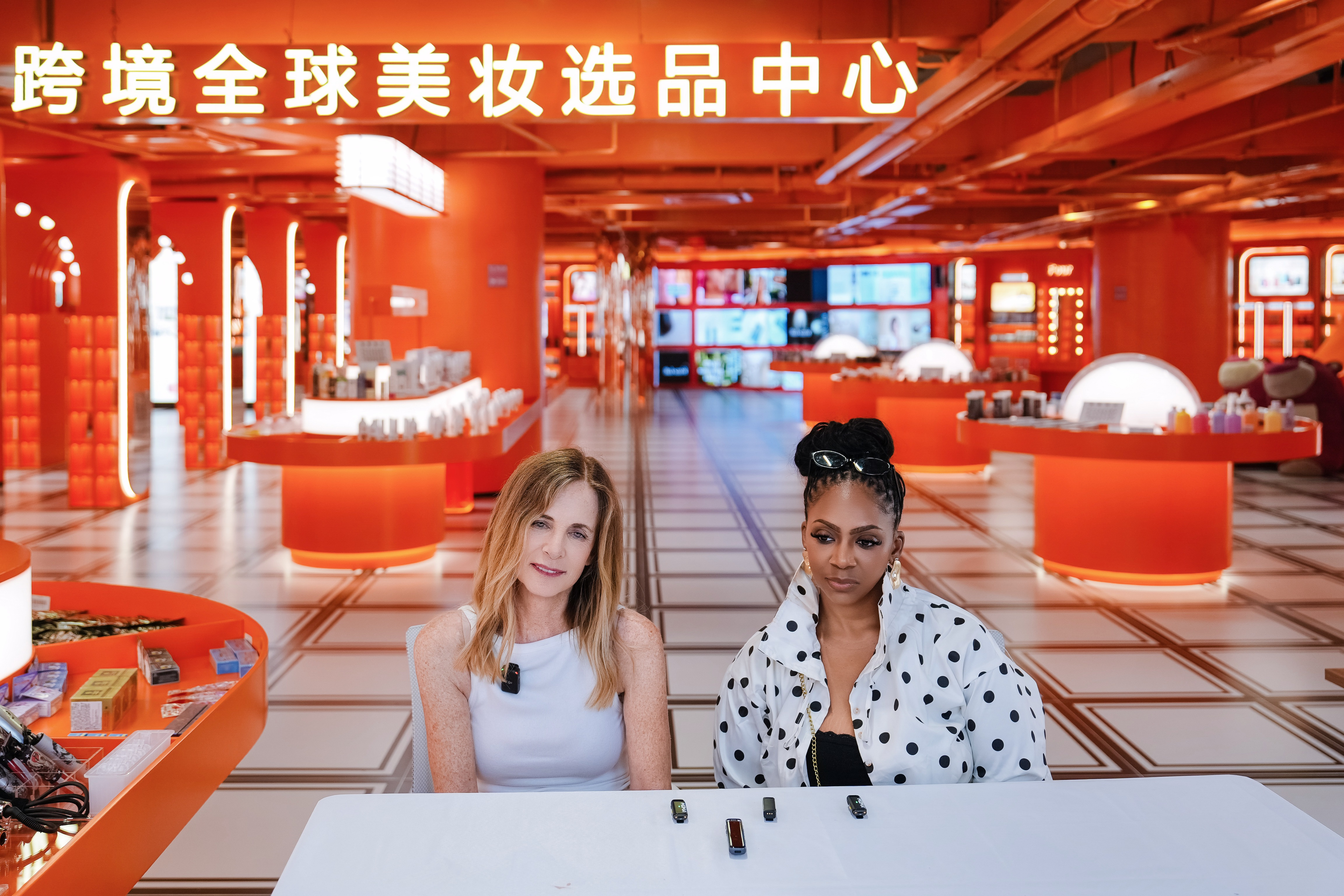
It is at this juncture that DHgate sees the business opportunity to shift from "matching sales collaborations" to "incubating brands."
On the other hand, there is currently a huge gap in industrial services for "influencer brand building" in overseas markets, which also creates conditions for DHgate to fill this market blank.
DHgate has keenly captured the "time gap" across markets. Yi pointed out that in the Chinese market, the penetration rate of social commerce has reached 60% to 70%, and consumers are accustomed to it; in Western markets, this ratio is currently only 20% to 30%.
"The development of social commerce in Europe and the US lags behind China by about 3 to 4 years, and the local industrial ecosystem is not yet sound," he said frankly. "The gap represents opportunity. This is undoubtedly a highly deterministic dividend window."
Now, the Western influencer community is in an accelerated phase of building a batch of "social-native brands," but the local market lacks a flexible supply chain system as highly efficient and comprehensively categorized as China's. By connecting China's mature industrial belt resources with Western influencer brands that are just at the starting point of this trend, DHgate is essentially leveraging its experience and first-mover advantage to seize this market opportunity.
02 "More In-Tune with Frontline Markets Than Traditional Buyers":
Overseas Influencers and China's Flexible Supply Chains Embark on a Mutual Pursuit
In the traditional B2B global expansion chain, overseas buyers and trade distributors take on the roles of product selection and centralized procurement. But Yi clearly pointed out in the interview that the role of influencers is fundamentally different from that of traditional purchasers.
"Buyers are middlemen, whose downstream clients may be retailers, separated from end consumers by multiple layers. Influencers are different—their fans are the consumers," Yi said. "Traditional purchasers look at past sales reports, while influencers look at real-time fan comments and likes."
This zero-distance access means that influencers have the highest sensitivity to the aesthetic preferences, functional needs, and fashion trends of the frontline market. They are not just capturing current bestsellers, but predicting future product selection directions. When influencers integrate their brands into the source supply chain, the resulting products are not just current hits, but are likely to be trend-setting products that lead the next consumption cycle.
Yi detailed the operational process of co-creation between influencer brands and source factories.
Unlike the traditional B2B model with fixed minimum order quantities and fixed prices, the procurement behavior of influencers presents typical characteristics of "small batches, multiple lots, and high frequency":
Factories use their superior prototyping capabilities to quickly produce samples; after receiving the samples, influencers launch polls or fan interactions on their social media platforms, using their hundreds of thousands or even millions of fans as a "market research pool"; by collecting real votes and comments, they quickly verify the popularity of the product; finally, they adjust their product selection strategy based on market feedback, and confirm the mass production plan after multiple rounds of polishing.
This closed loop of "rapid prototyping—fan testing—data feedback—mass production decision-making" relies heavily on the world-leading flexible manufacturing capabilities of China's industrial belts. Yi Xixu pointed out that this model is far superior to the old approach of factories developing products in isolation and buyers making "guesswork" product selections.
What DHgate aims to do is to connect Western "fan demand" with Chinese factories' "flexible manufacturing."
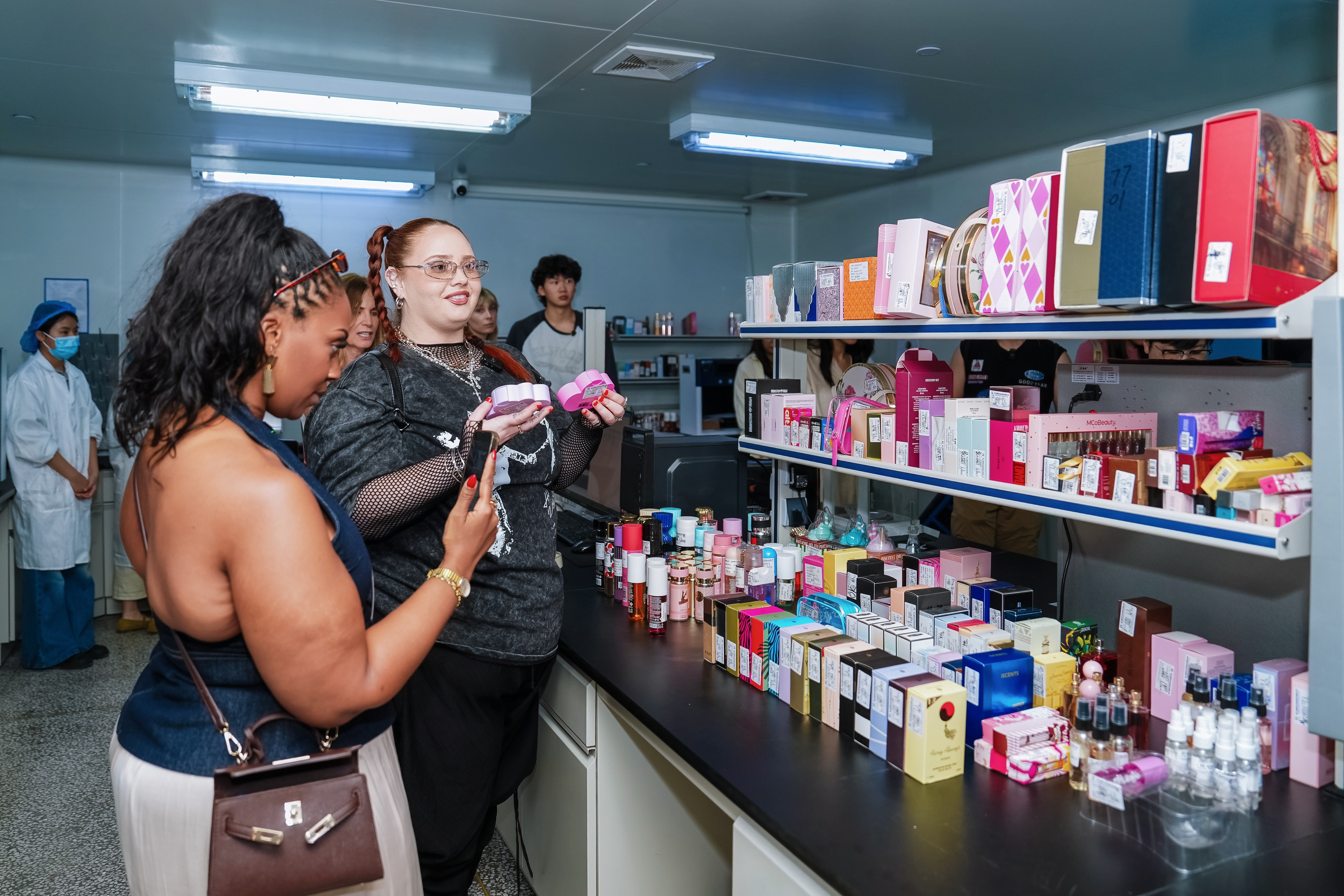
In fact, in addition to "connecting to source supply chains" at the commercial link level, DHgate also achieved "deep content-level connection" through this event.
When talking about why they went to the trouble of flying influencers from the US to workshops in Guangzhou and Yiwu, Yi Xixu mentioned considerations related to "content differentiation."
In traditional sales collaborations, multiple influencers promote the same brand, leading to easily homogenized content that eventually devolves into a price war. The "supply chain traceability" scenario inherently has content scarcity.
"Western consumers are very interested in seeing the source of products: where do raw materials come from? What is the production line like? What kind of team is behind the product?" Yi said.
Influencers who walk into workshops can shoot highly compelling documentary short videos. This not only solves influencers' anxiety of "lacking content inspiration," but also provides highly persuasive "trust endorsements" for their future own brand building.
In Western markets, "transparent supply chains" are themselves a source of brand premium. Western consumers are willing to pay for production processes that are "visible and tangible," and this trust premium brought by real source scenarios is difficult to achieve through pure commercial advertising.
03 From "Matchmaker" to "Business Container":
DHgate, Focused on Influencer Entrepreneurship, Ushes in a New Model Transformation
"In the past, DHgate was a centralized hub for traffic distribution. Now, we want to build an all-inclusive 'business container' and cultivate a truly decentralized community ecosystem," Yi said. "This container will bring together influencer entrepreneurs, source suppliers, various service institutions, and global expansion experts in various niche sectors."
The change in the platform's self-positioning has also changed the work model of its employees.
Previously, the daily work of Yi's team involved "negotiating slotting fees, commissions, and minimum order quantities." But now, as the team has officially transformed into the "Strategic Innovation Department," their work content has undergone earth-shaking changes.
"Now we don't talk about quotes with influencers. Instead, we discuss their past stories, visions, and ideals, and tap into their inner passion for brand building," Yi said. DHgate will help them polish their brand tone and clarify their brand narrative.
As a "business container," DHgate's function is not just to match commercial orders, but to act as a "co-creation coach" connecting influencers, designers, marketing experts, and supply chains, building a decentralized co-creation community, opening up a two-way information channel between overseas influencer fan communities and domestic industrial belts, and addressing the shortcoming of information fragmentation in traditional foreign trade. The co-creation community builds a trust community, achieving dual premiums in content and brand.
The real-shot content of influencers visiting industrial belts for traceability and collaborating with factories to polish products stands out from homogenized advertisements, building unique content assets in overseas social circles; at the same time, integrating influencer personas with Chinese manufacturing forms exclusive brand recognition, avoiding low-price cutthroat competition. Factories can gain a thorough understanding of overseas consumer preferences and accumulate experience in independent brand operation through this model; influencers also get rid of commission dependence, and turn their owned user traffic into sustainable brand assets.
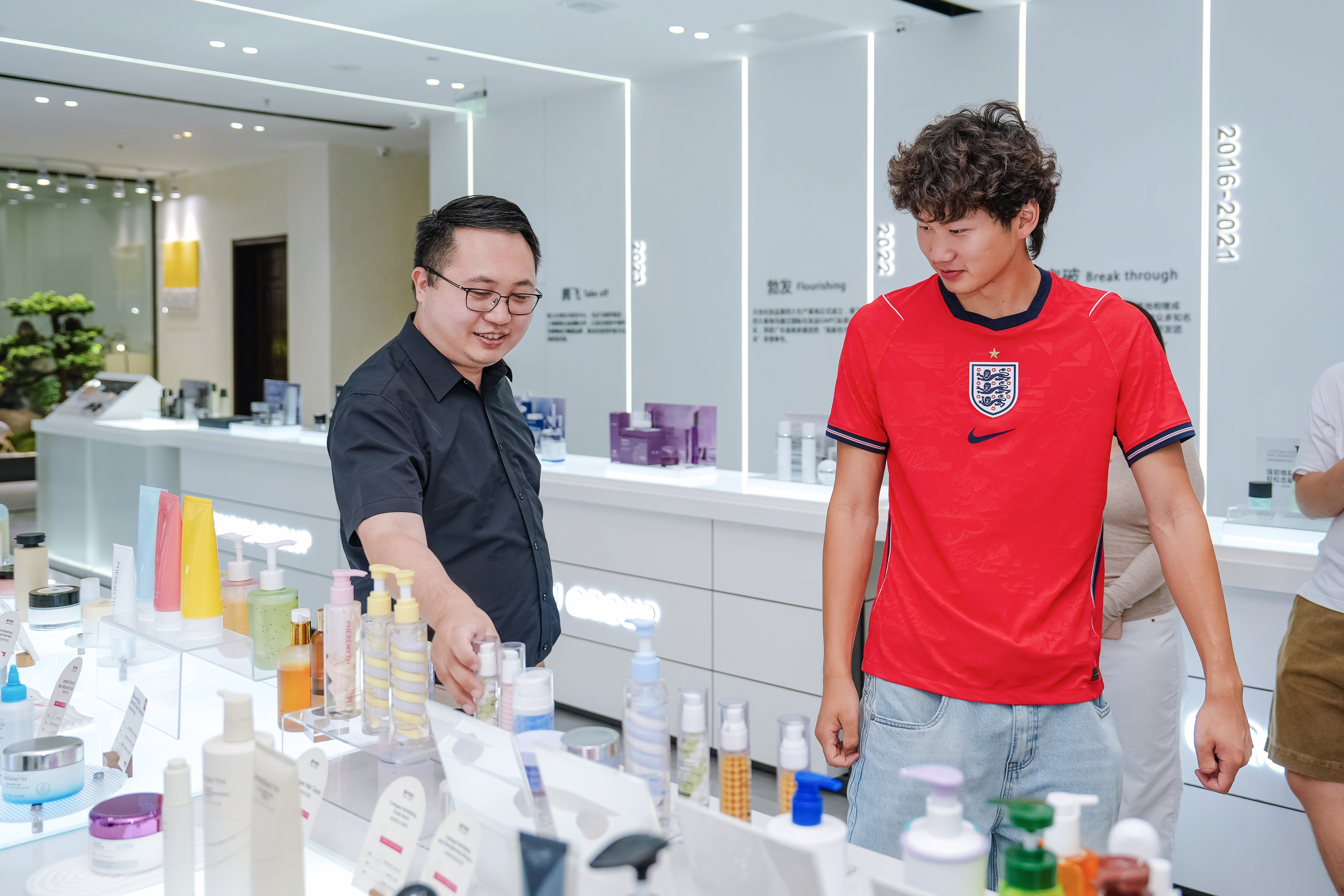
DHgate also provides tiered and targeted services for different forms of influencer collaborations: for regular sales collaboration needs, DHgate connects them through its subsidiary platform MyyShop, quickly matching commercial orders relying on its massive supplier resources; for influencers with strong demands to "build their own brands," the strategic innovation team intervenes deeply, providing full-process supporting services from brand positioning to supply chain building.
This new model undoubtedly solves the core pain points that hinder overseas influencers from building their own brands.
LaQuia, a personal stylist, is a lifestyle blogger focused on the "body positivity, plus-size fashion" sector. After long-term engagement with her community, conducting online fan surveys and one-on-one in-depth interviews, she decided to launch a new original brand called Bare.
But her unique design ideas were long trapped by outdated procurement models. Previously, LaQuia could only purchase ready-made apparel in small offline batches. Standard patterns on the market rarely fit plus-size figures, and every piece required manual secondary modification after delivery.
Moreover, constrained by minimum order quantities and sales scale, her ideas originating from fan feedback and tailored to the real-life scenarios of mothers were never able to be mass-produced through the supply chain, and her plan to build her own brand had been stalled for a long time.
The emergence of DHgate brought an opportunity to break this deadlock.
Visiting industrial belts with DHgate was LaQuia's first time entering a factory workshop, where she discussed her ideas face-to-face with pattern-making, fabric, and production teams. She openly shared the real pain points of mothers with multiple children, the size and functional needs collected from fan surveys, selected her preferred fabrics in person, accurately measured pattern data on site, and finalized the complete prototyping plan immediately.
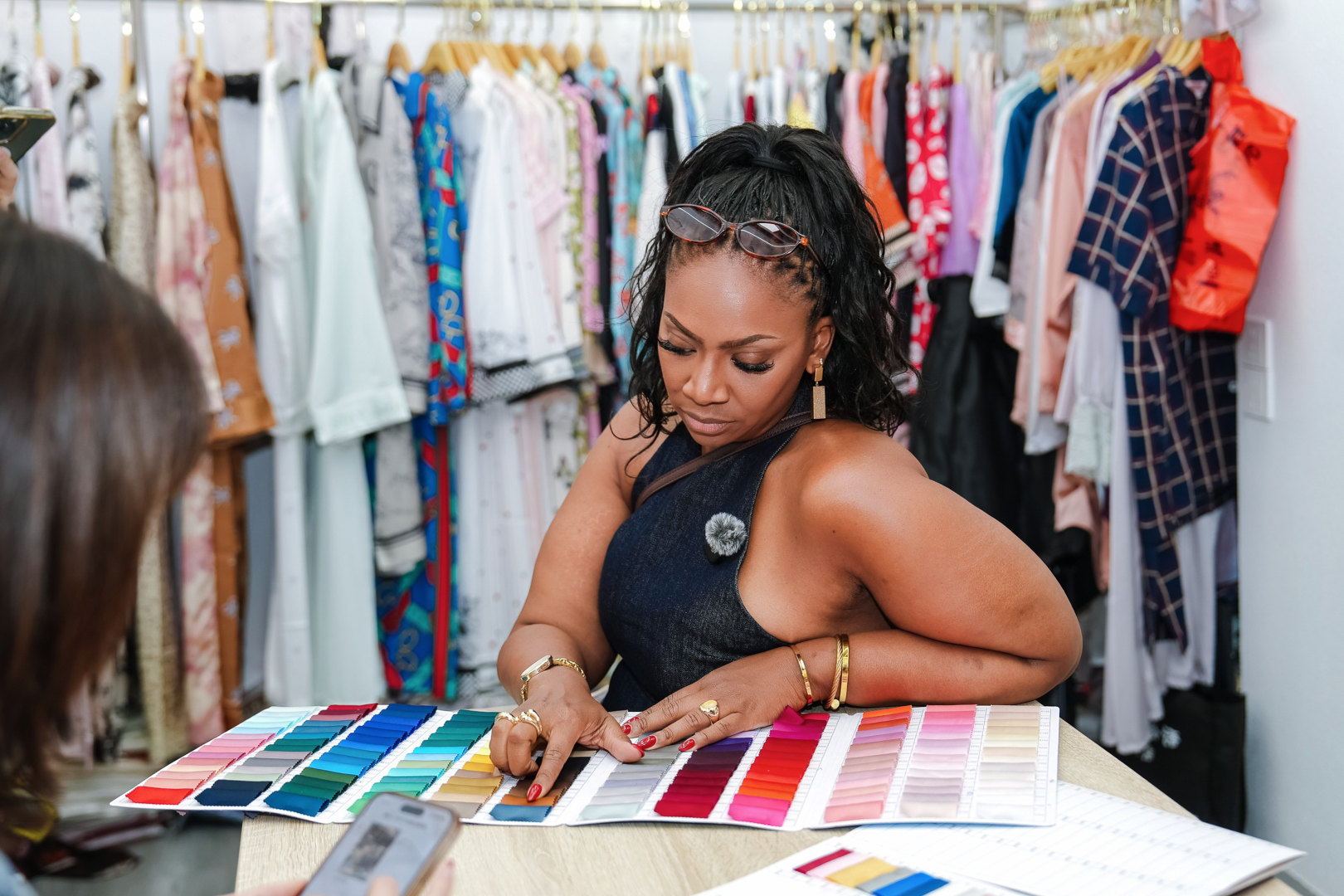
It can be said that unlike the superficial cooperation of "spot goods distribution," DHgate's community co-creation model truly realizes front-loaded creativity and full-process support: in addition to turning influencers' market insights into physical products, the platform also simultaneously provides brand building logic, long-term operation methods, and AI efficiency tools to support new brands in winning their first battle.
LaQuia's identity has also changed: from a sales blogger doing "one-off deals" to a co-creation partner deeply involved in R&D and holding brand decision-making power.
On the other hand, for Chinese factories, co-creating brands with overseas influencers also brings great benefits.
For Chinese factories that rely on OEM and white-label sales to survive, the core pain point on the path to branding is not production capacity, but "poor adaptation to overseas markets." Yi pointed out that Chinese factories are very good at domestic sales, but often fail in global expansion, the root cause being that they do not understand the real pain points of overseas consumers.
And DHgate has designed a three-step gradual transformation path for factories:
The first step is to simply supply goods to influencers, and perceive the market through influencers' sales data; the second step is to deeply participate in the co-creation of influencers' own brands, and learn the complete logic of overseas market requirements for product design, packaging, and marketing in this process; the third step is to establish their own brands after accumulating sufficient overseas market knowledge and operation experience.
In this path, influencers are not just purchasers, but also bridges that help factories "dissect" overseas market demand. DHgate acts like a "product manager," assisting factories in completing the cognitive upgrade from "pure manufacturer" to "brand operator."
Epilogue:
Returning to the origin of business, implementing a new business model always cannot avoid the question of "how to commercialize."
Regarding this question, Yi frankly stated that unlike the previous commission-based model, DHgate is trying to build a more diversified, deeply strategically aligned benefit distribution mechanism through "community ecosystem and brand co-creation."
"First, the platform provides deeply scarce co-creation support, customized product selection services, and mature AI tools, for which it can charge a certain service fee; second, for highly promising influencer brand projects, DHgate can participate in the form of technical services, operation agency, or even equity investment," he said.
The construction of this "benefit community" means that influencers, factories, and the platform are no longer bound by the fragile consensus of short-term cooperation, but establish a long-term symbiotic relationship to grow the brand pie together.
Through this mechanism, DHgate hopes to enable different participants to interact within the "business container," and find a new foreign trade path that transcends zero-sum games and cutthroat competition.
Ebrun will continue to track and report on this development. If you want to know more information related to this article, please scan the QR code to follow the author's WeChat account.

[Copyright Notice] Ebrun advocates respecting and protecting intellectual property rights. Without permission, no one is allowed to copy, reproduce, or use the content of this website in any other way. If any copyright issues are found in the articles on this website, please provide copyright questions, identification, proof of copyright, contact information, etc. and send an email to run@ebrun.com. We will communicate and handle it in a timely manner.
Translated by AI. Feedback: run@ebrun.com