
GML 2026: Betting on Intercepting Front-End Traffic? After AI Recommendations, 60% of Users Still Return to Google's Ecosystem 'Seeking Endorsement'
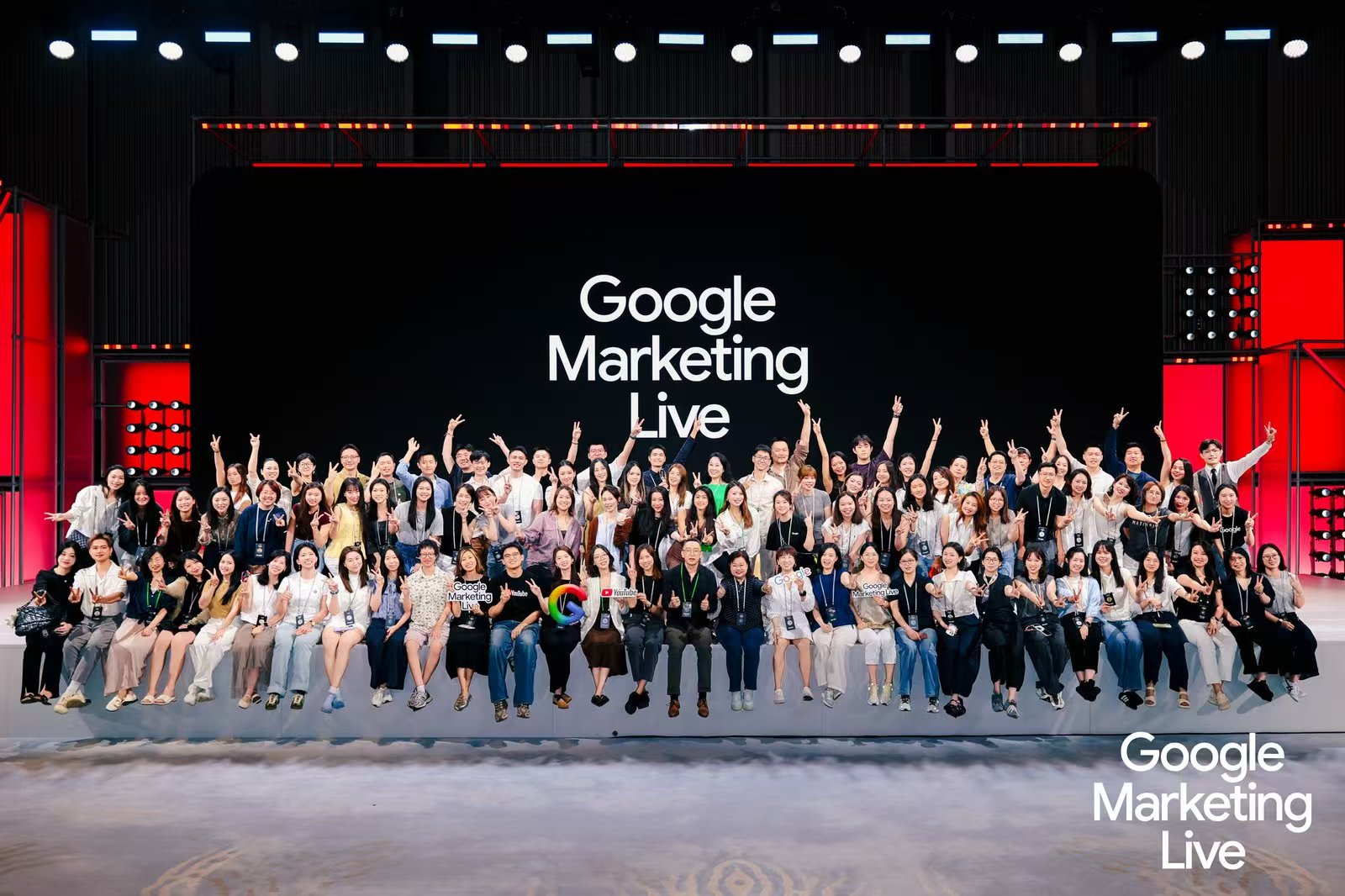
【Ebrun Original】On July 20th, the 2026 Google Marketing Live China event concluded successfully in Shenzhen. As Google's annual marketing flagship event, this year's GML featured Google officials and special guests sharing new insights into the marketing landscape in the AI era, with a series of next-generation AI advertising products and marketing tools also making their debut.
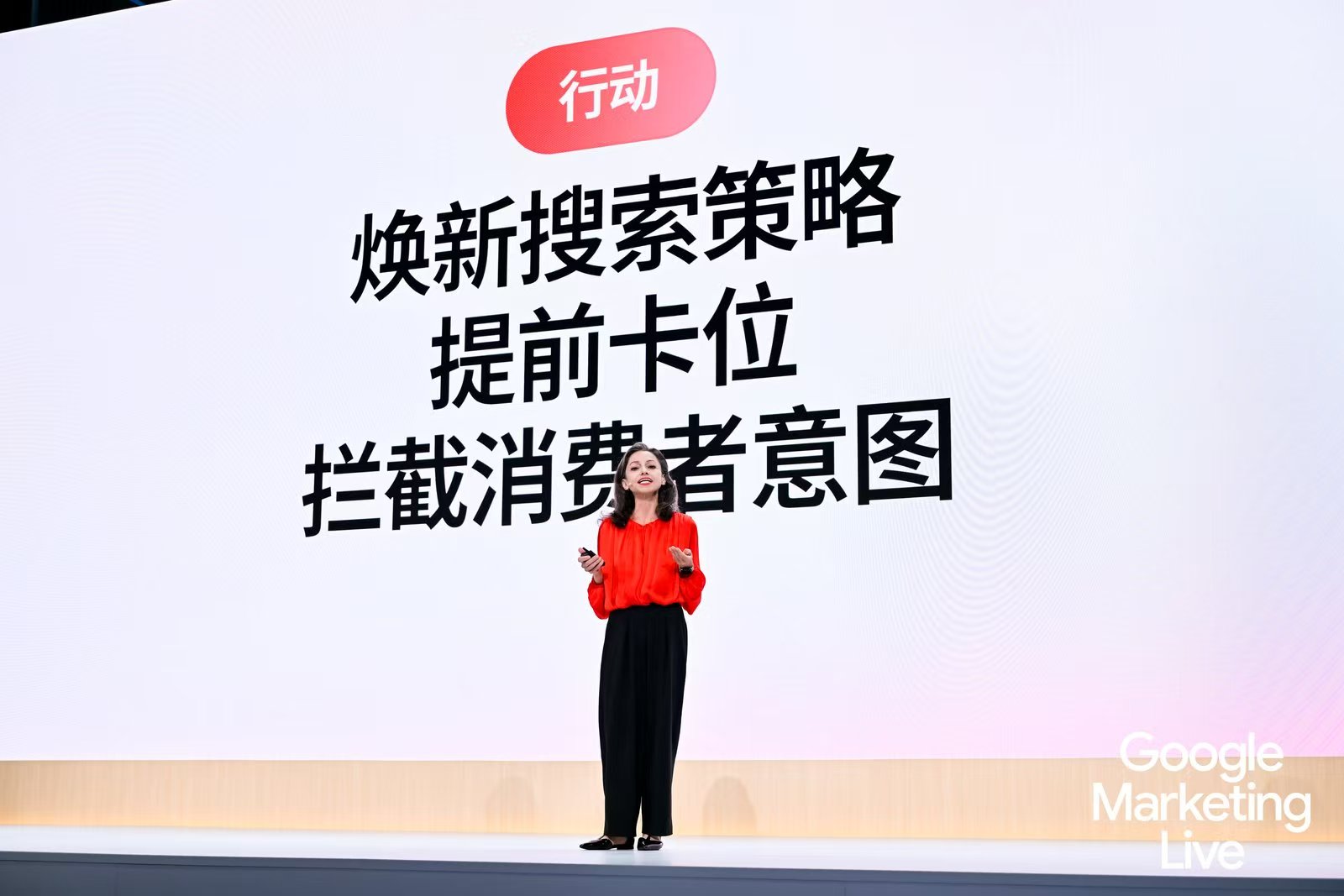
Sky Canaves, Chief Analyst at the globally renowned market research firm EMARKETER, shared several key data points at the event. "Will consumers bypass traditional channels and shop directly on AI platforms?" She gave a clear negative. "Less than one-sixth of people use AI for direct shopping, and when it comes to making actual purchase decisions, shoppers are 2.3 times more likely to use Google Search than conversational AI tools like ChatGPT."
Regarding this, Sky Canaves pointed out that AI is not replacing search but rather revealing deeper, more complex intent, with decision-making cues ultimately still flowing back to search. The key to winning lies in intercepting these intents early, capturing them at the very beginning of the conversion journey.
On the other hand, consumers do not unconditionally trust AI recommendations.
While optimism towards AI in the Chinese market is as high as 84%, in the US, this figure is only 38%, below the global average. Over 90% of consumers believe AI is helpful, but only half actually adopt its advice.
"AI does not diminish brand value; instead, it amplifies it. Therefore, building an identifiable brand trusted by AI recommendations is crucial," she stated.
Finally, she noted that AI has not led to a "conversion funnel collapse" but has significantly extended the consumer shopping journey: AI intervention has caused the average number of shopping touchpoints per person to explode from 4.2 to 12.1. A striking 60% of users, after receiving an AI recommendation, choose to exit and head to Google Search and YouTube to seek authentic endorsements from human creators.
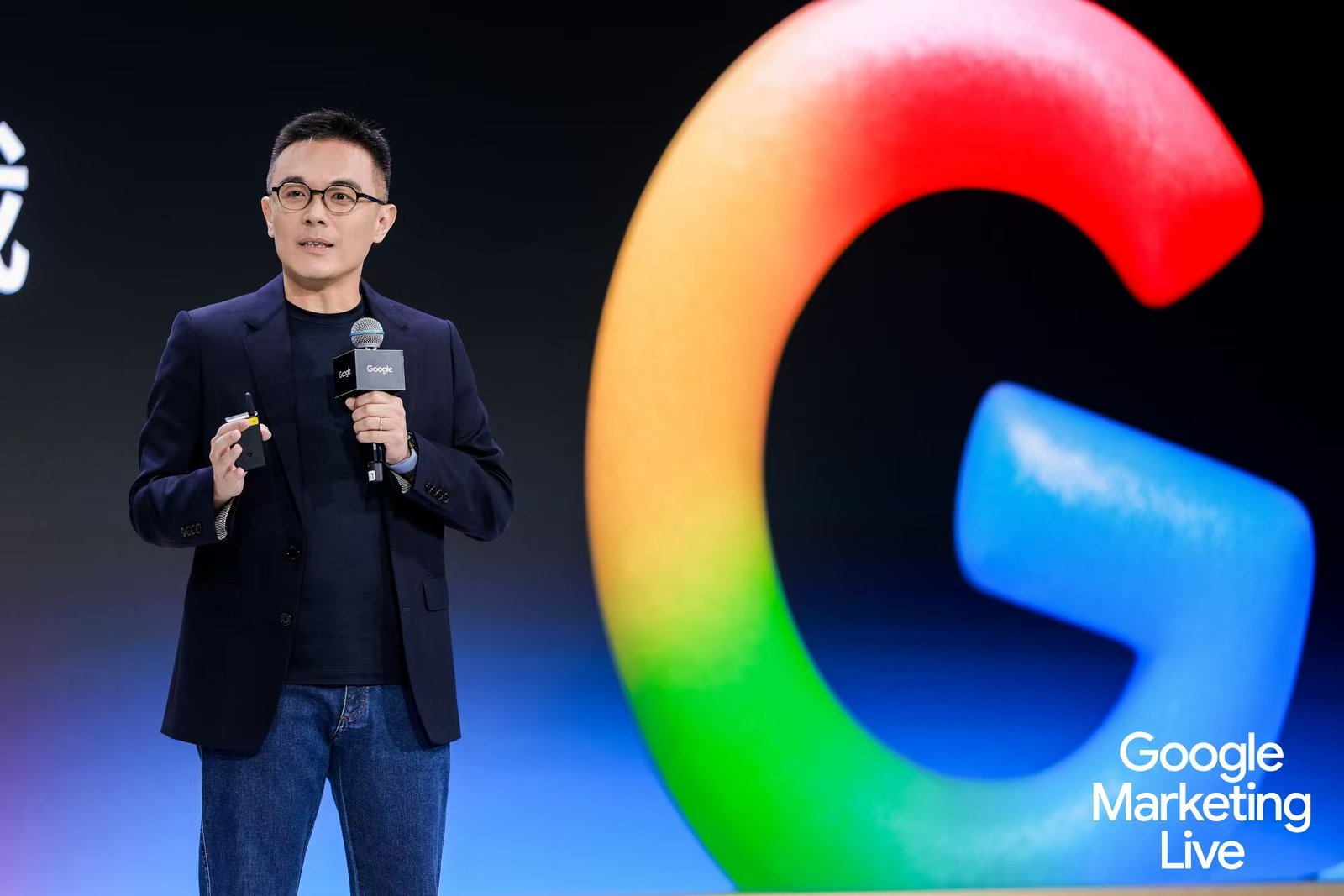
Frank Chen, President of Google Greater China and Korea, analyzed how technological change is reshaping consumer behavior patterns.
He pointed out that AI has fundamentally reshaped the entire decision-making path for global consumers, from discovering information and understanding products to comparing choices and taking action. Global consumers are rapidly evolving into "super consumers" with enhanced decision-making power and execution capabilities.
In response, overseas-focused businesses must not remain at the stage of viewing AI merely as a tool to improve daily operational efficiency. They must advance systemic upgrades in their thinking models and core actions, transforming AI from a simple "efficiency tool" into a "strategic engine" that drives long-term business growth.
In a dialogue, June Zhang, Vice President of Marketing Insights and Solutions for Google Greater China, and Sun Yuan, Vice President of Engineering for Google Ads, revealed that today, during the "pre-purchase stage," consumers' search queries are three times longer than before, and search volume in AI mode is doubling every quarter.
They stated that these searches reveal consumers' specific needs and genuine concerns much earlier. These rich, multi-dimensional "intent signals" at the front end of the conversion funnel represent growth opportunities for businesses expanding overseas.
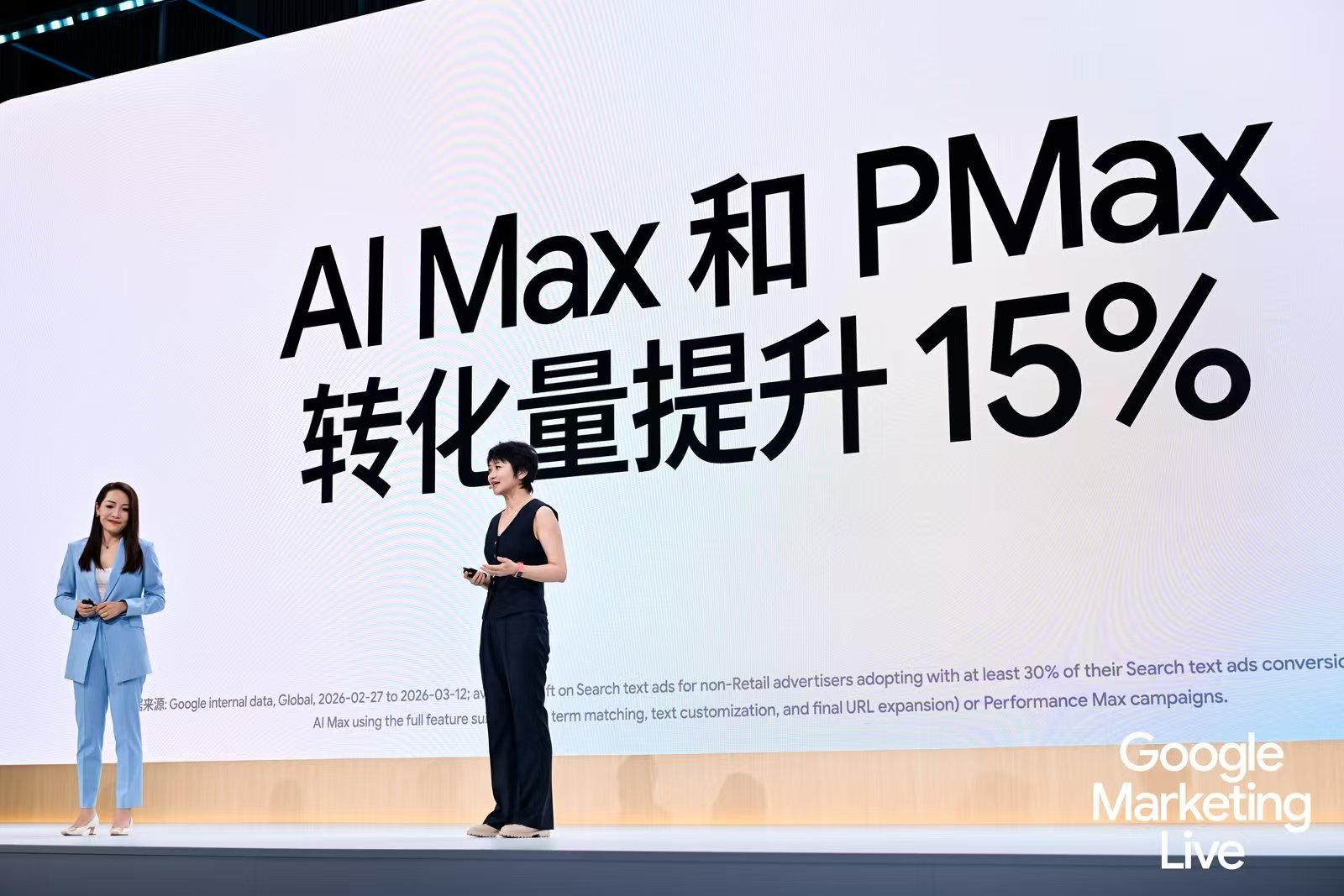
Addressing the reshaping of the decision-making journey, Google also showcased its latest AI marketing solutions and a comprehensive suite of tools at this event.
Through AI Max and Performance Max advertising products, overseas-focused businesses can better understand deep-seated intent and seize new growth opportunities.
Simultaneously, the newly launched AI Brief significantly simplifies backend configuration for search ads. Through everyday text conversations, businesses can directly communicate their brand business, target audience, and brand tone guardrails. AI then automatically sets clear campaign boundaries and generates ad creatives.
Meanwhile, a series of next-generation search advertising tools launched by Google at the event (such as AI Brief, Ads in AI Mode, AI-Powered Shopping Ads, etc.) can help overseas businesses integrate their brand messages more naturally and seamlessly into AI-native interaction scenarios.
Furthermore, to enable businesses to guide AI with genuine "business objectives" and empower it using "first-party data," Google introduced Product Value Adjustment (PVA): businesses can directly inform AI of their true business priorities, setting clear direction for profitability. Tools like Google Code Gateway and Google Ads Data Manager empower businesses to accumulate their own first-party data, providing fuel for AI to continuously optimize advertising performance.
Ebrun will continue to track and report on this information. To learn more related to this article, please scan the QR code to follow the author's WeChat.

[Copyright Notice] Ebrun advocates respecting and protecting intellectual property rights. Without permission, no one is allowed to copy, reproduce, or use the content of this website in any other way. If any copyright issues are found in the articles on this website, please provide copyright questions, identification, proof of copyright, contact information, etc. and send an email to run@ebrun.com. We will communicate and handle it in a timely manner.
Translated by AI. Feedback: run@ebrun.com