
Insta360 Announces Development of Photography Robot 'Cameraman', Claims Five Core Technologies Accumulated
[Ebrun Original] On July 9th, Insta360 officially announced it is 'building a robot' to mark its 11th anniversary, signaling its official entry from the photography equipment sector into the consumer robotics field.
The company's envisioned photography robot is named Cameraman, which is described as being able to 'compose shots and capture candid moments for you like a professional cameraman.' The company stated that the dual-camera gimbal Luna Ultra, launched a month ago, represents 'an important, unfinished form' of Cameraman because 'it possesses a pair of 8K eyes that see clearly day and night; a pair of ears for audio capture and remote control; a flexible neck with a three-axis gimbal for stabilization; and an AI brain developed over many years.'
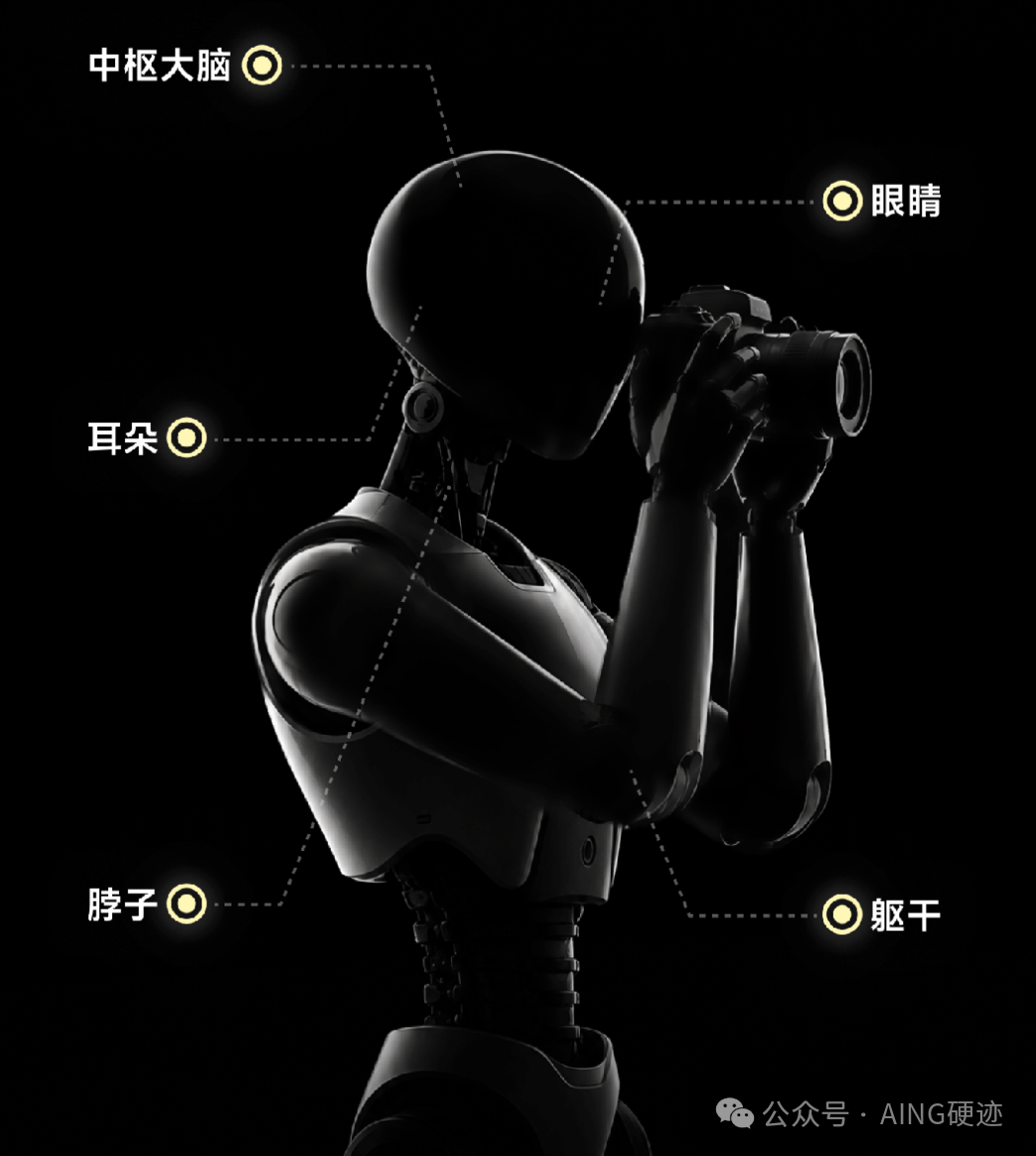
In the officially released concept images of the photography robot, the company outlined its five core technology reserves accumulated over the past years in the robot's central brain, eyes, ears, neck, and torso.
Central Brain: In 2020, Insta360 began developing automatic editing, with export rates continuously improving. It open-sourced panoramic flight simulation and panoramic depth prediction, and assisted embodied robot companies with panoramic data collection. The camera's ability to perceive space, intent, and the world is achieved by the robot's highest central 'brain,' and AI is now putting the final piece of this puzzle in place.
Eyes: In July 2016, Insta360 released the Nano camera, which plugs into a smartphone for one-touch panoramic shooting. From the X series to the GO and ACE series, optical modules, sensors, and imaging algorithms have continuously evolved, providing increasingly clearer vision across different focal lengths.
Ears: In September 2025, Insta360 launched its first audio product, Wave; in May 2026, it introduced the wireless microphone Mic Pro, completing the leap from 'audible' to 'clear audio.'
Neck: In August 2022, Insta360 launched the Link conference camera. With its flexible multi-axis gimbal design, the lens can follow movement and always lock onto the subject. Like a human's flexible, rotating neck that moves the head, the robot has gained a structure for free rotation.
Torso: In December 2025, the panoramic drone Yingling A1 was launched. Transitioning from handheld physical carriers like selfie sticks and gimbals to growing wings capable of taking off, hovering, and looking down, this marks the robot growing a torso and gaining the ability to move freely.
Insta360's past technological accumulation from hardware to software has laid a certain foundation for its entry into the robotics field. As early as April this year, Liu Jingkang, Chairman of Insta360, first proposed the concept of a 'photography robot' in a letter to shareholders: 'Just like hiring a professional photographer for your travel or team-building events, it automatically moves in space, finds angles, and captures those wonderful moments, while you simply enjoy the present.' He also mentioned that the company had this idea over six years ago and has been working towards this goal ever since.
Starting last year, Insta360 has frequently expanded its product categories, from drones to gimbal cameras, engaging in direct competition with DJI on several occasions. Liu Jingkang stated, 'We see broad and largely unmet customer demand,' which led to the decision to 'aggressively' increase R&D investment. The company's R&D expenses in 2025 increased by 96.95% year-on-year, reaching a scale of 1.53 billion yuan, exceeding the total sum from 2022 to 2024. This official announcement of entering the robotics field not only expands the imagination of photography equipment and is expected to become a new growth driver for the company's performance but also introduces a heavyweight player to the niche consumer robotics segment.
Ebrun will continue to track and report on this development. To learn more about related information, please scan the QR code to follow the author on WeChat.

[Copyright Notice] Ebrun advocates respecting and protecting intellectual property rights. Without permission, no one is allowed to copy, reproduce, or use the content of this website in any other way. If any copyright issues are found in the articles on this website, please provide copyright questions, identification, proof of copyright, contact information, etc. and send an email to run@ebrun.com. We will communicate and handle it in a timely manner.
Translated by AI. Feedback: run@ebrun.com