
Live Auction: The Next Big Traffic Driver for US E-commerce?
By Wang Yu, Edited by He Yang
[Ebrun Original] "Three, Two, One, Go!" Live auction-style shopping is prying open American consumers' wallets in a straightforward, no-frills manner. "The auction format has single-handedly revitalized live streaming traffic in the US market!" Steve, the manager of a local US-based creator live streaming agency, told Ebrun. "Conversion, engagement, retention, repurchase—all metrics are soaring. It's no exaggeration to say that in recent months, anyone who got on board was making money."
This is no empty boast. Since its launch, live auctions have become one of the most eye-catching new trends on TikTok Shop in the US. According to official data, the average GMV per hour for live auctions in the US is four times that of regular live streams. From January to April this year, the monthly average GMV growth rate for auctions was six times that of other live streaming formats and a staggering 14 times that of short videos.
In fact, this fire wasn't ignited just in 2026, nor is it exclusive to TikTok. Even before TikTok played this card, a group of keen-scented sellers had already flocked to another live-streaming e-commerce platform specializing in auctions—Whatnot—assembling products, going live, and quietly digging for gold. They experienced the near-addictive fervor of American consumers for auction shopping much earlier than most.
What is the magic behind this new live commerce paradigm of auctions? Is it the long-sought key to unlocking the US live-streaming e-commerce market?

Did Auctions Transform US Live Streaming?
"Auctions are great, money comes fast, and volume spikes quickly," said James Chen, a US-based collectible toy seller, not hiding his excitement. He did the math: "Last year, doing live streams with 200-300 concurrent viewers, a regular sales session would bring in maybe two to three thousand dollars. Now, with auctions, with the same number of viewers online and just extending the stream duration a bit, we can hit eight to ten thousand dollars."
Consequently, sellers are rushing to test the waters. "Since May, TikTok Shop has ramped up pushing traffic to auction live streams and removed the invitation-only barrier. Many have already jumped in," James Chen revealed. Based on industry chatter and estimates, the adoption rate for TikTok Shop's auction model is now 10 to 20 times what it was in April.
Meanwhile, Whatnot is also riding high. This niche platform, once noticed only by a handful of local US sellers, has now spawned a bustling ecosystem of service providers on Chinese social media platforms like Xiaohongshu and WeChat, selling accounts and peddling "account setup courses," forming a lively "seller circle."
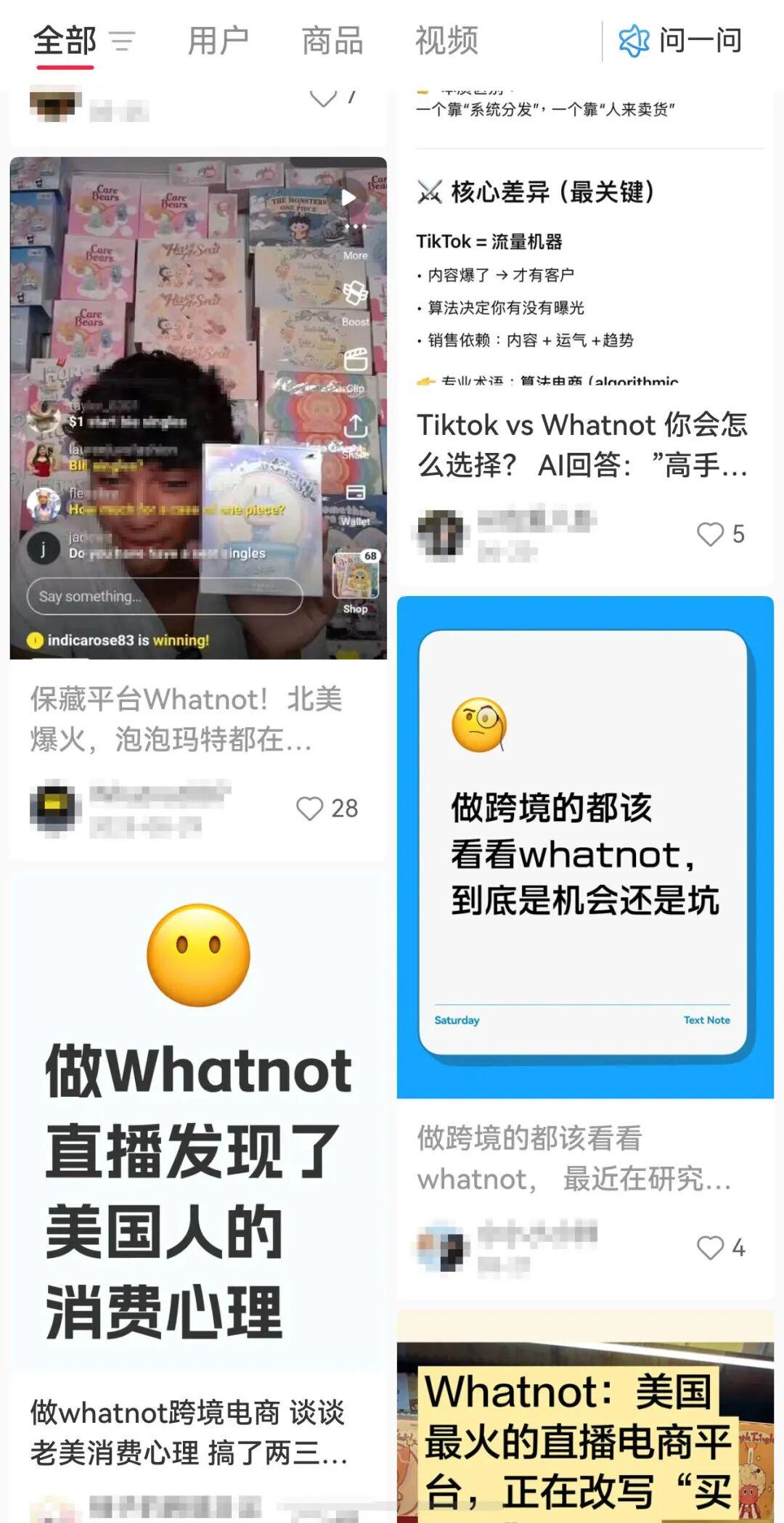
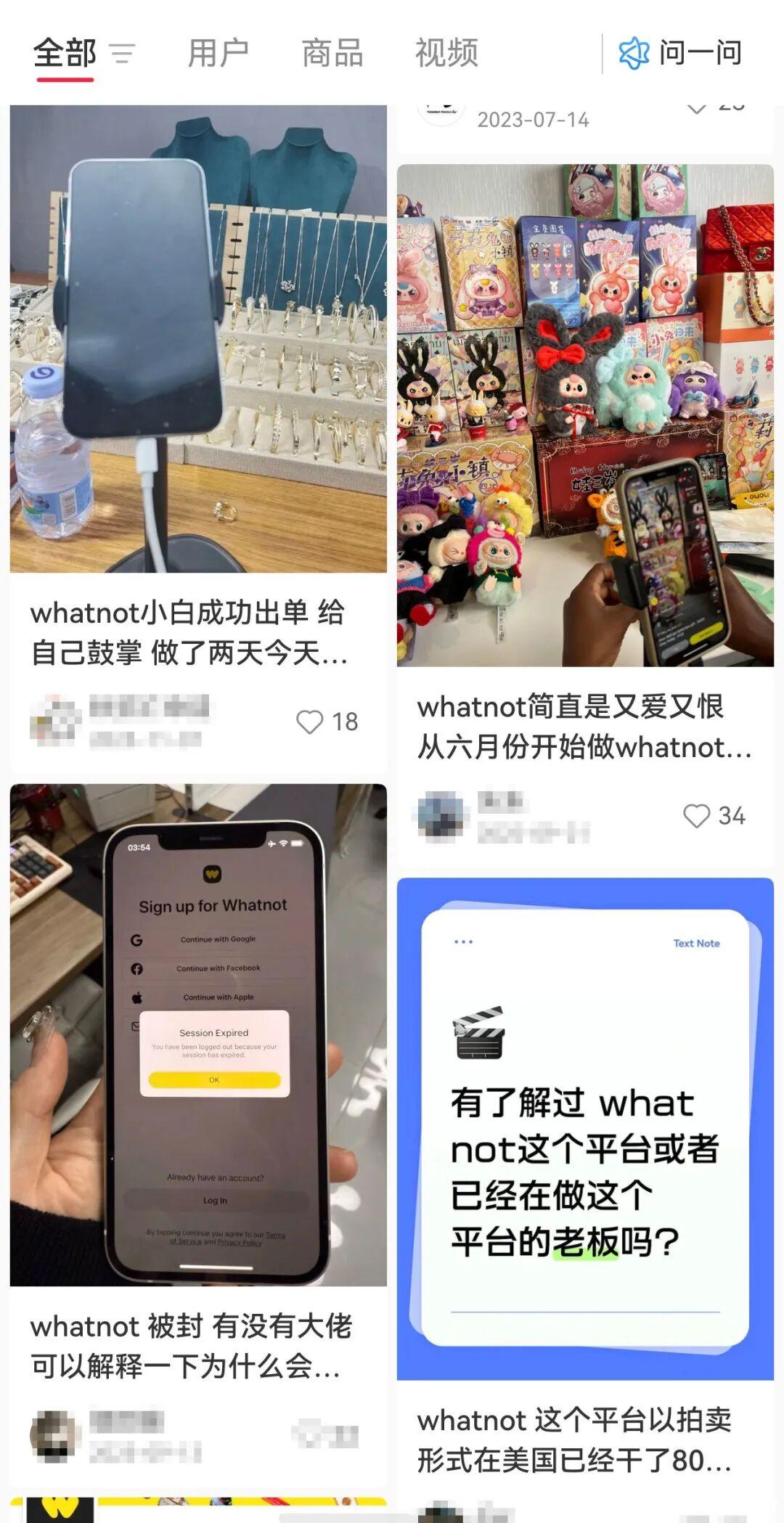
(Image: Xiaohongshu)
"Whatnot's monetization efficiency is quite high in many niche categories," admitted Emma, a jewelry seller on the platform. "Frankly, if you got in early and dared to stream products like high-quality replicas (in gray areas), a single host could generate over ten thousand dollars in a four-to-five-hour evening session."
Such ferocious selling power seems to confirm one thing: the auction model precisely hits the sweet spot of American "content taste." However, this path wasn't built overnight. A group of pioneers has been experimenting and learning through trial and error for years. As early as around 2021, a wave of live-streaming e-commerce platforms emerged in the US—NTWRK, ShopShops, Popshop Live, HSN Shopping App... Some were backed by TV networks, others were startups, including those founded by Chinese entrepreneurs.
These live commerce platforms were highly similar: focused on vertical niches, targeting younger demographics and trendsetters more receptive to novel shopping methods. Their long-term strategies invariably involved cultivating user habits from a small entry point before aiming for a larger market. However, after years of market shakeout, the vast majority have been washed away by the tide. Ultimately, only Whatnot, known for its auction model, has thrived. Now, with TikTok Shop launching its auction feature, it undoubtedly forms a new force.
"It's not that the old live commerce strategies were bad, but compared to Whatnot's auction gameplay, they were too slow to show results," Emma admitted. "Now, TikTok entering at the right time isn't too late. The user mindset and ecosystem resources it has accumulated in live commerce remain its strengths."
Based on observations in her own live streams, she noted a subtle shift: Many tactics used by Chinese sellers in the past, when placed in the more structured, fixed-process, meticulously prepared live stream rooms, often felt out of place and were frequently mocked by Americans on Reddit as "exaggerated, abstract, and trying too hard." But once the inherently dramatic gameplay of auctions was added, the situation changed. Scripts like "reluctantly smashing a Jianzhan tea bowl" or "parting with a beloved item" not only helped hype bids and atmosphere but also gained a certain "plausibility," making them seem more acceptable.
More crucially, the auction model pulls the live stream room out of the vicious cycle of competing for the "lowest price online," making customers order in a frenzy and willingly pay a premium. Because at the moment users pay, they're not just buying the product itself, but the feeling of "I won it," "I gambled and won," "I have clout"—when emotional value is delivered, who nitpicks over price?
A real case offers a glimpse into this "pleasure-driven consumption": A seller revealed that a regular customer bid nearly $100 in a live stream for a vintage brooch originally priced at $35. The seller offered to refund the price difference, but the customer flatly refused. The reason was straightforward yet somewhat absurd—she didn't want people to think her splurging was just "showing off."

Live Auctions Bloom Everywhere, But 'Standard Playbooks' Vary
While making money through auctions is a consensus, in practice, sellers employ different strategies. After communicating with multiple sellers, Ebrun found that current live stream rooms centered on auctions roughly follow three models:
1. Being a 'Mercenary.' This approach follows the influencer live stream path: after setting up the product carousel, selecting products from the affiliate network, contacting sellers for samples, and earning commissions (typically negotiated to 20%-30%). Kevin, a TikTok Shop US seller, analyzed that this model is extremely stable, with minimal risk of store bans or product violations. "But ultimately, it's hard-earned money, with limited freedom in product selection and relatively fixed premium margins."
2. Direct Shipping Store (Zero Inventory Model). No need for overseas stock; products are shipped directly via air freight in small packages. Against the backdrop of high shipping costs and other platform fees, overall costs are higher. Therefore, under this model, product selection has one hard rule: profit margins must be substantial enough.
"For the auction model, which requires a high volume of new SKUs, diverse products, and scarce, high-value small items, the direct shipping store is undoubtedly the best fit, with lower overall costs and risks," James Chen noted. "But one issue is the platform's recent trend of rapidly tightening permissions for direct shipping stores." He revealed that the threshold for "securing" a direct shipping store has been raised, requiring at least $60,000 in monthly sales to qualify for negotiations with platform managers to retain the status. "Many sellers have lost their qualifications this year, and some are even offering hefty sums to acquire direct shipping stores."
3. Overseas Warehouse Stocking, this is the "mainstream" approach heavily promoted by TikTok Shop.
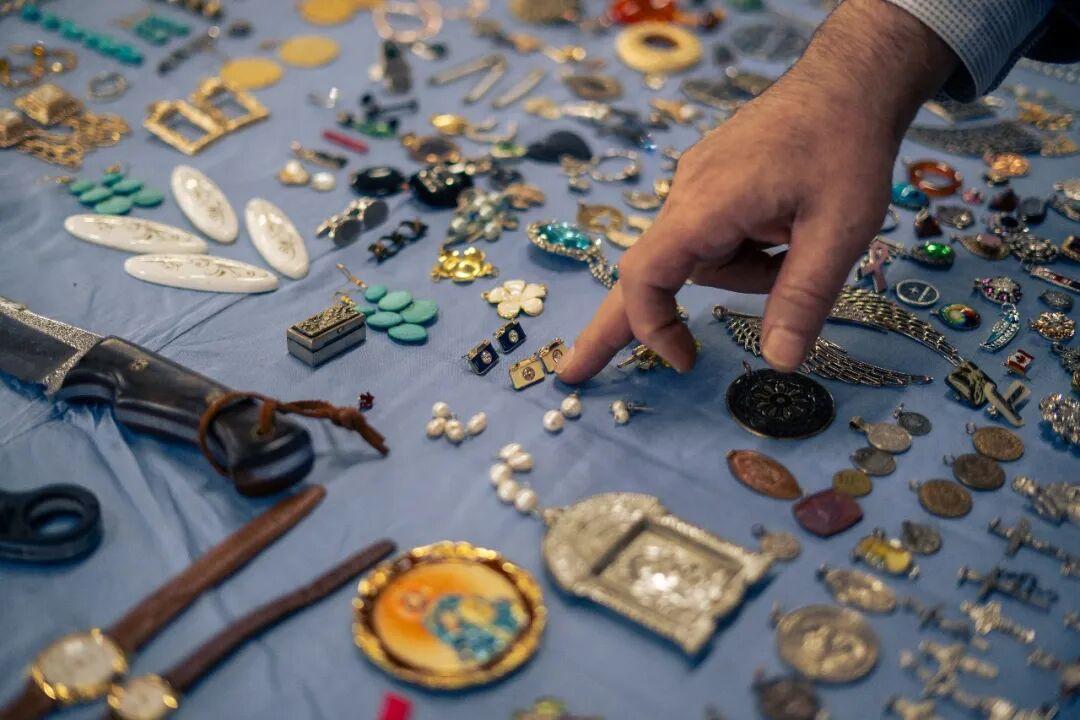
Beyond selecting products themselves and replenishing stock in small, frequent batches, some sellers who have found their footing overseas have discovered a "shortcut"—directly sourcing from overseas liquidation pallets. "You can pick up an entire pallet from an overseas warehouse for maybe $200 to $300," Kevin described. "It's piled with 500 to 1000 kilograms of various miscellaneous goods, all leftover inventory or overstock from big sellers. It's very cheap and has one characteristic—random and diverse. These goods are practically tailor-made for auctions, almost a risk-free profit."
Ultimately, the choice of strategy and desired outcomes are closely tied to a seller's product selection direction and team resources.
Currently, sellers who use auctions as a traffic lever, inventory clearance channel, or product testing gauge are perhaps more common than those fully committing to auction-only "special sessions." For example, starting a stream with a few auction rounds to gather momentum, interspersing auction segments in regular live streams to boost interaction, or introducing auctions when traffic peaks to extend user watch time—for sellers, auctions are more like a convenient and flexible auxiliary tool.
"Not all sellers can use auctions as their primary conversion channel," explained seller Olivia. Categories like trading cards, collectible toys, jewelry, handicrafts, second-hand luxury, trendy sneakers, and vintage clothing are naturally suited for live auctions. Streams can be entirely auction-based, and consumers are receptive. Due to low price transparency, room for premiums, and active secondary markets, auctions can rapidly accelerate order flow and often fetch ideal prices.
However, if the product portfolio consists mainly of standardized items like 3C electronics and small appliances, relying solely on auctions to sustain an entire live stream isn't realistic. These standardized products lack scarcity and bargaining power; consumers entering auctions are more likely looking for bargains. "Either it has scarcity and buzz, or it's high-value-for-money for clearing inventory. There's no middle ground," Olivia stated bluntly. "For standardized categories and brand-oriented sellers with clear pricing systems, it's best to treat the auction feature as a 'bonus' to attract customers, not the main course—don't be stingy with discounts, but don't let it overshadow the core offering."
How to strike this balance? She offered two suggestions:
First, adopt a "holistic mindset." As long as the overall profitability and interaction metrics for the entire live stream meet targets, there's no need to lose sleep over losses on one or two traffic-driving auction items.
Second, maintain clear "separation"—either clearly distinguish between live auction items and regular shelf listings or simply offer "auction-exclusive products." Never let auction prices disrupt the original pricing anchor.

Two Ecosystems, Two Directions
Some say that Whatnot's previous small-scale explosion prepared a "seller reserve team" familiar with the gameplay for TikTok Shop's live auctions. However, trying to succeed on both TikTok Shop and Whatnot isn't easy—the two platforms have vastly different DNA and user profiles.
Some sellers point out that compared to TikTok Shop's more "outward-looking" strategy, which encourages sellers to scale quickly, replicate successful tactics, and expand rapidly, Whatnot adheres to a more "inward-looking and conservative" logic.
"To some extent, Whatnot's expansion pace and governance policies have a somewhat protectionist, small-scale conservative flavor," noted David, a seller who does live auctions on both Whatnot and TikTok Shop. This emphasis on conservatism, customer base purification, and purchasing power focus has slowed Whatnot's growth but aligns perfectly with its strategic positioning of "serving US local sellers and deepening local communities."
Before the influx of Chinese sellers, the platform's native sellers were exclusively seasoned players who had cut their teeth in eBay or Instagram collectible communities or local housewives selling second-hand items—genuine "small-time American businesspeople." Consequently, from the start, Whatnot has been relatively friendly to small and medium-sized merchants with limited capital and risk aversion, using specific traffic-pushing mechanisms and customer ecosystem building to reduce the difficulty of launching new stores and ensure profit stability.
"If you're a solo small seller, no team, but want to see money immediately, require an extremely short payback period, can't bear even the slightest risk of loss, and just want a steady, reliable livelihood—then choose Whatnot," David said. "With luck, you can get an account running in three days; but don't expect to get huge in such a shallow pond."
TikTok Shop, on the other hand, points to a battlefield with greater imaginative potential, more suited for mature teams to scale and compete. Here, you can quickly validate business models, expand store inventory, and build a matrix. However, its operational barriers are higher, placing more emphasis on professional management. "You need at least a team of five or more, and they need to be veterans familiar with live-streaming commerce," David stated bluntly.
The creator profiles on the two platforms also differ significantly. Analysts point out that while TikTok's creator network is vast, there are currently not many hosts specializing in auction scenarios and deeply cultivating a specific category. The majority follow a general product promotion path or at most loosely focus on a broad primary category. Many hosts on Whatnot are collectors or category experts themselves: a third-generation family-owned coin shop owner, a competitive trading card tournament player, an authoritative "opinion leader" in a collecting community—these individuals are naturally living advertisements for their own businesses.

Although the live auction model is still nascent and competition is far from reaching a "knife-fight" stage, discussions often arise in seller circles about whether TikTok Shop's aggressive push can allow "two tigers on one mountain." In response, many Whatnot sellers say they've already felt a "chill."
"It's hard to say if it's really due to TikTok Shop's impact, but I do feel business has been tougher in the last quarter. Conversion rates are dropping, and many veteran hosts on Whatnot have been poached, driving up labor costs," one said. Others noted that due to Whatnot's conservative platform strategy, its shortcomings in infrastructure are becoming more apparent. For instance, the lack of an official logistics backbone often exposes blind spots in fulfillment. "For example, Whatnot orders didn't support consolidated shipping for a long time—yet collectible consumers often win dozens of bids in a row, making unified packaging impossible."
Despite these shortcomings, the chasm between the two platforms, defined by consumer culture and user ecosystems, seems destined to make them more like two asymptotes approaching but never fully overlapping.
"Their foundations aren't even on the same dimension," Steve pointed out. "Although Whatnot started with auctions, what truly allowed it to survive and take root wasn't gameplay innovation, but community culture." Large numbers of users spend all day in live streams; shopping isn't the direct goal. Chatting, making friends, exchanging information, and enjoying the atmosphere are the core appeals. Their purchases are naturally catalyzed by player circles and familiar social interactions. "Another fan asked to meet me offline today... I really want to meet them, they're super, super nice," a Whatnot seller might record in their experience.
"Whatnot's model is similar to a community flea market, while TikTok Shop's live auctions are more like a special form of flash sale. The live stream atmosphere is different, and the core user profiles are completely different," another seller added.
"(On the live auction track) TikTok Shop is a big lake; Whatnot is a pond," a seller summarized in a Whatnot discussion group. "If you want to sail far and trawl a large area, choose the former. If you just want to stay afloat and enjoy some leisurely angling, choose the latter."
Ebrun will continue to track and report on this development. To learn more information related to this article, please scan the QR code to follow the author on WeChat.

[Copyright Notice] Ebrun advocates respecting and protecting intellectual property rights. Without permission, no one is allowed to copy, reproduce, or use the content of this website in any other way. If any copyright issues are found in the articles on this website, please provide copyright questions, identification, proof of copyright, contact information, etc. and send an email to run@ebrun.com. We will communicate and handle it in a timely manner.
Translated by AI. Feedback: run@ebrun.com