
Observations from the Ningbo Cross-Border E-commerce Expo: Are 3,000 Factories All Betting on the Same Thing?
[Ebrun Original] 'Product selection determines the game. I came all the way from Sichuan to Ningbo for this exhibition.' Early on the morning of May 27th, a number of merchants were already gathered at the entrance of the Ningbo International Conference and Exhibition Center, chatting about the purpose of their trip.
Known as the 'Premier Cross-Border Exhibition in East China,' the Ningbo Cross-Border E-commerce Expo focuses on three major services: product selection, procurement, and transformation. This year, it has been upgraded with a 'dual-venue' format, held simultaneously in Ningbo and Yuyao. The total exhibition area across both venues has exceeded 90,000 square meters, featuring 13 major exhibition halls and bringing together over 3,000 foreign trade factories from various high-quality industrial clusters across China, along with various platforms and service providers.
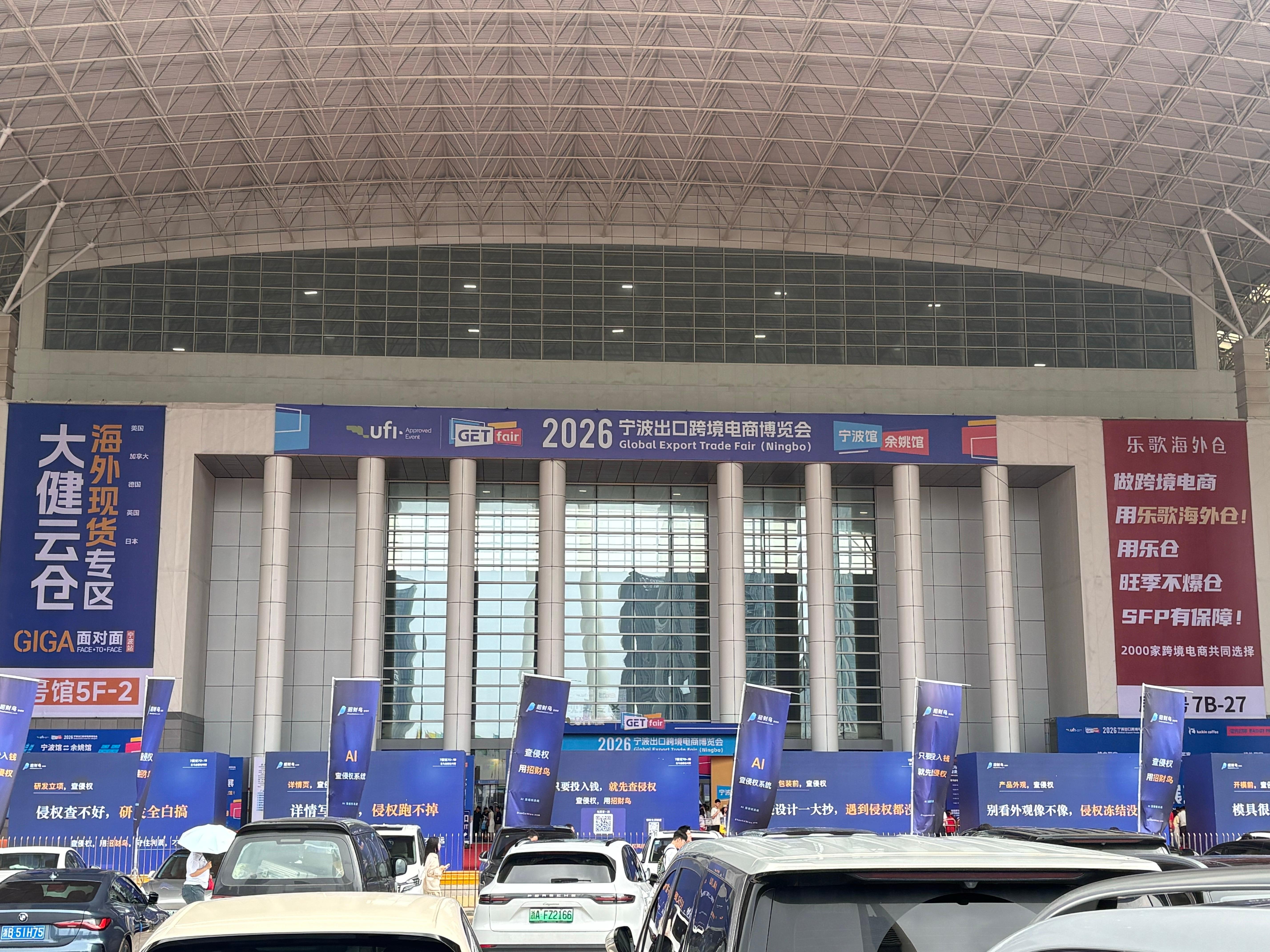
Located on the coast of the East China Sea, Ningbo has a strong foreign trade heritage, often described as 'one in every four people is involved in foreign trade.' Over the past few decades, Ningbo has developed advantageous industrial clusters in small household appliances, home furnishings, automotive and motorcycle parts, among others. Today, Ningbo is promoting the transformation of traditional foreign trade into new business formats and models through the 'cross-border e-commerce + industrial cluster' approach.
In 2025, Ningbo's cross-border e-commerce export value from special customs supervision areas had already secured the top spot nationwide, reaching 5.99 billion yuan. Leveraging its triple advantages of a 'world-class port, trillion-yuan industrial clusters, and a hub for institutional innovation,' the city has transformed into a core hub for China's cross-border e-commerce and a veritable 'cross-border e-commerce city.'
The Cross-Border Expo, which began in 2021, is playing the role of a transformation 'catalyst': it brings together industrial cluster factories, cross-border sellers, platforms, and service providers, offering a clear and visible path for the transformation of traditional foreign trade.
1. Launching New Products, Meeting Clients, Increasing Exposure
It is reported that over 83% of the exhibiting companies are original manufacturers. In conversations with exhibitors, it was evident that most factories primarily supply B2B clients, with only a minority operating their own cross-border e-commerce stores.
Xingtai Furike Bicycle is one such industrial cluster factory. Its staff stated, 'Currently, we have more traditional foreign trade clients. Cross-border e-commerce just fills a small gap for us. However, cross-border e-commerce clients require faster product updates. New products are usually first launched on cross-border platforms, which then drives our traditional trade.'
They brought a new electric bicycle launched less than a month ago to the expo. Its cool, black cyberpunk style attracted considerable attention from visitors. 'This is specifically designed for foreigners; it's quite fast and not suitable for use within China,' the staff explained.
It is understood that this new product was first showcased at the Shanghai Bicycle Show, with Ningbo Cross-Border Expo being its second stop. Its next destination will be other cross-border exhibitions in Shenzhen, the 'headquarters of cross-border e-commerce.'
They had another purpose for attending the expo: meeting local long-term clients. 'They've been asking for our goods. This was a good opportunity to bring the product and meet the clients.'
Besides meeting clients and showcasing new products, some manufacturers had a more straightforward goal for exhibiting. Staff from Shantou Pinchuan Culture Co., Ltd. said, 'We focus on domestic sales. Our cross-border business is handled by MINISO as our agent. We're here at the exhibition just for exposure.'
The Ningbo Cross-Border Expo's key categories are home furnishings and household appliances. The Ningbo venue covers categories such as home furnishings, pet and baby products, outdoor supplies, electronics and lighting, tools and automotive supplies, daily necessities and gifts, etc. The Yuyao venue focuses on household appliances and supporting products. Additionally, the expo attracted companies from various industrial clusters across China, including Xingtai (children's bicycles and bicycles), Taizhou (outdoor supplies), Jingdezhen (ceramics), as well as Yibin, Foshan, Suzhou, and more.
Home furnishings and household appliances are generally large and bulky items with high average order values and complex cross-border logistics. Some exhibitors mentioned that closing deals on-site is unlikely; the primary goal for sales staff is to communicate with potential clients and exchange contact information for future follow-up. One outdoor tent exhibitor even set up 'buy-and-get' combos for some products, offering a free mat with a tent purchase to encourage buyers to purchase samples, thereby increasing the potential for future conversions.
2. Overseas Stock Becomes Standard, Electrified & Smart Products Emerge
Another notable observation was the increasing frequency of 'overseas stock' in conversations between buyers and exhibitors, as well as in the exhibition setup itself.
This year's expo specially set up a Dajianyun Overseas Stock Zone, where 56 suppliers showcased over 300 products available from overseas stock. Products in this zone covered living room furniture, bedroom furniture, outdoor and garden, office furniture, bathroom fixtures and building materials, tools and auto parts, among other categories. Stock has been pre-positioned in overseas warehouses in five core markets: the US, Japan, the UK, Germany, and Canada, enabling 'shipment upon order, local delivery.'
Many exhibition booths also clearly displayed signs indicating 'Overseas Stock' and 'Drop Shipping.' Furthermore, as home furnishings and appliances are large items, the high difficulty of logistics and transportation creates significant inventory pressure. Distributors and buyers also tend to prefer testing the waters with products already available in overseas warehouses.
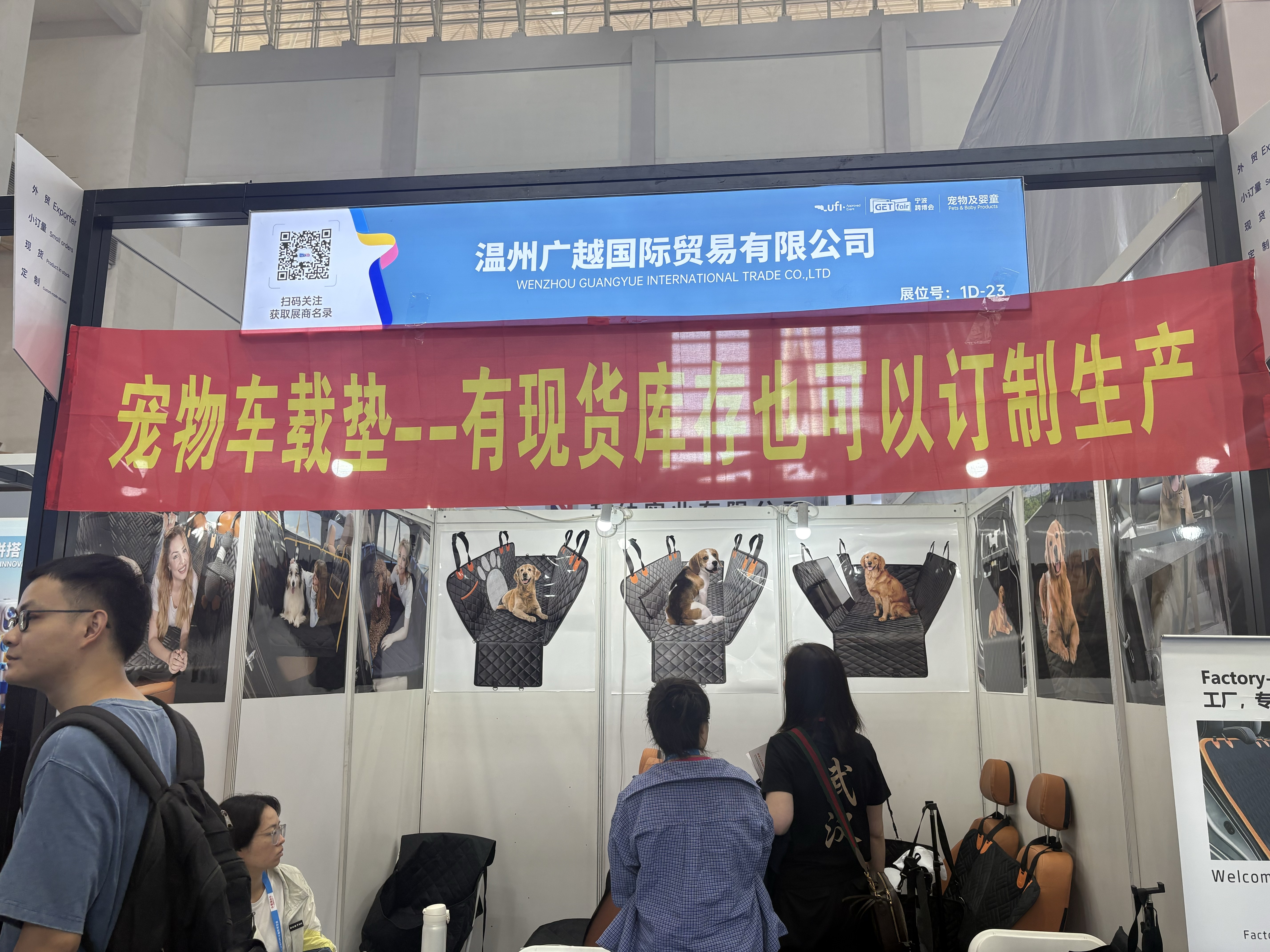
Following the US's cancellation of the de minimis $800 tax exemption last year, the EU, UK, Japan, and others have successively introduced similar policies. The consensus among merchants is that the era of relying on small-value, tax-exempt direct mail for cross-border is ending. Coupled with major cross-border platforms promoting semi-managed models, stocking goods in overseas warehouses is becoming a more mainstream model for going global.
The advantage of overseas stock might be even more pronounced in certain regions. Discussing the impact of the Middle East conflict on trade, a SHEIN business development representative said, 'Direct shipping can't reach there. Having stock ready means you immediately eliminate at least half of your competitors.'
Accompanying overseas stock is the trend of overseas factories. The shift of supply chains overseas is transitioning from a passive response to an active strategic layout, becoming an important part of Chinese companies' globalization strategy.
The Yuyao venue specially established an Overseas Factory Zone, showcasing local Yuyao home appliance enterprises that have already established production bases overseas. These companies have set up production plants in various locations globally, including Southeast Asia, Europe, and America, forming a global production capacity pattern of 'R&D in China, manufacturing overseas.'
Some companies also displayed their overseas factory layouts on their promotional banners. For example, the introduction for East Asia Sponge stated: 'East Asia Sponge has strong capabilities: five production bases in China, two production bases and logistics warehouses in the US, plus a newly added production base in Vietnam.'
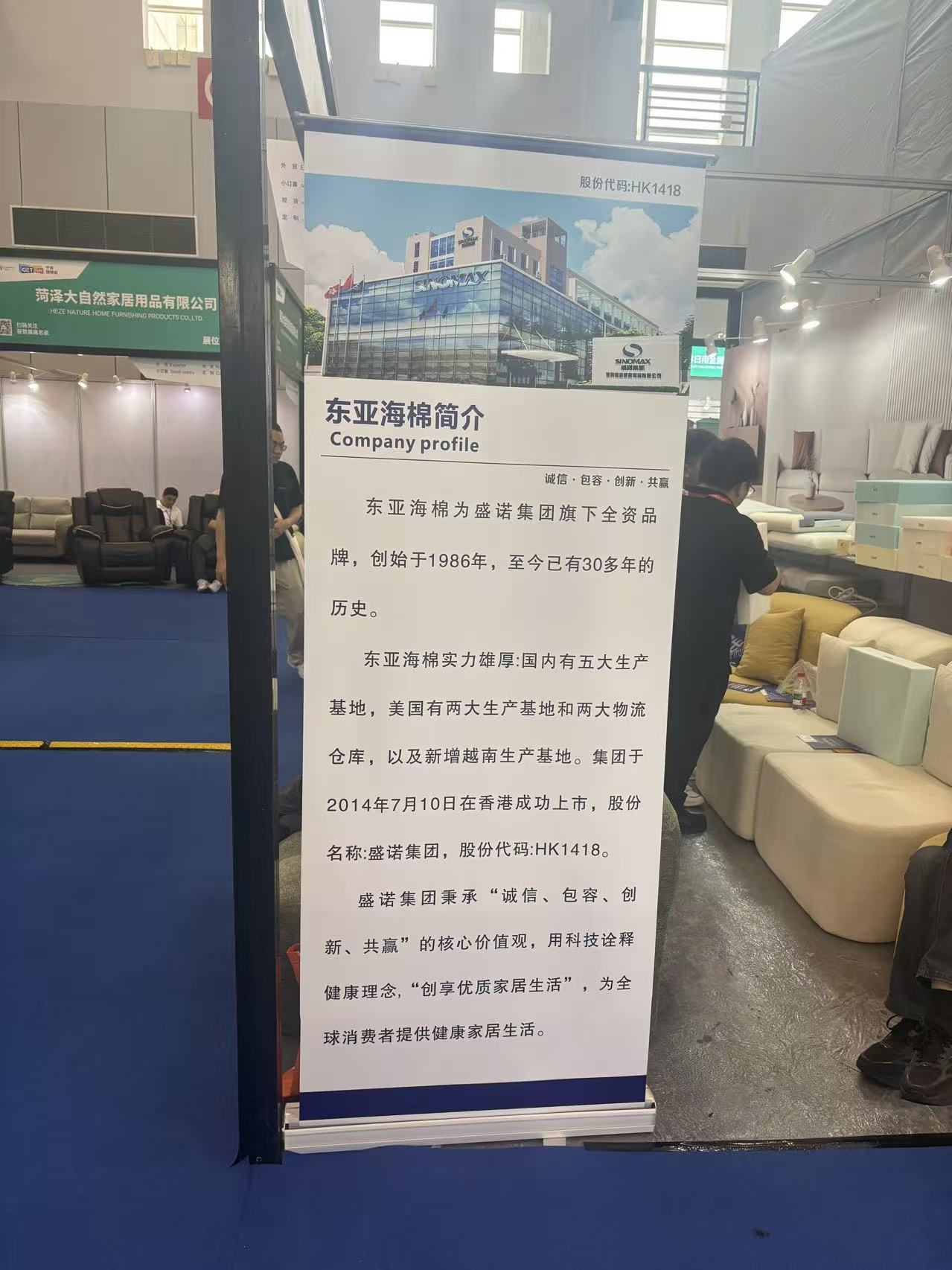
'We sell fairly well in the US because they commonly use sponge mattresses, which are cheaper and thrown away after use. Our mattresses are designed to last 10 or 20 years, mainly focusing on spring mattresses like Simmons,' a staff member from East Asia Sponge told Ebrun.
At their booth, East Asia Sponge displayed an electric sponge mattress that can adjust temperature via remote control, providing warmth in winter and cool air in summer, replacing the function of a traditional electric blanket. However, this mattress is a high-average-order-value product and does not align with overseas users' mattress usage habits; it is currently mainly sold in the domestic market.
We observed that more and more traditional product categories, like electric mattresses, are undergoing innovative upgrades through 'electrification' and smart features.
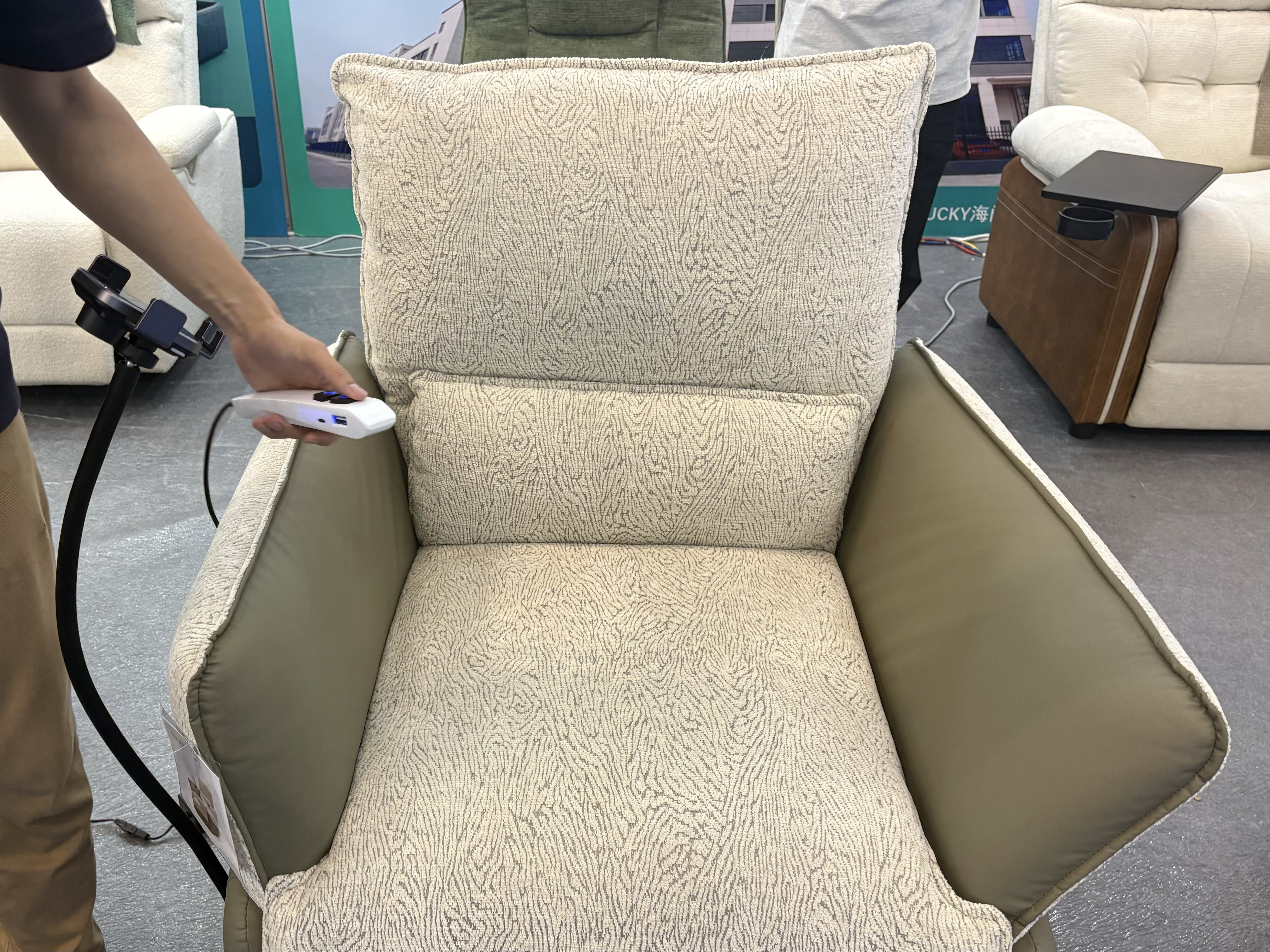
An electric sofa company exhibited sofas capable of multi-angle adjustment, featuring heating cup holders or wireless charging functions. According to their introduction, the company originally specialized in design but later added manufacturing at clients' request. They now have over 200 sofa styles.
Additionally, the pet category featured new products, with many exhibitors showcasing GPS pet trackers and ultrasonic dog trainers.
It is worth noting that in the daily necessities and gifts section, a 3D printing farm tucked away in a corner unexpectedly became a focal point, attracting many buyers for inquiries. The booth casually displayed 3D printed items like expandable toys, vases, handbags, etc., with printers operating in real-time nearby. Staff introduced that the company, founded less than a year ago, owns 3,000 printers and supplies e-commerce sellers on platforms like Amazon.
3. Platforms and Service Providers Exhibit Jointly, European Market Heat Rises
Jieyang Colorful Life Technology Co., Ltd., which specializes in multi-functional night lights, stated, 'Our products are relatively expensive. The factory price for one unit (a train-shaped night light) is 40 yuan. Only the European market can afford them.'
The European market was also a frequently heard keyword at the expo, with its popularity continuously rising. 'I want all sites, but Europe is the easiest to operate. In our backend data, the overall sales figures for Europe are higher,' said a SHEIN business development representative. A TikTok Shop business development manager also emphasized during a presentation that the European market would be a key focus this year, specifically sharing trend insights for the region.
This year, TikTok Shop's European market has undergone a new round of expansion. Following the gradual opening of sites in the UK, Spain, Germany, France, and Italy, on June 1, 2026, TikTok Shop Cross-Border E-commerce opened merchant applications for eight more countries: Poland, the Netherlands, Belgium, the Czech Republic, Austria, Greece, Portugal, and Hungary. After this expansion, TikTok Shop's European market network covers 13 countries.
Besides exhibiting factories, platforms and service providers are also indispensable players at the expo. This year, many service providers and platforms chose to exhibit jointly, sharing booths. Service providers can leverage the official endorsement of platforms, while platforms can rely on service providers to improve their service support systems.
It is reported that the expo gathered over 40 cross-border e-commerce platforms covering mainstream and emerging markets, including Amazon Global Selling, eBay, Wayfair, Mercado Libre, Coupang, OTTO, Made-in-China.com, Alibaba.com, Vente-unique, ManoMano, and others. Simultaneously, over 190 service companies brought full-chain solutions in logistics and warehousing, payment and settlement, digital marketing, compliance consulting, and more.
It is palpable that against the backdrop of increasingly fierce competition in mainstream markets and on mainstream platforms, emerging platforms are garnering more attention. With the Latin American market heating up, the booth of 'Latin America's top player,' Mercado Libre, was bustling with crowds. Previously, Mercado Libre announced a new round of fee reductions for sales and fulfillment, including varying degrees of cuts in sales commissions, commission premiums for Full warehouse products, and shipping fees for specific weight ranges, directly benefiting sellers.
The expo also featured many domestic trade merchants and factories. The Hong Kong e-commerce platform HKTVmall targeted merchants with Taobao/Tmall stores. 'We hope these product categories have already been tested in mainland China's Taobao/Tmall before being moved to the Hong Kong market for sales. We are currently focusing on recruiting consumer goods, such as home organization or household cleaning products,' its business development manager explained.
From product selection to overseas stockpiling, from product smartification to supply chain relocation, the Cross-Border Expo serves as an excellent window into China's cross-border e-commerce industry and foreign trade sector. It is undeniable that the window for foreign trade transformation is open, and the time left for bystanders is running out.
Ebrun will continue to track and report on this development. To learn more information related to this article, please scan the QR code to follow the author on WeChat.

[Copyright Notice] Ebrun advocates respecting and protecting intellectual property rights. Without permission, no one is allowed to copy, reproduce, or use the content of this website in any other way. If any copyright issues are found in the articles on this website, please provide copyright questions, identification, proof of copyright, contact information, etc. and send an email to run@ebrun.com. We will communicate and handle it in a timely manner.
Translated by AI. Feedback: run@ebrun.com