
Ling Universe Founder Gu Jiawei: Building AI Hardware That 'Doesn't Race for Speed'
When Ling Universe founder Gu Jiawei sat down for an interview with Liu Chen, CEO of the Horseshoe Club, his newly launched portable AI terminal, the 'Little Cube,' had just achieved sales exceeding 8,000 units in a live stream. Yet, behind this impressive performance, Gu Jiawei displayed not a pursuit of speed and scale, but a competitive philosophy rooted in long-termism. He candidly described himself as 'competition averse,' placing far greater faith in the underlying convergence direction of technology than in the fervor for short-term market trends.
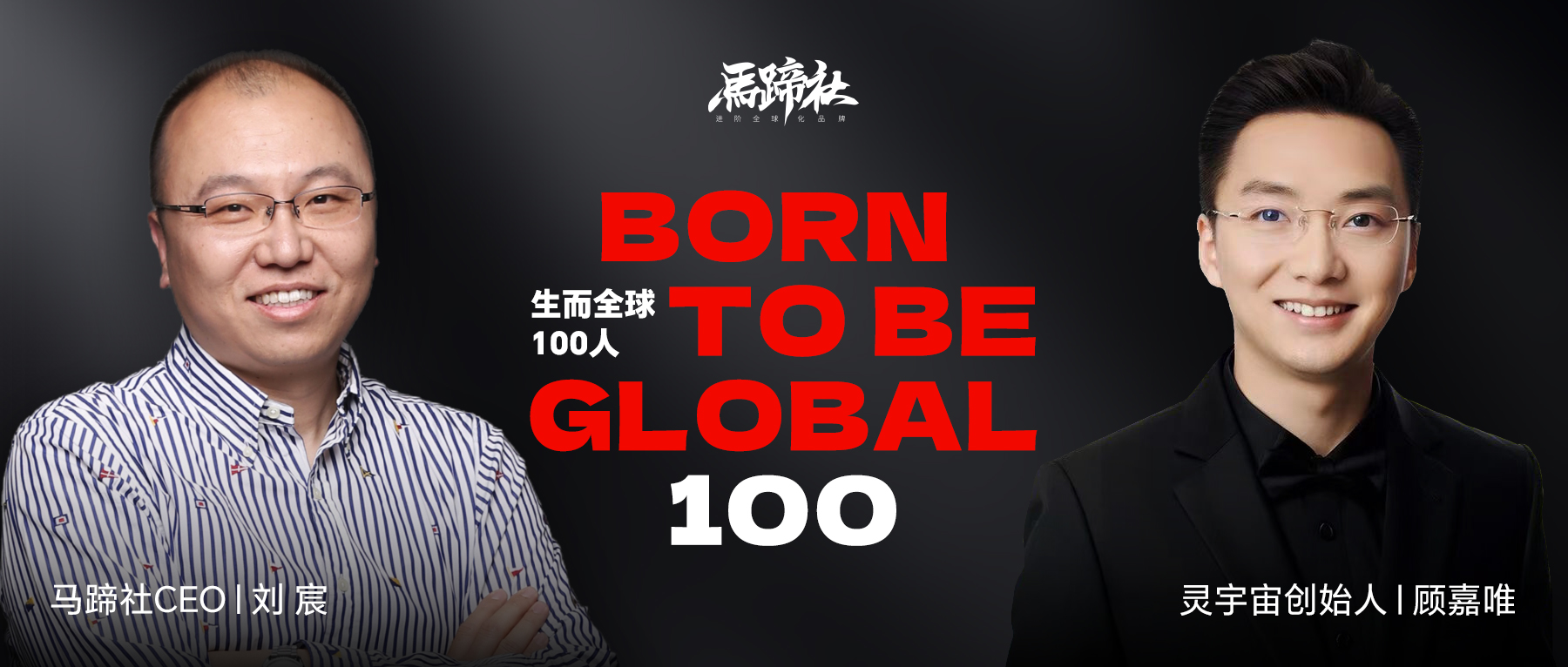
Facing the white-hot competition in the AI hardware space, Gu Jiawei's strategy is remarkably clear: avoid direct, hand-to-hand combat with peers at the hardware level, and instead focus all efforts on refining the underlying operating system named Ling OS. He likens hardware to the 'physical body,' while the Agent OS is the product's 'soul.' He believes the current form factor of hardware is far from converging, and betting all resources on a single form is a high-risk move. Conversely, an Agent OS that can be reused across different form factors—whether embedded in future glasses or robots—will become the core moat. To this end, over 80% of Ling Universe's R&D team is concentrated in software and algorithms.
This strategic resolve stems from his deep insight into the strengths and weaknesses of large corporations versus startups. Having worked at Microsoft and Baidu, Gu Jiawei understands the operational logic of tech giants: 'It's very easy for them to create a hardware demo leveraging their brand halo. But to bridge the gap from a lab prototype to mass-producing tens of millions of terminals, they must personally dive into the trenches—grinding through supply chain yield rates, controlling costs, and ensuring continuous supply. This heavy, detail-oriented, and arduous work is something large companies accustomed to high margins and asset-light models are unwilling to do.' This gap is precisely the space where startups can survive and thrive.
On the technical front, Gu Jiawei's confidence comes from a unique edge-cloud collaborative architecture. Devices like the Little Cube deploy lightweight intent inference models on the edge, capable of predicting user intent even before they finish speaking, proactively linking with cloud-based large models. This completely eliminates the traditional 'wait-process' latency model. This edge-side predictive capability is rooted in the massive trove of real interaction data accumulated from the Luka Storybook Robot he built earlier. This high-quality, multimodal scenario data forms the solid foundation for today's interaction architecture.
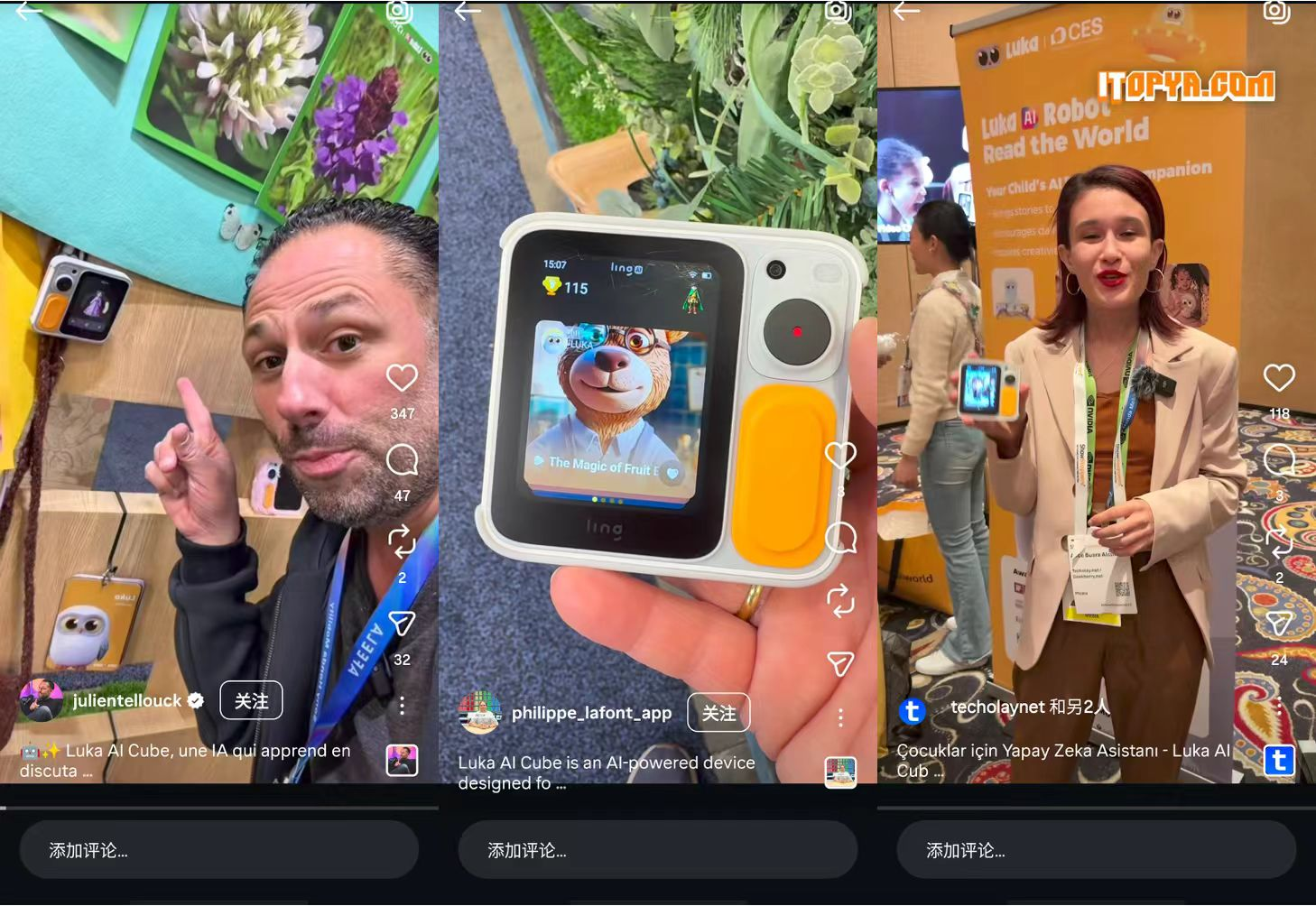
Having experienced the peaks and troughs of a previous entrepreneurial journey, Gu Jiawei's core strategy now is to ensure Ling Universe 'stays at the table.' He does not aim to be the fastest runner but is steadfastly choosing a more challenging, deeper-moat, long-term path. As he puts it, before the first iPhone, all manufacturers were engaged in cutthroat competition (or 'involution') over stylus designs on Windows Mobile, until Steve Jobs fundamentally changed the interaction paradigm. In the era of embodied intelligence, he is still patiently waiting for the product that truly possesses the power of technological convergence to emerge. (Original by Horseshoe Club / June 2026)
[Copyright Notice] Ebrun advocates respecting and protecting intellectual property rights. Without permission, no one is allowed to copy, reproduce, or use the content of this website in any other way. If any copyright issues are found in the articles on this website, please provide copyright questions, identification, proof of copyright, contact information, etc. and send an email to run@ebrun.com. We will communicate and handle it in a timely manner.
Translated by AI. Feedback: run@ebrun.com