
After Achieving a 91% CAGR, Ozon Sets a Goal to Double Cross-Border GMV This Year
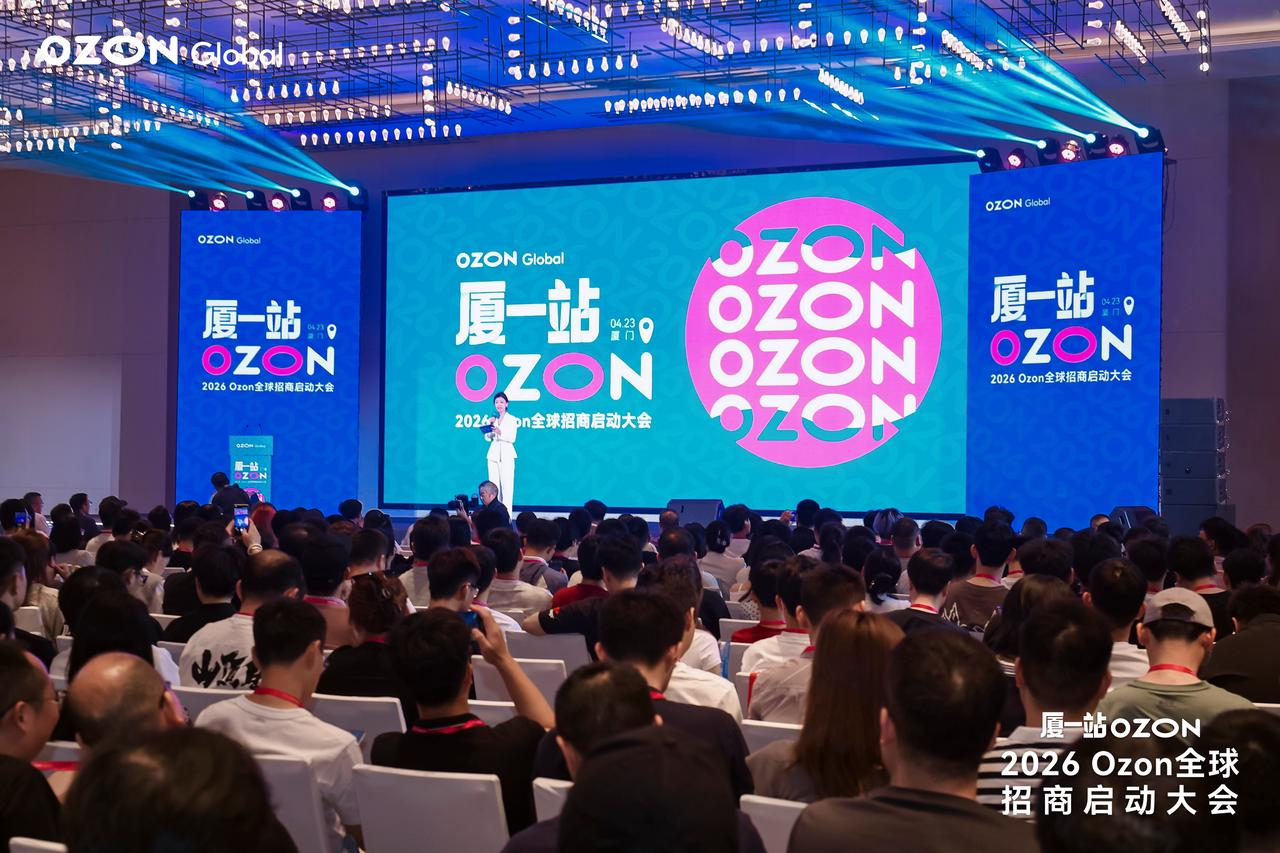
[Ebrun Original] April 24th, Beijing time - The 2026 Ozon Global Merchant Recruitment Launch Conference recently concluded successfully in Xiamen. The event attracted over 5,000 sellers for offline participation, with the venue filled to capacity. The platform set up an additional broadcast room to accommodate more on-site attendees. The simultaneous online livestream also garnered high engagement, with peak viewership nearing 8,000.
During the conference, the platform released several key latest figures: In 2025, Ozon maintained its strong growth momentum, achieving a full-year GMV of 4.16 trillion rubles, with cumulative delivered orders reaching 2.48 billion. The number of active buyers on the platform increased to 65.1 million, with buyers placing over 38 orders per year on average. More than 15 million highly engaged buyers placed orders weekly, exceeding 50 orders annually.
From 2017 to 2025, Ozon's Compound Annual Growth Rate (CAGR) reached an impressive 91%, consistently leading the Russian e-commerce market.
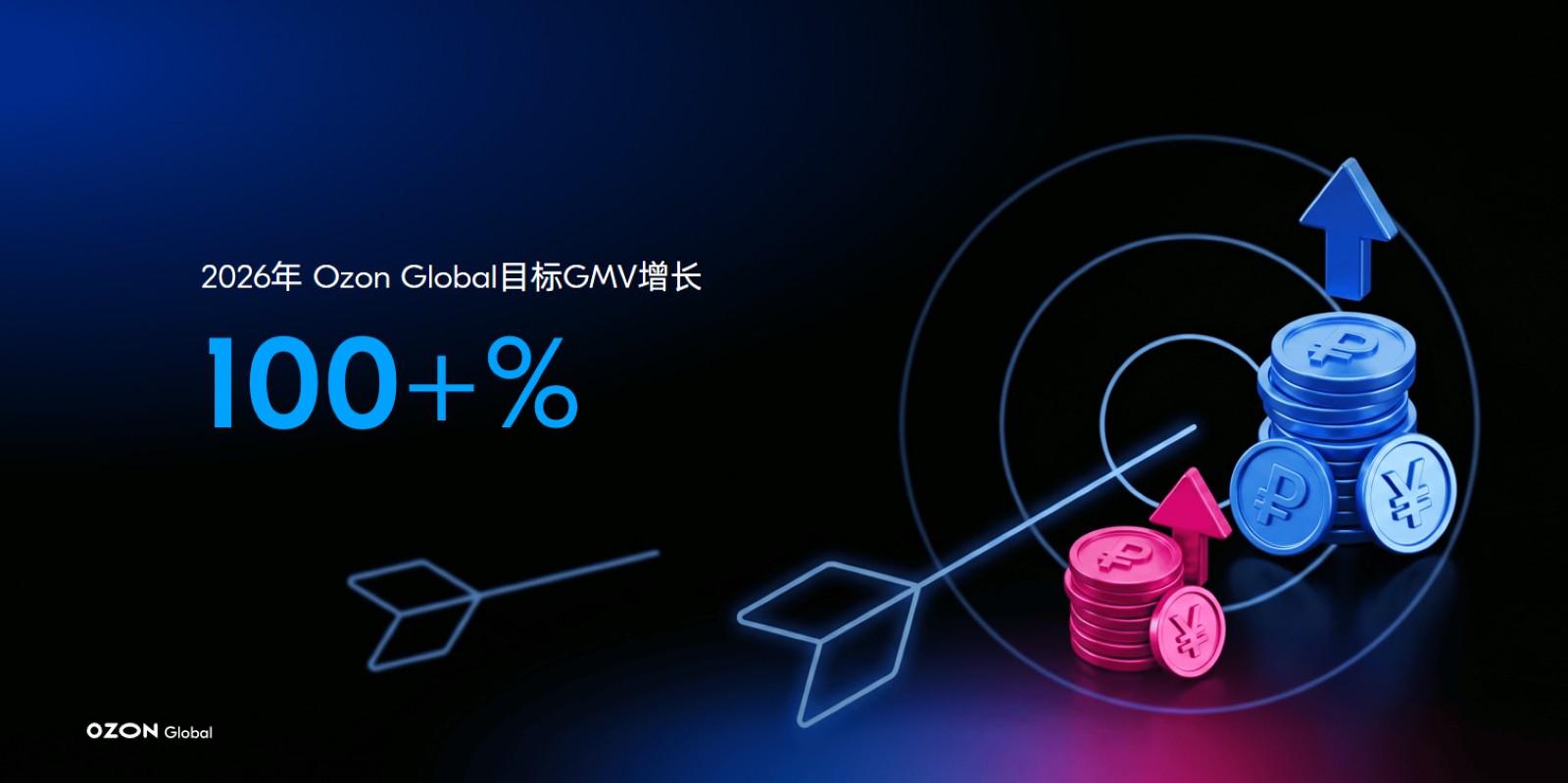
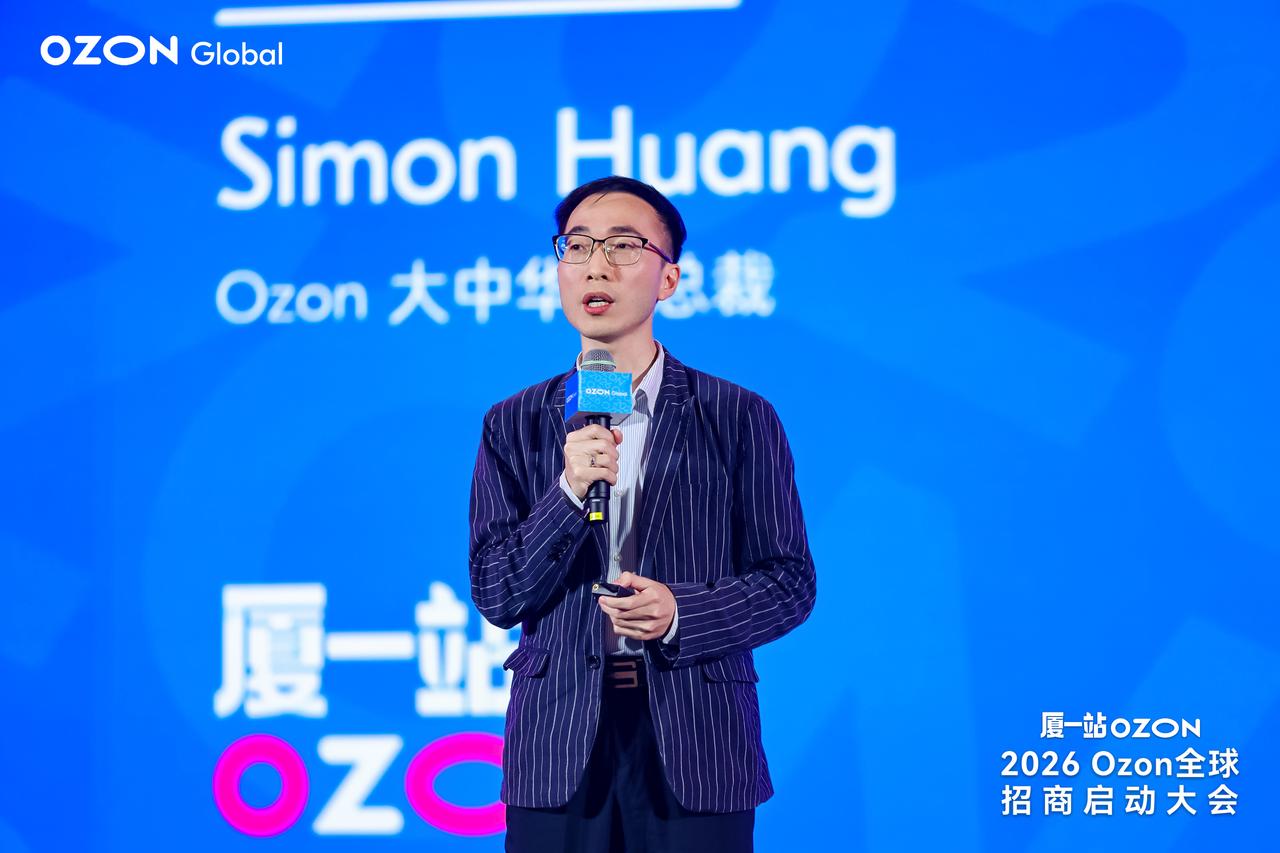
Simon Huang (Huang Xiao), President of Ozon Greater China, also unveiled the platform's ambitious growth plan for 2026: OZON Global aims to double its GMV and achieve a 100% increase in product sales under the cross-border shipping model.
"E-commerce in the CIS market has only just taken off in the past five years and is still in a phase of rapid development, harboring immense potential for growth and user dividends. The new Chinese sellers joining us each year are tapping into market increments, not competing in a saturated market," he stated. "Currently, the CIS market is the single fastest-growing e-commerce market among the world's major economies. Over the past year, we have witnessed a significant shift of sellers, who previously focused deeply on European and American markets, turning towards the Russian-speaking region."
Zero Deposit to Attract New Sellers, Billions in Subsidies, and Logistics Cost Reduction to Empower Mid-Tier Sellers
At this conference, Ozon systematically presented its long-term cooperative ecosystem surrounding all aspects of cross-border operations for Chinese sellers. Particularly regarding new seller onboarding, the platform has further optimized entry conditions, introducing a 'zero deposit, zero threshold' policy to effectively lower the startup costs for Chinese sellers.
Focusing on merchant growth, the platform will empower sellers from three key dimensions in 2026.
First, a localized training system. In 2026, Ozon will intensively conduct seller training services in China, offering monthly courses on various topics. These will cover product selection strategies, the latest data insights, analysis of consumer behavior changes, as well as platform advertising, promotions, and rule updates. The aim is to help sellers quickly familiarize themselves with platform rules and achieve efficient growth.
Second, logistics cost reduction and efficiency improvement. For mid-tier sellers, Ozon will further enhance its efforts on the logistics front this year. The platform has already invested significant resources in capacity integration and logistics infrastructure. The cost reductions resulting from economies of scale in logistics are expected to be significant in the second half of the year. Simultaneously, the platform will provide certain subsidies to tangibly reduce the burden on sellers.
Third, continued amplification of billions in subsidies. Last year, Ozon invested over 4 trillion rubles (approximately $550 billion USD) in consumer price subsidies, effectively returning most of the platform's profits to the market. This year, with continued GMV growth, the total subsidy amount will be further increased. The earlier mid-tier sellers enter the market, the more they can benefit from the dividends—due to higher accumulated link weight, they will also gain greater preferential advantages in subsidy allocation.
Focusing on Own Logistics Development, Peak Season Delivery Speed Improved by Over 30%
At the infrastructure level, Ozon continues to invest in building its own logistics system, constructing a complete logistics chain from warehousing and fulfillment, regional hubs, to last-mile delivery. It is continuously upgrading the FBP semi-managed model warehouse network system to help Chinese sellers reach the entire Russian market.
The latest data shows: As of the end of 2025, the company's total warehousing infrastructure area exceeded 5 million square meters, with daily product handling capacity at logistics facilities reaching 55 million items. While continuously expanding existing warehouse space, the platform is accelerating the construction of new fulfillment centers and has expanded its Pickup Point (PVZ) network to 84,000 locations, significantly enhancing overall regional fulfillment capabilities.
Addressing the long-standing delivery speed challenges for sellers in the Russian region, OZON has now self-built multiple warehouses at China-Russia border crossings and has become the first e-commerce platform with its own logistics customs clearance center. This layout has completely resolved customs clearance congestion issues during peak seasons, effectively improving logistics speed. The platform officially stated that delivery speed during peak seasons is expected to improve by over 30%.
For low to medium average order value (AOV) products, Ozon officials introduced the 'Small Items, Fast Delivery' strategy for lightweight and small items at the conference, providing more suitable logistics solutions to support sellers in reaching Russian-speaking consumers with high timeliness.
Last December, at the Chinese Seller Summit, OZON launched a 'Localized Resale of Returned Goods' solution, relying on local warehouses to help sellers receive returns and facilitate secondary order redirection.
At this conference, Huang Xiao revealed the latest progress of this project: it is still in the testing phase, but the hope is that this solution can be fully opened to all Chinese sellers in the second half of the year. Based on test data, compared to previous methods, this solution has already addressed many pain points, showing significant improvements in lost package tracking, inventory counting and compensation, information transparency, while also greatly enhancing the timeliness of secondary redirections.
Furthermore, regarding the needs of cross-border store merchants for overseas stock preparation and local fulfillment, Huang Xiao stated that OZON is researching related solutions, but there are no specific details to announce at this time.
"The Russian and CIS markets are in a critical stage of rapid e-commerce development. Platform-based e-commerce has become the main channel for many consumers to access a wide variety of categories, and Ozon has deeply integrated into their daily lives," Huang Xiao pointed out. "We will continue to strengthen ecosystem capability building, building a bridge between 'Made in China' and consumer demand in the Russian-speaking region. Through more complete infrastructure networks and more efficient fulfillment capabilities, we will assist Chinese sellers in achieving stable growth in the Russian-speaking market."
Non-Standard Categories Show Rapid Growth, Platform Encourages Seller Branding and Category Focus
Focusing on category development, Huang Xiao noted that OZON is committed to recruiting merchants across all categories, with each category showing rapid growth. However, among them, sellers in non-standard categories have shown the most outstanding growth rate in the past year. Specifically, in terms of the number of SKUs created, non-standard categories such as apparel, beauty, home goods, maternal & child, and children's toys have grown the fastest.
Simultaneously, branded enterprises are continuously emerging on the platform.
It is reported that to improve product quality and sales velocity, the platform has initiated a mechanism for dynamically cleaning up product listings: product listings with no sales activity in the past 90 days are automatically hidden. This measure pushes sellers to continuously improve their product selection capabilities and sales velocity—only products with sales activity have their listings visible to consumers. "Sellers have responded positively to this, sparing no effort in refined product selection and promotion," Huang Xiao commented.
"Regarding branding, more and more sellers are starting to invest in marketing budgets, refine product packaging, and gradually develop the need to build their own brands."
As of now, the Ozon platform has 65.1 million active buyers, over 400 million total products covering more than 20 categories, and over 750,000 active sellers, with Chinese sellers accounting for more than 20%.
Beyond Russia, the Ozon platform has expanded to Kazakhstan, Armenia, Belarus, Kyrgyzstan, Uzbekistan, Azerbaijan, Georgia, Turkmenistan, and other countries.
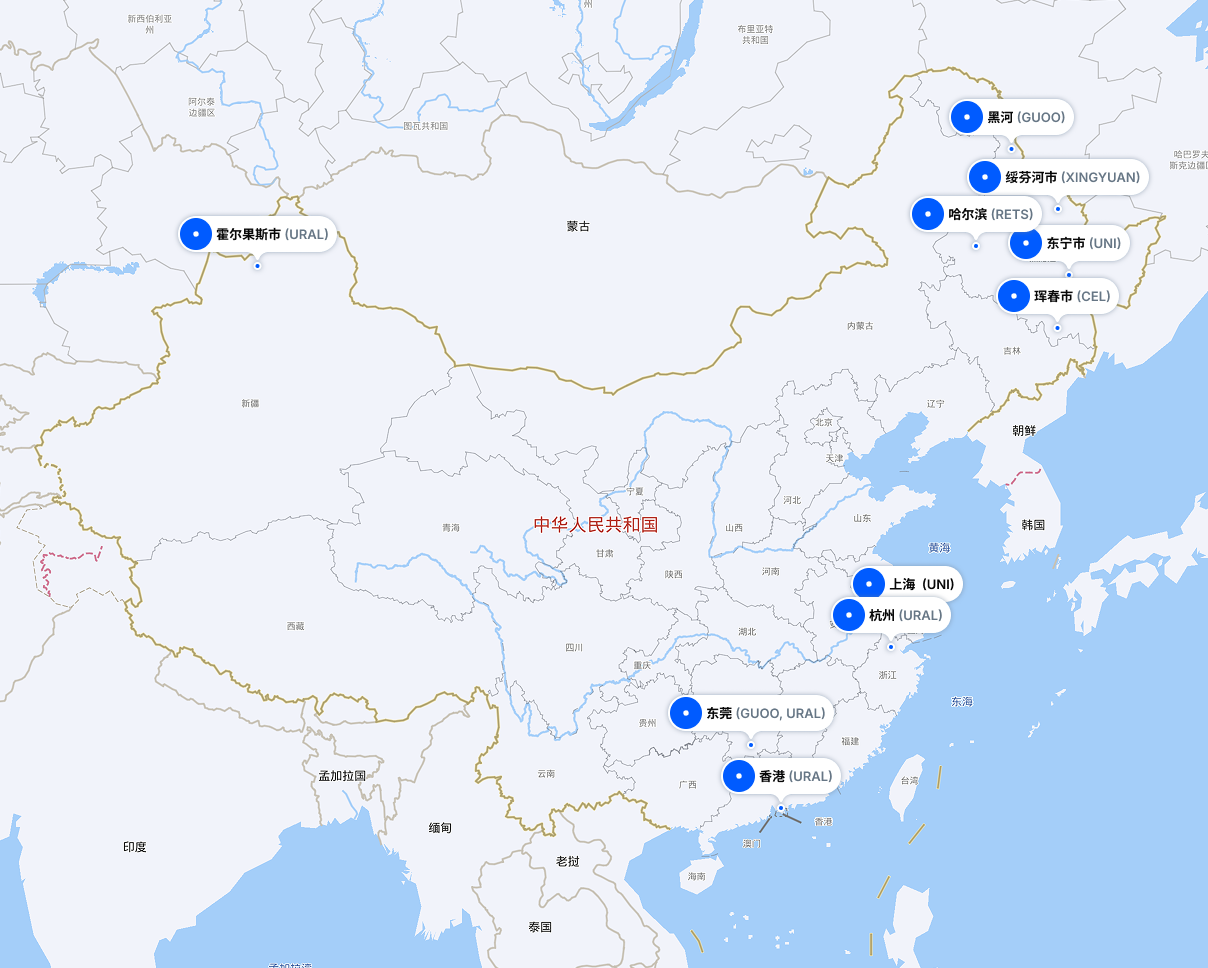
Ozon Global began its layout in China starting in 2022 and currently has three offices in China, located in Shenzhen, Hangzhou, and Zhuhai, providing full-chain support for Chinese cross-border sellers entering the CIS market.
Ebrun will continue to track and report on this information. To learn more details related to this article, please scan the QR code to follow the author on WeChat.

[Copyright Notice] Ebrun advocates respecting and protecting intellectual property rights. Without permission, no one is allowed to copy, reproduce, or use the content of this website in any other way. If any copyright issues are found in the articles on this website, please provide copyright questions, identification, proof of copyright, contact information, etc. and send an email to run@ebrun.com. We will communicate and handle it in a timely manner.
Translated by AI. Feedback: run@ebrun.com